



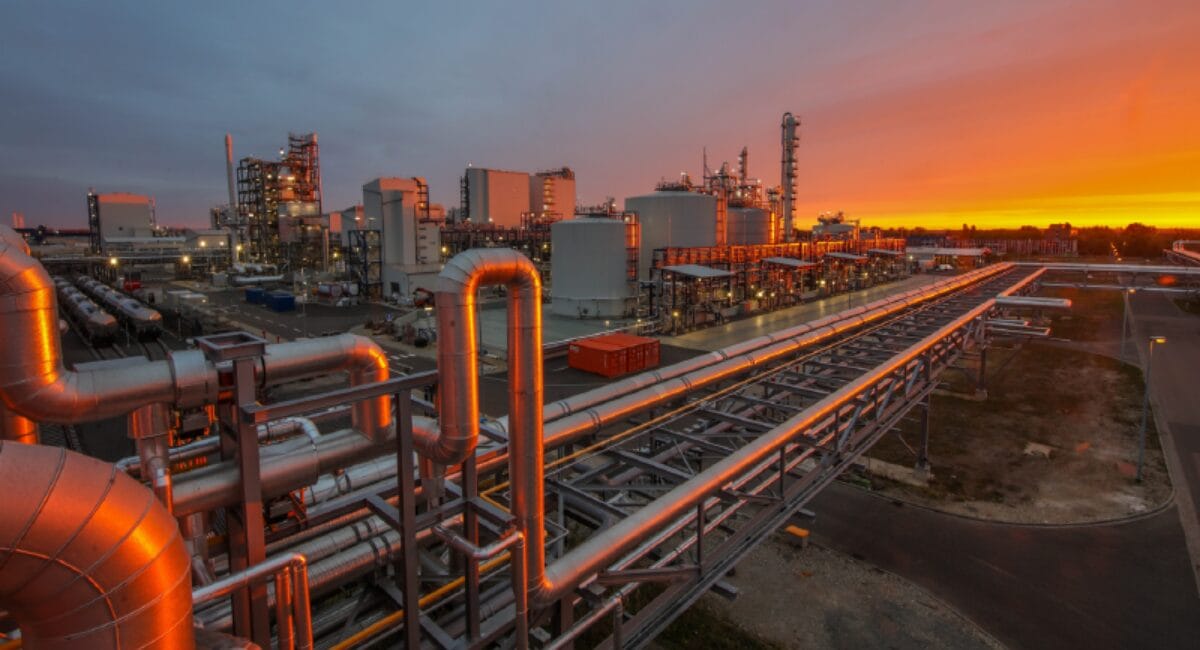
On October 16, UPM officially opened the biorefinery in Leuna. Twelve days later, in the interim report for the third quarter, the restriction follows: The integrated production of the plant will not start as planned at the end of 2026, but only in the second quarter of 2027. The nominal capacity is expected to be reached in early 2028. For packaging manufacturers and brand retailers planning to use the wood-based chemicals from Leuna, this means that the time frame for the plant to be able to deliver on an industrial scale is being shifted by about half a year.
The reason is the third and final of the three core processes: the conversion of sugars into glycols. Upon its commissioning, specific changes were identified that were necessary, it says in the report. Report. UPM is not disclosing which ones are affected and what the costs are. For the second half of the year, the company expects the increase in production to moderately increase costs.
Two out of three processes are running
The delay does not affect the entire plant. The enzymatic hydrolysis that produces industrial sugar and lignin from hardwood is in operation; lignin is already being processed into specialty chemicals. For the Renewable Functional Fillers, wood-based fillers for rubber and plastic applications, UPM has reached production maturity, and qualification quantities for customers are expected to begin in the fourth quarter. This means that two of the three core processes have been tested and are in production.

What is missing is the process step with the greatest significance for the packaging industry. The sugars are to be converted into monoethyleneglycol and monopropyleneglycol. Bio-MEG is a building block for PET, which can thus be produced partly from wood instead of from petroleum, without any change in the material or its recyclability. This very same strand is now only available in 2027.
What the system is intended to do
The biorefinery, with approximately 1.37 billion euros, is the largest single investment in UPM’s history and, according to the company, is the first facility in the world to process wood on an industrial scale into biochemicals. The capacity is 220,000 tons per year, with the raw material being clear-cut and sawed timber from a radius of about 200 kilometers. About the opening has reported in packaging journal.
Leuna is the most concrete answer to the question of whether bio-based drop-in chemicals for packaging will become available in significant quantities. The delay does not change that fundamental fact, but it does push back the time when manufacturers can expect to be able to use these in significant quantities and at affordable prices. And it shows that the transition from pilot to industrial scale for new processes is rarely successful without some work on the ground.
Difficult quarter for the company
The adjustment comes in a quarter that UPM itself described as challenging. Comparable operating profit in the continued operations fell by eight percent to 131 million euros, while revenue rose slightly to 2.2 billion euros. The company cited factors such as the reduction of inventory at customers and increased variable costs. At the Kaukas and Pietarsaari pulp mills, UPM is reducing production, while overcapacity is weighing on prices in graphic paper, and the planned joint venture with Sappi continues to be subject to concerns from the European Commission.
CEO Massimo Reynaudo emphasizes the importance of the location. Leuna brings the company’s biochemical technology to industrial scale and opens up new markets for UPM and its customers. When the facility fully meets this requirement, the decision will now be made in the spring of 2027.


