3rd International Recycling Forum: The need for cooperation in the circular economy
The report from the 3rd International Recycling Forum, 26 to 28 November 2019, Wiesbaden, shows that there is no alternative to cooperation in the circular economy.
12 December 2019
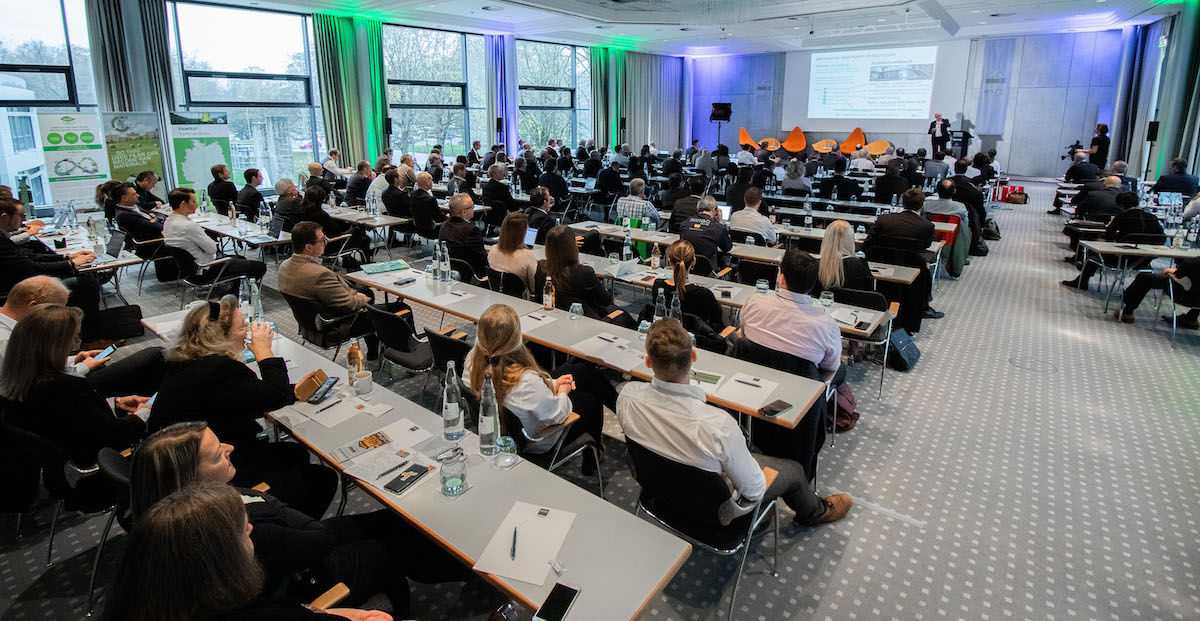
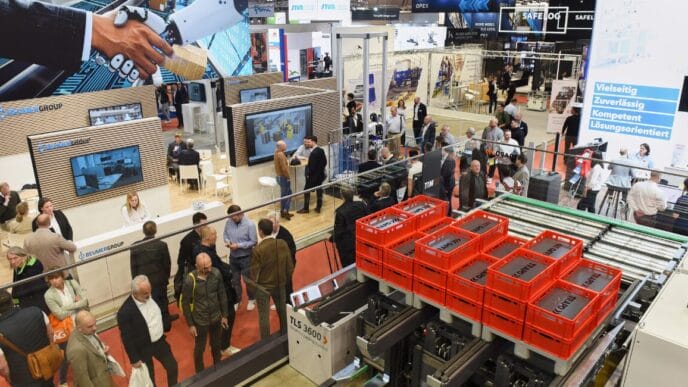
Around 150 participants from 22 countries accepted the invitation to Wiesbaden and experienced two insightful days. (Image: RIGK)
The report from the 3rd International Recycling Forum, 26 to 28 November 2019, Wiesbaden, shows that there is no alternative to cooperation in the circular economy.
Peter Sundt, Secretary General of EPRO, the European Association of Plastic Take-back and Recycling Operators, summarises his view that international cooperation is a key success factor for recycling. "The decisive factor is the Dialogue within the industry. At this event, we experience optimistic, innovative thinking. This is exactly what we need to realise a closed raw material cycle.
This applies to Europe as well as worldwide, where Canada, New Zealand and South Africa are already part of our network and utilise best practices. The Protecting the environment is a global and local task at the same time. It's not enough to clean up beaches or collect rubbish on the streets. When it comes to the circular economy, we are all responsible for the whole world."
[infotext icon]RIGK organised the symposium and accompanying exhibition from 26 to 28 November 2019 in cooperation with the European Association of Plastics Recycling & Recovery Organisations (EPRO) in Wiesbaden. Around 150 industry representatives from 22 countries took the opportunity to exchange experiences and developments regarding the recycling of plastics at an international level and to cultivate their network[/infotext].
Display
"We are tackling the issues that are driving the industry," says Jan Bauerauthorised signatory of RIGK GmbH. Following an introduction to the circular economy, the series of lectures focussed on recycling-friendly design and the Use of recycled materials. New machine technology and innovations in chemical recycling were also presented. In the final block, international projects on the Collection and recycling of agricultural plasticsSpain, Italy, Chile, Ireland and New Zealand.
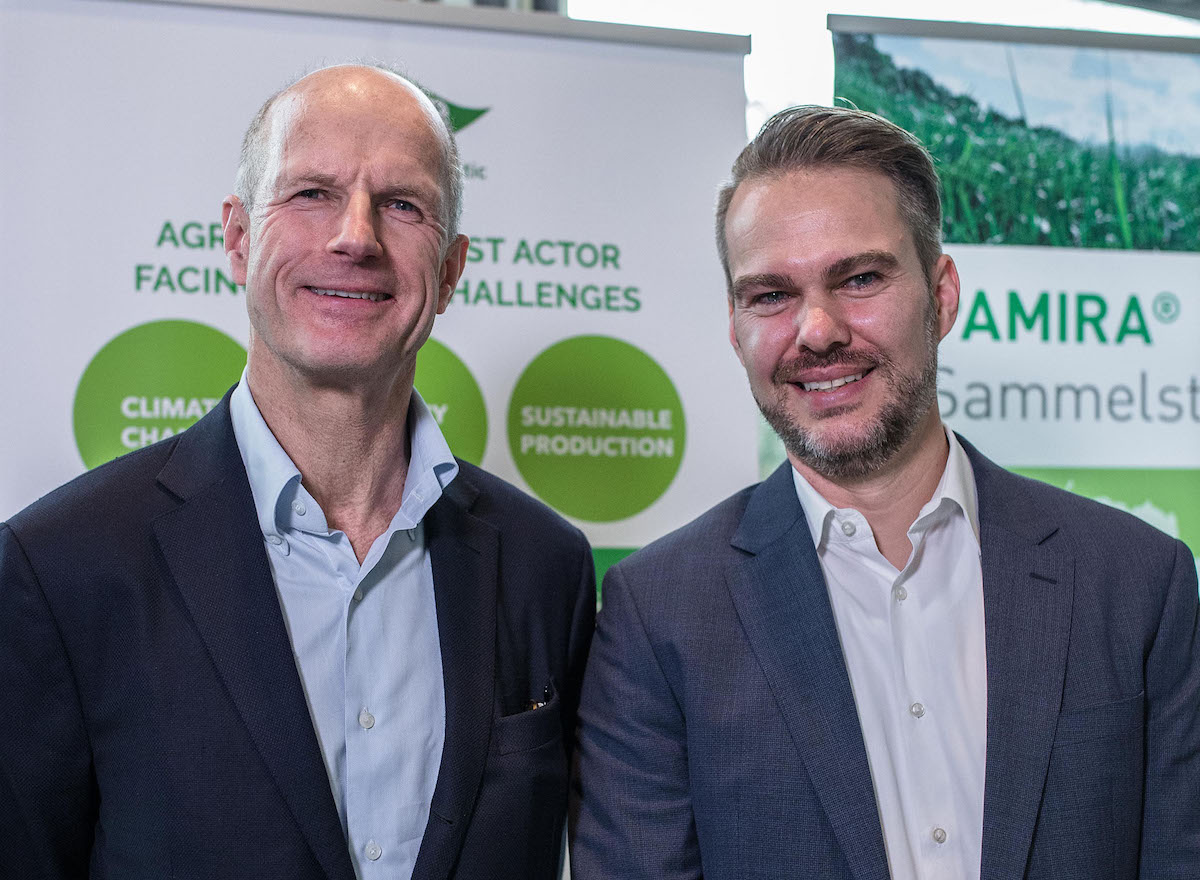
EPRO General Secretary Peter Sundt (left) and Jan Bauer, authorised signatory of RIGK, were satisfied with the event. (Image: RIGK)
"A functioning circular economy means using recyclates in high-quality applications. For this we need a Recycling-friendly product design and consumer acceptance. The business model can only be successful if we manage to keep recyclates in the cycle." Jan Bauerauthorised signatory of RIGK GmbH
Andreas MalmbergCEO of Trioplast, showed how a Recycling management for PE films and where the challenges lie. "By 2025, 50 % of the plastic used within the EU is to be recycled. This is a challenge for processors, because the higher the proportion of recycled material in the product, the more complex the manufacturing process becomes and the higher the reject rates."
The President of the European recyclers' association PRE, Ton Emansadvises taking a holistic perspective: "We need to look at the entire chain from production, utilisation and disposal through to recycling and use for new products view.
In recent years, the industry has taken up the cause of sustainability. Now, however, it is important to implement the idea of a circular economy. The EU has understood this and has taken the first steps with its Plastics Strategy. A product should be recyclable after use so that new high-quality products can be made from it."
Peter Sundt calls on the associations to play their part in the further development of the circular economy and to utilise the opportunities offered by this development. "The EU has given us one last chance. The good thing is that Brussels definitely sees potential in the plastics industry. Recycling concerns us all. And this means that we, EPRO, also have an obligation to society as a whole."