
Blister packaging 2.0: How viral AI hype is polishing the image of packaging

A TikTok trend, a bit of nostalgia and a whole lot of hype surrounding customised action figures in blister packs - suddenly packaging is back in pop culture. What this means for the industry.

A TikTok trend, a bit of nostalgia and a whole lot of hype surrounding customised action figures in blister packs - suddenly packaging is back in pop culture. What this means for the industry.

A viral hype surrounding AI-generated fake action figures is catapulting blister packaging back into the limelight. For the packaging industry, this trend offers a surprising image upgrade - and creative opportunities for visibility.

From childhood memories to viral self-presentation

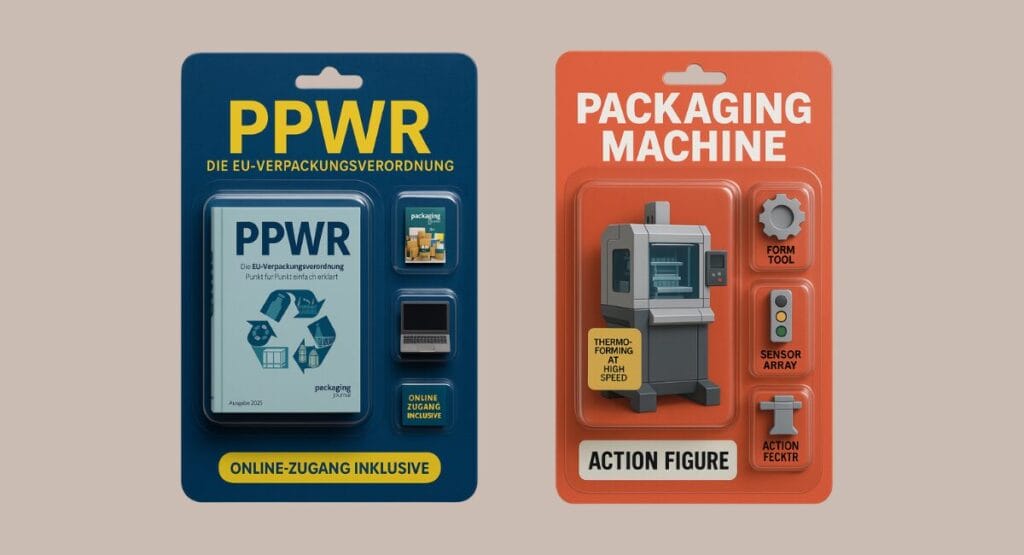
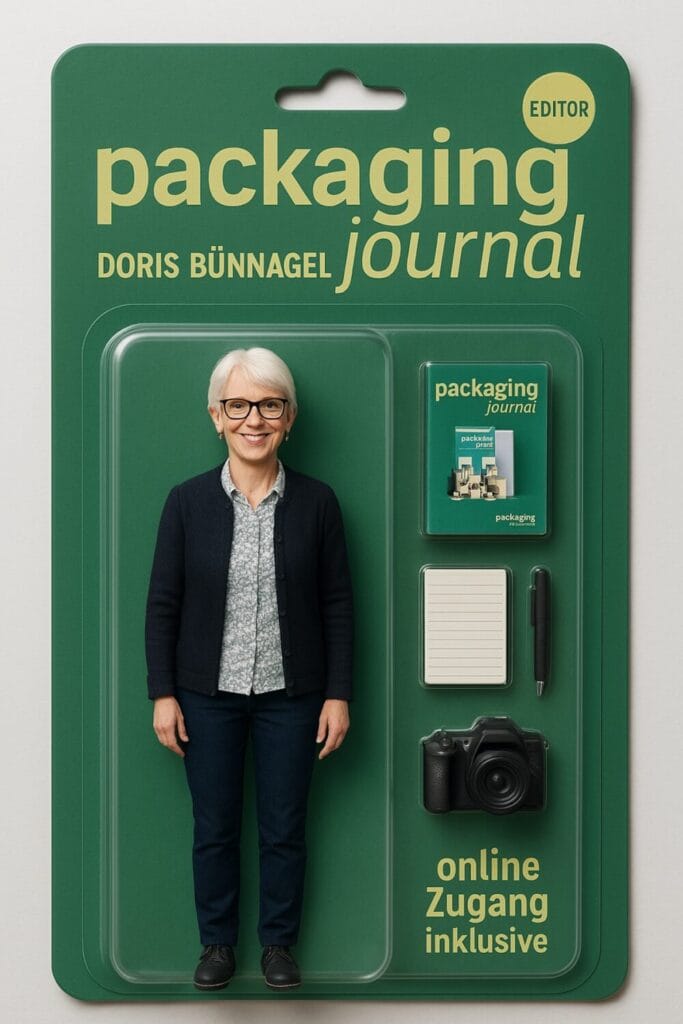
What used to be reserved for real toy figures is now an expression of digital self-presentation: your own action figure, stylised, retro, idealised - packaged in transparent blister packaging with gaudy branding. This is made possible by tools such as ChatGPT in combination with image AI such as DALL-E or Midjourney. The trend is simple but effective: usersinside let themselves be heroesinside - packaged like a figure from an old toy shop.

This aesthetic hits a nerve. Posts with fake figures are currently flooding the web on social media. Influencers, agencies and tech nerds are all jumping on the bandwagon. The staging seems familiar and strange at the same time: an ironic homage to childhood idols, combined with AI-supported self-promotion in the present day.

Display

The packaging is the star - not the product

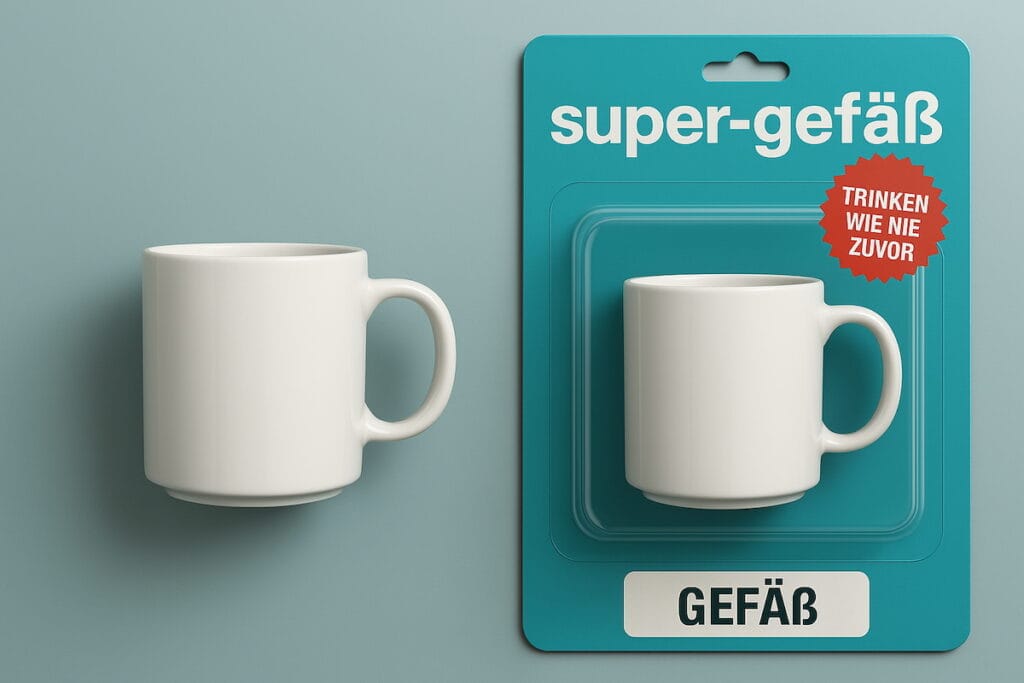
What is astonishing is that it is not the content, i.e. the “figure”, that is at the centre of the excitement, but the packaging itself. The blister packaging with its iconic look becomes the stage, the visual bracket of the production. It lends the image authenticity, context and a touch of consumer aesthetics. The product appears empty without packaging - with packaging it becomes a statement.

This is remarkable for an industry that often takes a back seat to the product. Here it's the other way round: the packaging is what makes the product visible and meaningful in the first place.

Create your own photo with this prompt

This is what a prompt could look like, which you can use in ChatGPT or an image AI of your choice - to create your own personalised character in the blister.

„Imagine I'm an action figure in a classic blister pack like from a 90s toy shelf. Describe me as ... (e.g. charismatic main character with a suit and glasses, in a cool pose). Next to me, typical accessories such as... (insert) should be visible - all neatly arranged in transparent blister chambers. The background card is... (e.g. bright pink with yellow lettering). At the top is... (text above) . At the bottom: ... (text below)“

Visual power with a signalling effect

Even if the AI-generated images are often not technically accurate blister packs, their impact is enormous. The typical design elements - transparent plastic chambers, cardboard spines with strong branding, organised placement of small objects - immediately activate the viewer's visual memory: „I know that - that's packaging.“

The illustrations function as a visual quotation surface that elevates the packaging design itself to a central symbol. Packaging does not become protection here, but a medium - similar to a magazine cover or a film poster aesthetic. This opens up new scope for creative brand work.

An image boost for the packaging industry

For the packaging industry, this trend is more than just a viral phenomenon. It offers:

  • Relevance in the mainstream: Packaging suddenly becomes not only thought along, but staged and celebrated.

  • New attention: The media do not report on recyclable materials, but on the look and feel of the packaging itself - in a pop-cultural context.

  • Source of inspiration: Agencies, start-ups and manufacturers can be inspired by the style of this trend - e.g. for limited editions, social media content or campaigns that emphasise packaging.

Packaging is a topic of conversation again

The industry has always known that packaging is more than just a wrapper. But rarely has this been as obvious as it is now. The AI hype surrounding fake action figures shows what happens when packaging becomes cultural code: It excites, inspires and becomes part of the public discourse. For the packaging industry, this is a real opportunity to shed old clichés and create new narratives. Preferably beautifully packaged.

5 ideas on how packaging companies can capitalise on the blister hype

Offer customers or partners digital tools with which they can create their own blister packs in retro design - ideal as a visual gimmick for trade fairs, onboarding or marketing.

Stage your trade fair stand as a blister pack backdrop. Visitors can have their photo taken in real or digitally simulated packaging - an eye-catching PR tool.

Present your team as an „action line-up“ - with humorous AI-generated figures of your employees in typical blister packaging. Works great on LinkedIn or in recruiting.

Bring out selected packaging designs with the look of toy packaging - as an ironic collector's item or highlight for design-savvy customers.

Collaborate with influencers or designers who are already using this style creatively. This way, your packaging expertise reaches new target groups - and shows cultural sensitivity.

More news