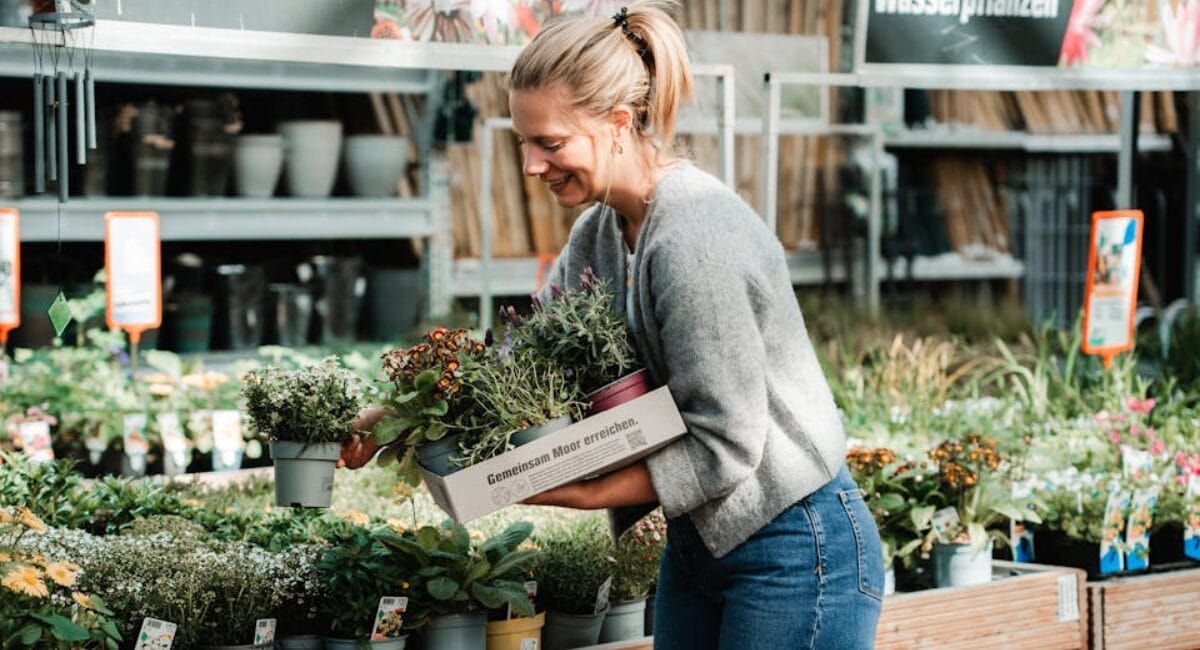
OBI is launching a new plant transport box in its stores, which consists partly of paludiculture biomass.
In a pilot project under the motto „Achieving MOOR together“, DIY store operator OBI has developed a new plant transport box together with Leipa, Leopold, the Donaumoos-Zweckverband and Fibers365. The box contains ten per cent reed canary grass, which grows on rewetted moorland - a so-called paludiculture. According to OBI, this initiative sets an example for sustainable packaging solutions and actively supports climate and biodiversity protection.
Moors store enormous amounts of carbon, but only as long as they are wet. By rewetting and utilising renewable raw materials from moors, the project aims to create an economically viable alternative to the previous use of drained moorland.

Sustainability and functionality combined
The new transport packaging is now available in German OBI stores. OBI sells around 46 million plants every year - many of them in cardboard packaging. The new Paludi cardboard offers the same stability and functionality as conventional variants, but is made from a proportion of Paludi biomass combined with recycled paper.
Collaboration along the entire value chain
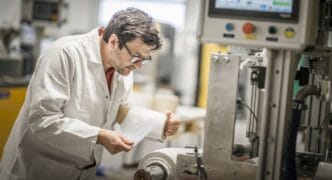
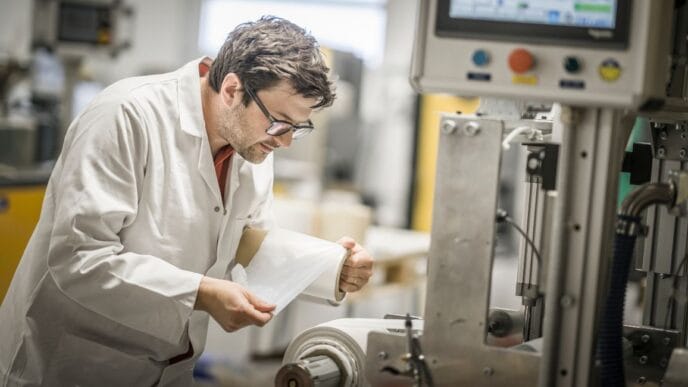
The project was realised along the entire production chain: The Donaumoos-Zweckverband cultivates reed canary grass on renaturalised areas, Fibers365 processes it into fibres, Leipa manufactures the cardboard raw material and Leopold handles the further processing into finished cardboard. The innovative approach was developed in cooperation with the Alliance of Pioneers of the toMOORow initiative, a network of companies and foundations dedicated to the rewetting and sustainable use of moors.
Contribution to climate protection and new approach to raw materials
The reed canary grass used comes from the Donaumoos in Bavaria, the largest moorland area in the state. The sustainable utilisation of such areas is intended to create long-term added value for the environment and society.
In view of the fact that around 95 per cent of German peatlands are drained and around seven per cent of national greenhouse gas emissions are attributable to drained peatlands, paludiculture offers a practicable alternative for farmers and industry, the report concludes.
Source: OBI