Growing environmental demands and technological advances are accelerating change in the world of packaging. The pressure on retailers to use sustainable solutions is growing, especially in e-commerce. Biodegradable materials are increasingly taking centre stage - and artificial intelligence is becoming a driver of development.
Biodegradable packaging is no longer a niche product. Online retailers in particular are increasingly focussing on materials that decompose under certain conditions instead of remaining as waste in the long term. A current analysis of the London Daily News sheds light on how AI technology, new consumer demands and corporate sustainability strategies are fuelling this development.
Plant-based alternatives instead of classic plastic
Packaging based on natural raw materials such as corn starch, sugar cane or wood fibres is considered a promising alternative to conventional plastics. They can be industrially composted or biodegraded under certain conditions. Polylactic acid (PLA) or polyhydroxyalkanoates (PHA) in particular are increasingly being used - for example in films, cups or shock-absorbing packaging elements.

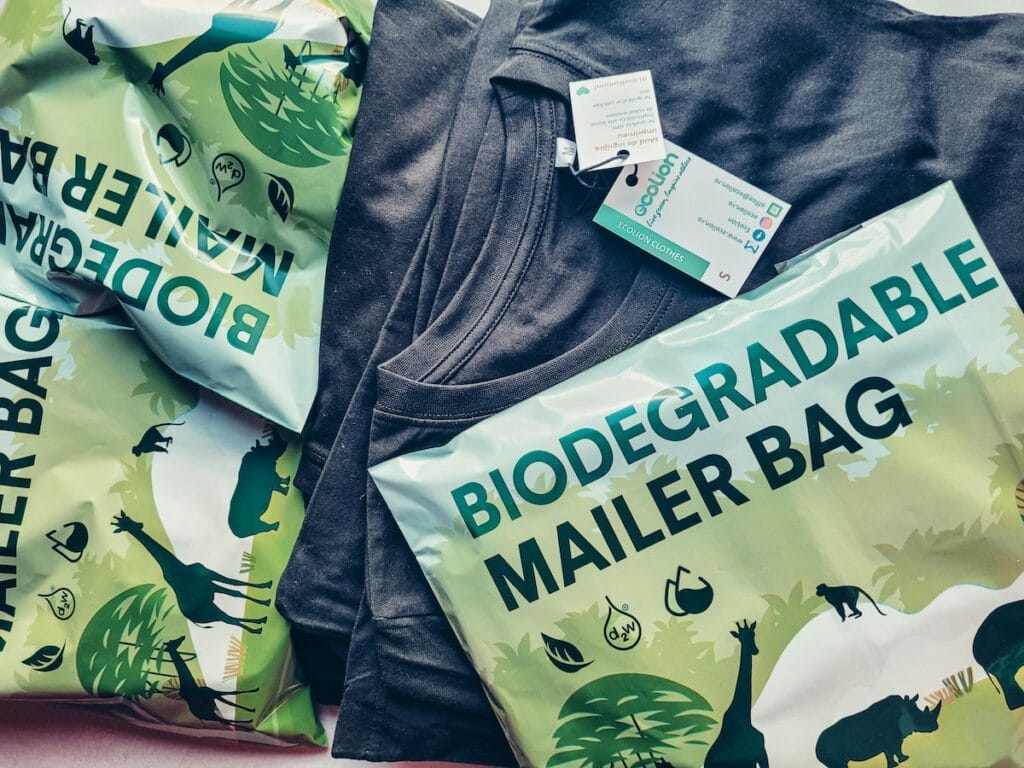
Paper-based solutions such as cardboard boxes made from recycled cellulose, moulded fibre packaging or bags made from bamboo materials are also playing an increasingly important role, as they decompose more quickly and do not release any harmful substances.
Artificial intelligence optimises materials and processes
In addition to the materials themselves, artificial intelligence is driving the pace of change. How the London Daily News reports, AI systems are now not only used in the selection and composition of sustainable packaging. They also support production planning, quality assurance and material savings.
Machine learning helps manufacturers to design packaging more efficiently, improve material combinations and reduce waste and energy consumption at the same time. Automated processes also make it easier and more economical to implement individualised packaging designs based on customer preferences.
E-commerce as a driver of innovation
The fast pace of online retail makes packaging a critical success factor - both in terms of logistics and ecology. Today's customers increasingly expect companies to design shipping materials that are not only functional but also environmentally friendly.
According to the analysis, major players such as Amazon and Alibaba are now specifically focussing on compostable or recyclable materials. This is not just about image cultivation, but also about compliance with regulatory requirements and ESG (environment, social, governance) goals.
Limits and perspectives
Despite progress, there are still challenges: Not all compostable packaging can be disposed of in household waste - there is often a lack of suitable collection and recycling systems. Access to raw materials such as maize or sugar cane is also limited, as these are also used in food and energy production.
At the same time, research and industry are working on new solutions - with the aim of making biodegradable packaging efficient, scalable and affordable. If the regulatory framework and infrastructure follow suit, the change could gain significant momentum in the coming years.