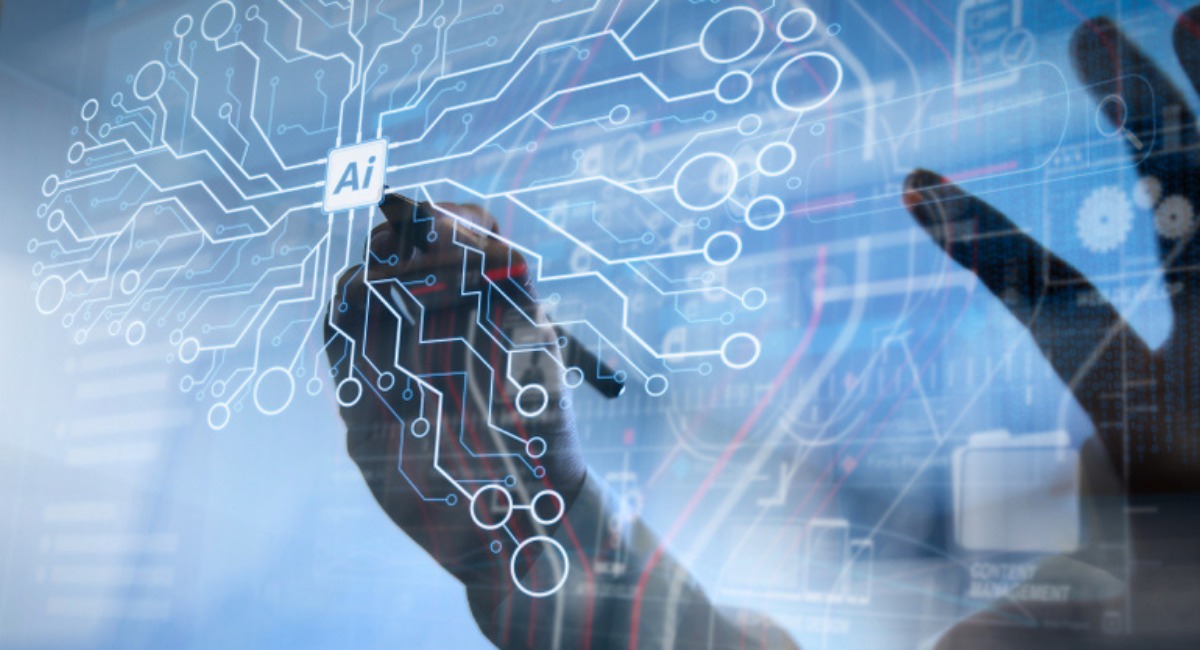
Germany's small and medium-sized enterprises (SMEs) are successfully driving forward the introduction of artificial intelligence (AI). This is confirmed by a recent study, which sheds light on the maturity of AI in German SMEs.
The current study „AI (r)evolution: How German SMEs benefit from artificial intelligence“ from Sage proves that 29 per cent of companies have already fully integrated AI into their business processes - a higher figure than the EU-wide average of 28 per cent. A further 37 per cent of companies have so far only used AI tools selectively via individual tools without integrating them into systems across the board. The main motives for the use of AI are increased efficiency (38 %) and pressure to innovate (40 %).
The study shows measurable success: 63 per cent of German companies that use AI, report direct improvements in their business performance. Almost half of respondents (45 %) assess the success of their AI investments based on productivity metrics. A further 39 per cent use revenue growth and 32 per cent cost reduction to determine the ROI of their AI technologies. These results emphasise this, that AI not only contributes to cost reduction, but above all promotes growth potential.

„German SMEs are increasingly recognising the value of strategic, integrated AI investments that automate core processes, thereby increasing sales and productivity - and doing so faster than the European average. Now is the time to systematically build on these advantages. If politics and business now work together to ensure reliable rules and an open data space, Germany can develop into Europe's sustainable AI hotspot and strengthen its business location in the long term.“
Christian Mehrtens, Managing Director of the Central Europe region at Sage
According to the Sage study Data-intensive sectors in particular benefit such as financial management, marketing and sales of AI solutions. 41 per cent of respondents see the greatest benefit in the area of data analysis, particularly for better decision-making and customer communication. In addition, more than two thirds (38 %) report significant increases in efficiency as a result of AI, while 32 per cent report clear increases in productivity.
Companies expect support from politicians
Despite the positive development, challenges remain. Even before the start, high implementation costs (36 %), a limited understanding of the benefits (36 %) and a lack of qualified specialists (29 %) make the comprehensive introduction of AI difficult for many SMEs. After implementation, other challenges come to the fore: 42 per cent note that they lack employee training, 33 per cent underestimate ongoing maintenance costs and 33 per cent have to address ethical concerns of their stakeholders.
German companies therefore expect increased regulatory and political support, to overcome existing hurdles. With regard to the topics of the AI Act, parts of which are already binding, 48 per cent have data protection concerns and 40 per cent doubt the accuracy of AI systems. In addition, 48 per cent want clear and comprehensible data practices and 34 per cent consider an official AI seal of approval to be a decisive purchasing criterion, should such a seal exist in the future.
„The decisive factor is not only the technology itself, but the trust. Politicians must create the conditions for SMEs to be able to utilise AI technologies optimally. Transparency standards, a practical legal framework and targeted funding must become standard,“ adds Mehrtens.
Source: Sage