The aim of the 58-month BioSupPack project is to develop new bio-based, high-performance and recyclable packaging materials based on PHA (polyhydroxyalkanoates) - and thus create a sustainable alternative to conventional petrochemical plastics.
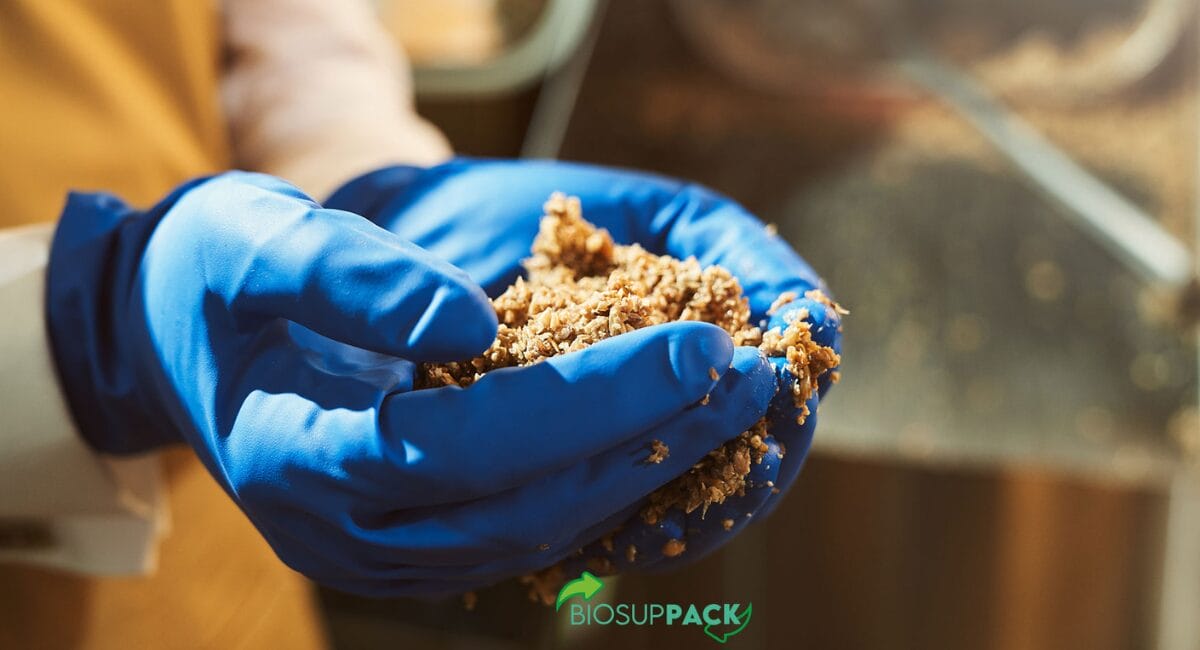
The speciality: A previously unutilised by-product of the food industry is to serve as the raw material - spent grains, i.e. residues from the brewing process. These are available in large quantities all year round in Europe and, due to their properties, are particularly suitable for the fermentation of PHB (polyhydroxybutyrate), a representative of PHA plastics.
The focus is on applications in the areas of food, beverage, cosmetics and household packaging. The newly developed materials should not only be hydrophobic, barrier and squeezable, but also sortable and recyclable. The project is also investigating the logistical aspects along the value chain - from the collection of spent grains to the recycling and utilisation of the new packaging.

At the end of the project, the consortium aims to present at least two bio-based materials and two market-ready packaging products that are both EU-compliant and consumer-friendly.
BioSupPack brings together companies from the agri-food, bioplastics, paper and packaging sectors to form a new bio-cluster - with the aim of creating recyclable packaging solutions with real market potential.
Source: BioSupPack.eu