Packaging in Japan

Different countries, different packaging: A look at supermarkets around the world shows how differently products are presented, protected and designed. Today: Japan.

Japan

Different countries, different packaging: A look at supermarkets around the world shows how differently products are presented, protected and designed. This time we took a look around Japan for our little packaging check.

Lid closes by itself

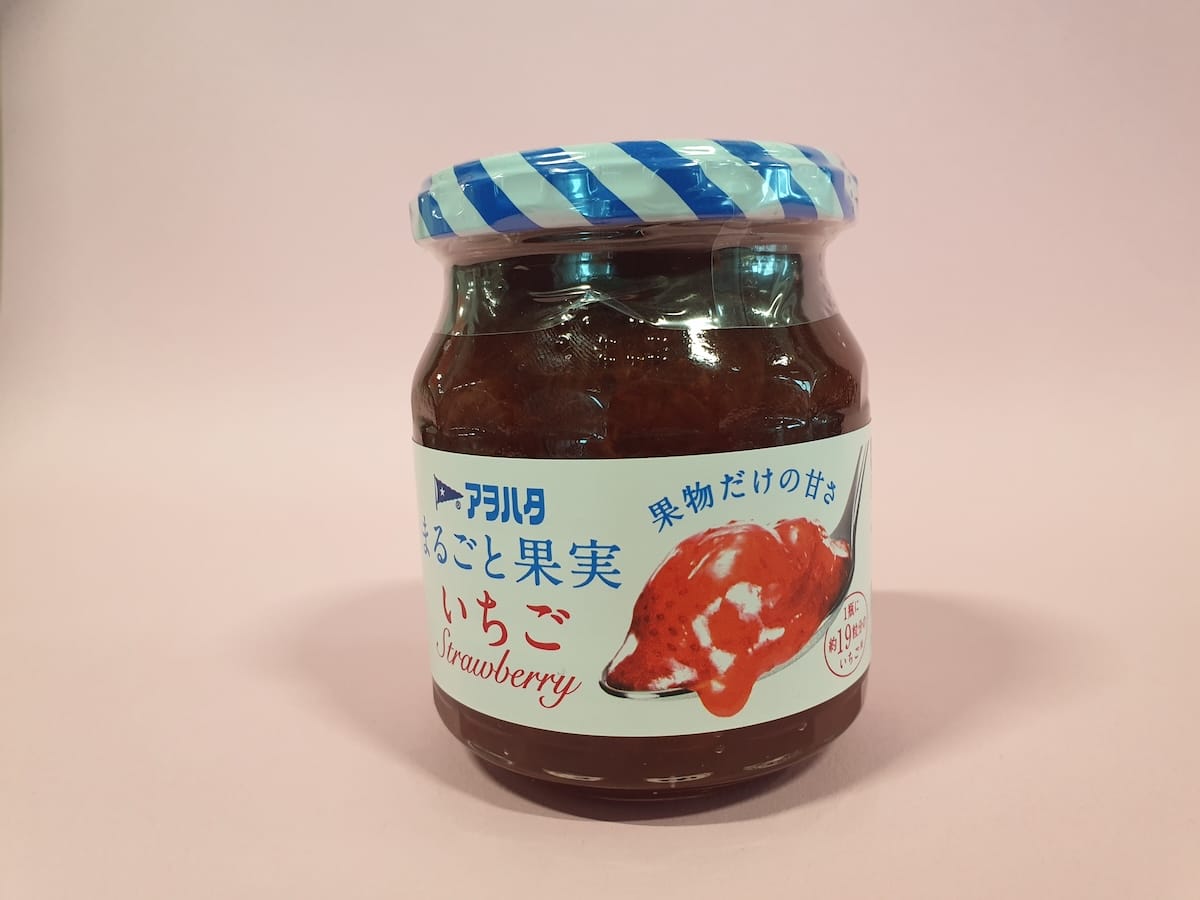
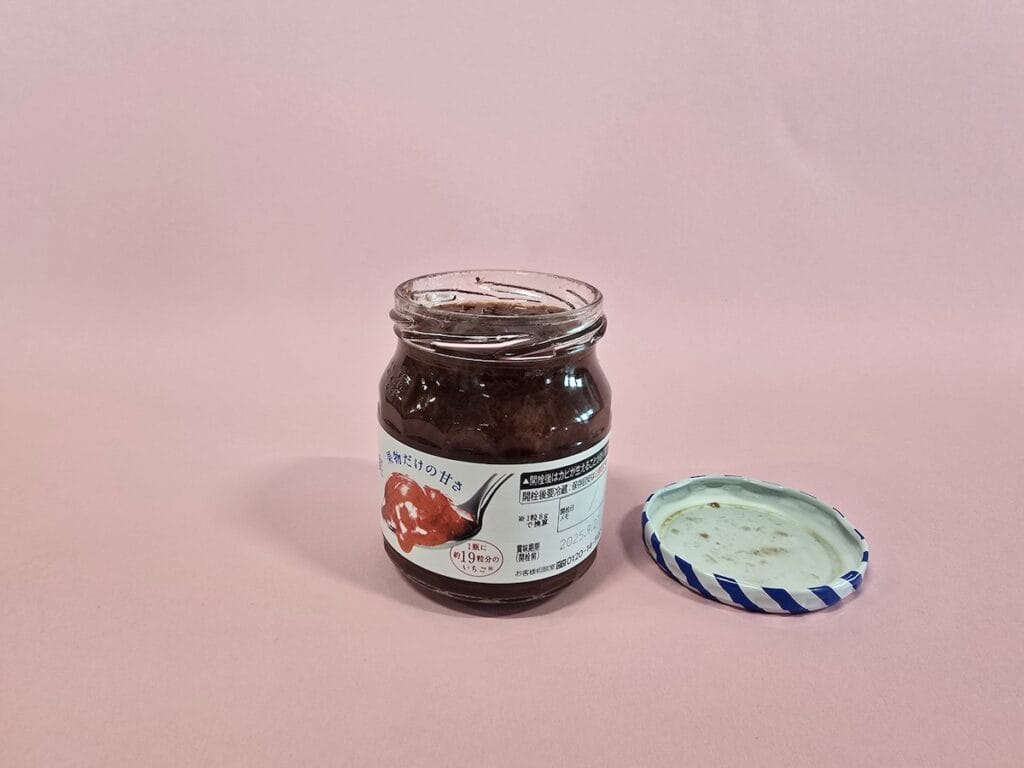
With this jam jar from the Japanese brand Aohata, the lid closes by itself as if by magic.

As soon as it is placed loosely on the glass, it automatically turns in and can no longer be lifted off. Only a little force is then required to close the jar tightly.

Anyone who suspects that a magnetic force is involved here is wrong. Both the inside of the metal lid and the glass thread of the container do not initially differ from conventional containers. The answer lies in the glass ribs of the thread: They are inclined at a steeper angle than the ribs on standard glass jars. This makes it easier to overcome friction and the lid slides downwards like an object on a steep slope. 
Display

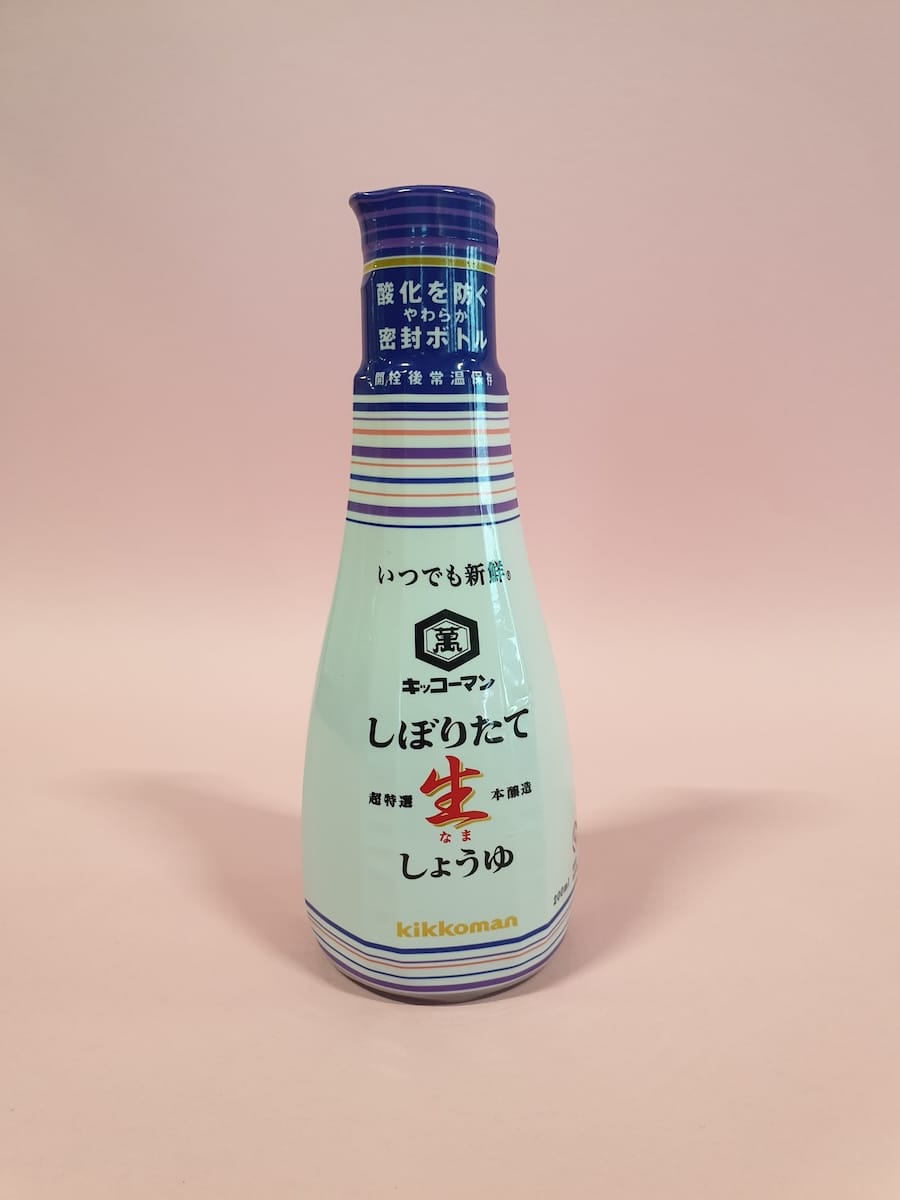
Yawaraka Mippu Bottle

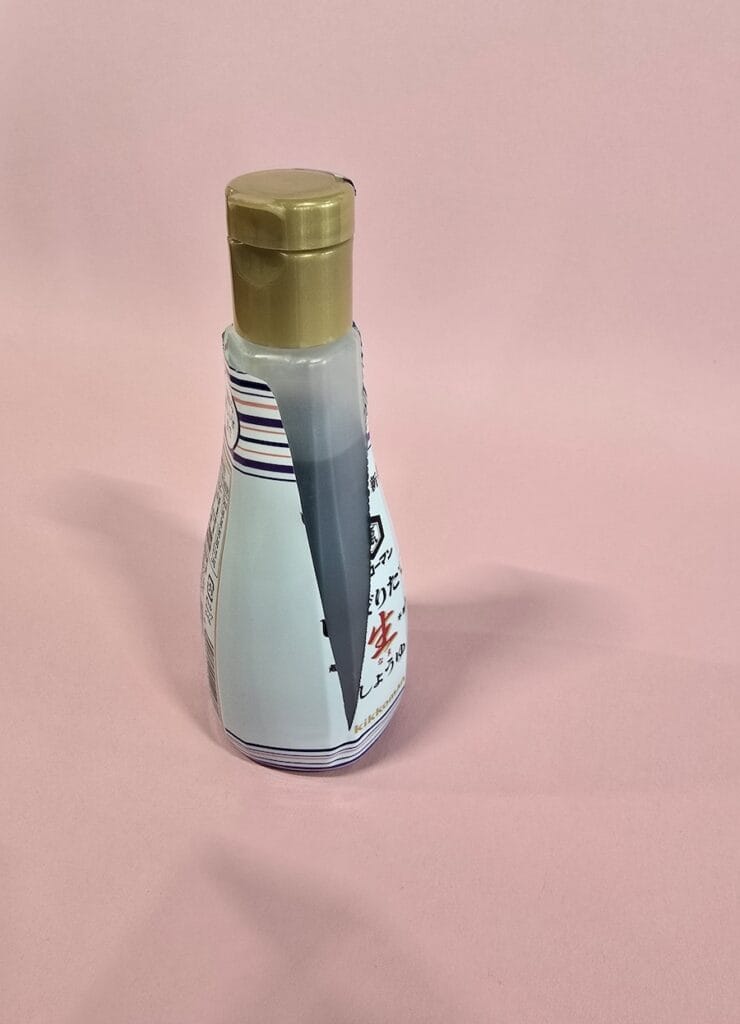
This PET bottle with sleeve has a special function: the hermetically sealed container prevents the soya sauce from oxidising and keeps the product fresh for 90 days after opening.

The ‘Sealed Eco Bottle‘ contains an inner bag that prevents the product from coming into contact with the air. The removable cap ensures precise dosing. At 33 grams, the bottle is considerably lighter than the conventional glass bottle (159 grams).

The sleeve and cap can be easily removed from the bottle before recycling. 

Wine for travelling

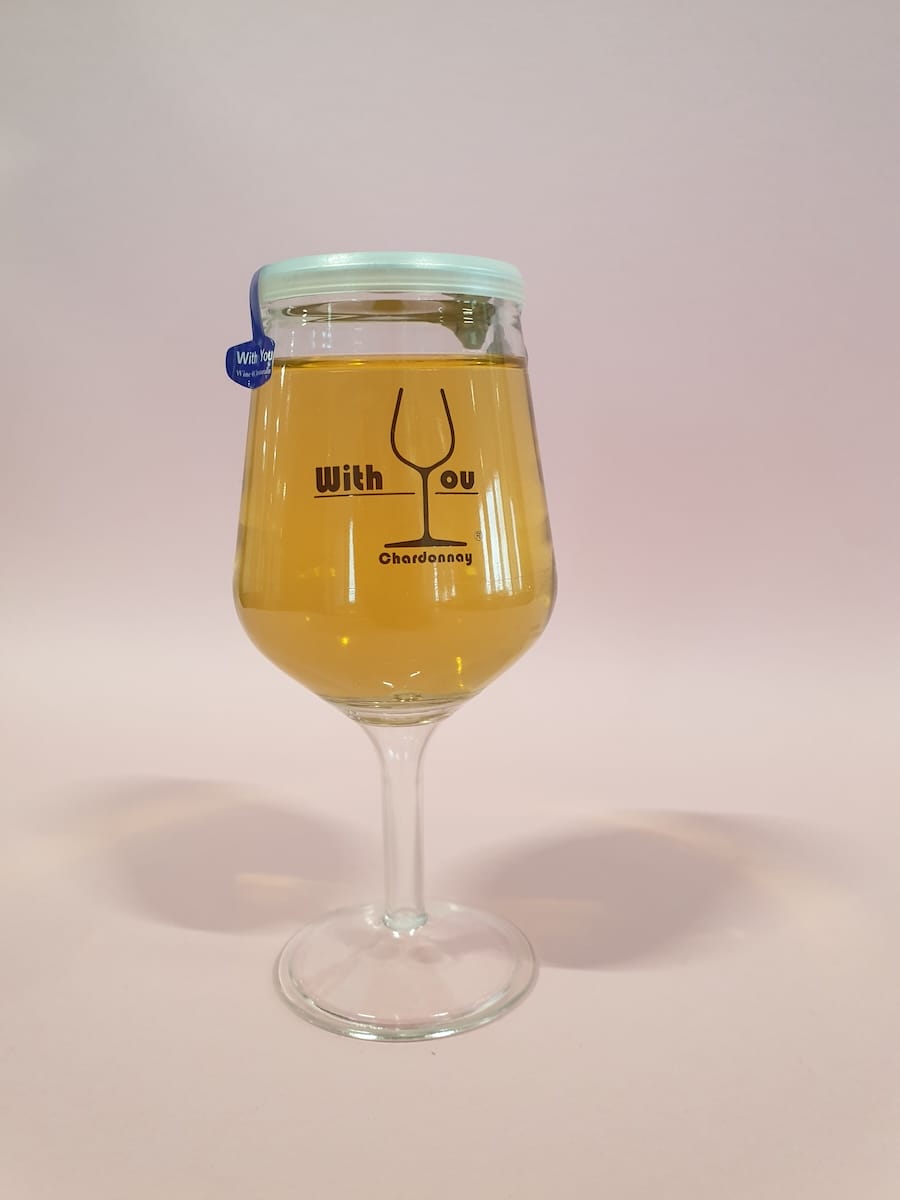
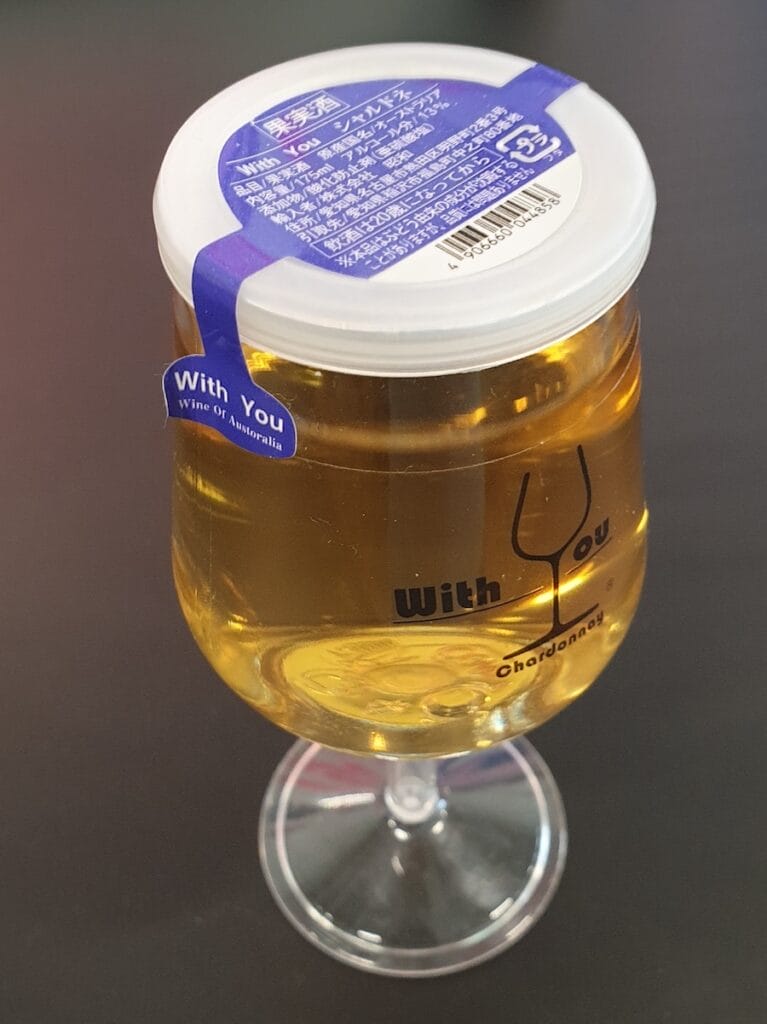
A lightweight, pre-filled and sealed plastic glass, available in Japanese supermarkets, promises wine enjoyment on the go.

The recyclable wine glass made from food-safe PET is tightly sealed with a sturdy plastic lid and filled with Australian wine. White wines such as Chardonnay are said to keep for 15 to 18 months in the ready-to-drink packaging, while red wines, which are also available in the to-go glass, can be kept for more than two years.

The lightweight packaging is also suitable for outdoor events where the use of glass is out of the question for safety reasons.