INSIGHTS INTO THE PACKAGING
Completely happy? The challenge of complete emptying
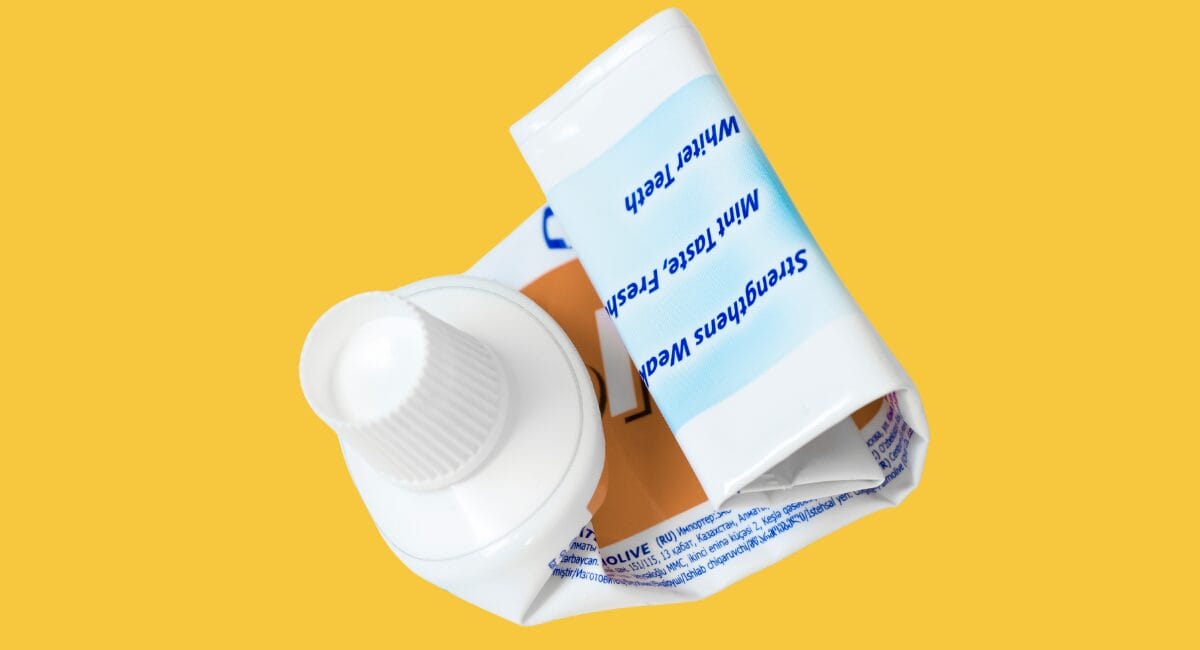
„Packaging should be designed in such a way that its contents can be emptied easily and that it is completely empty when it is disposed of.“ This is written in black and white in the new EU Packaging Regulation. Sounds sensible, but when it comes to implementation, it proves to be extremely challenging. A tough film of cream, soap and ketchup sticks between theory and practice.
From the point of view of disposal companies and recyclers, the demand is understandable: Packaging or sorted material is measured by weight. The less product residue there is, the cleaner the recyclable material is - this saves washing processes and energy, increases the yield and reduces the biological load along the treatment processes. Anyone who has ever visited a lightweight packaging sorting plant at more than 18°C knows what we are talking about here.

The consumer alone is responsible for ensuring that the packaging is completely empty when it is disposed of. Rinsing the packaging is not recommended - but what does „completely emptied“ mean? Scraping out the yoghurt or quark pot with a spoon? Squeezing out the Tetra Pak with strained tomatoes? Maybe even cutting it open? What about the meat juice and blood in the PET tray? And how vigorously should the body lotion be shaken to get every last drop?
What does „easy to empty“ mean for packaging development? The primary purpose of packaging is not perfect emptying. It should protect, transport, dose, sell - and help consumers to use products easily. It should also look stylish. It is in the nature of things that viscous, creamy or pasty products are difficult to release from the packaging.
How can lipstick, hair conditioner or hand cream be „completely“ emptied without having to disassemble, scrape out or cut them open?
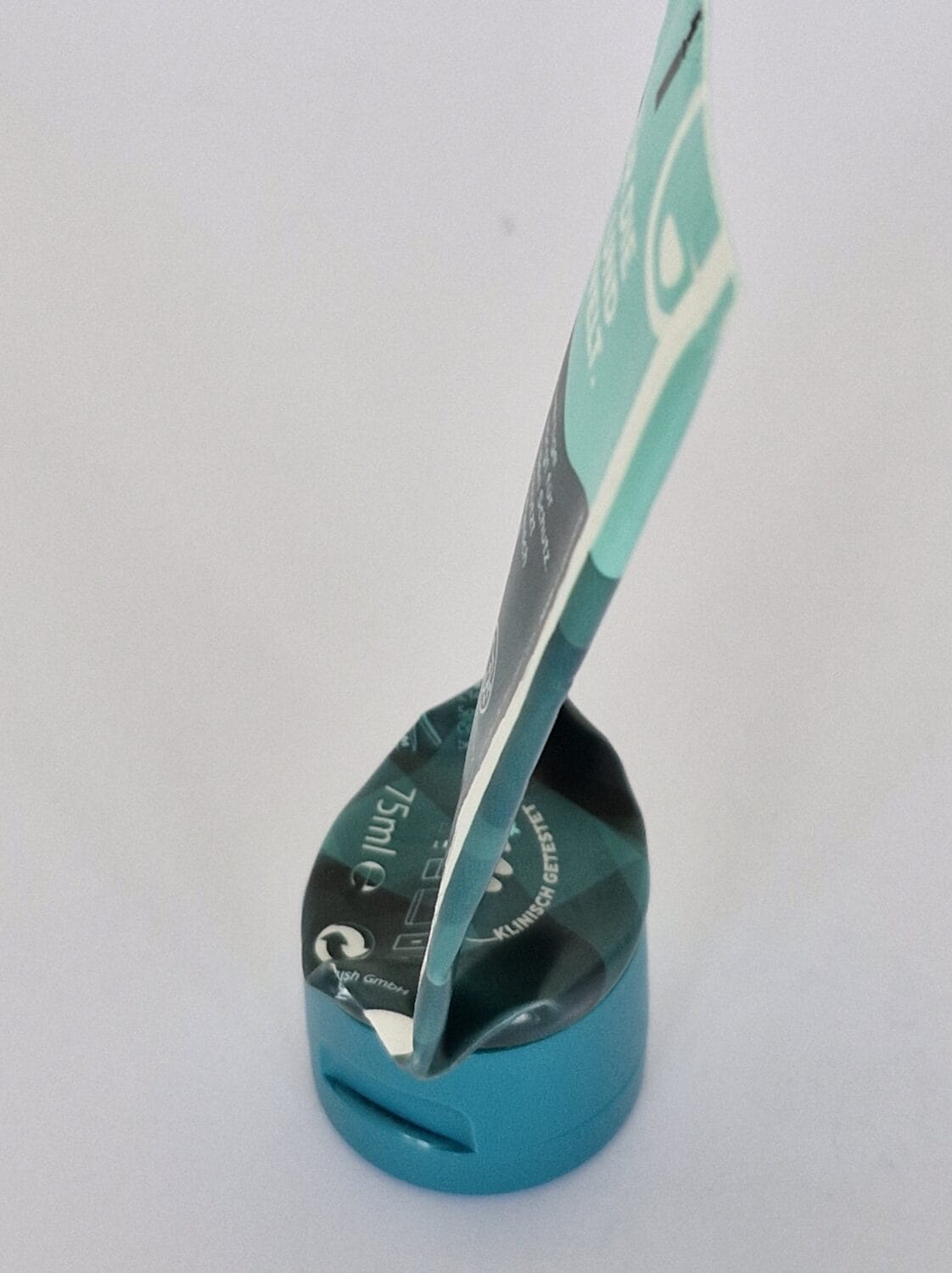
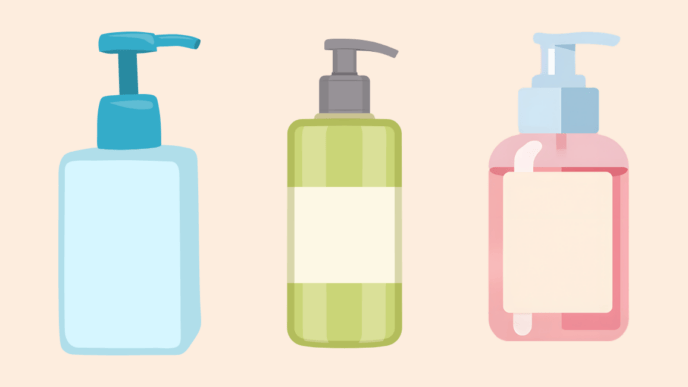
Consumers want soap and face cream conveniently and hygienically from the pump dispenser. They love the rich feel of a rich cream - not a watery substitute. They want choice, quality - and no fuss. So what to do? Only sell solid soaps because the packaging is easier to recycle? Ban shower lotions because the bottle contains too much residue?
Residual emptying becomes a criterion for recyclability. Anyone who fails to achieve the required 70 per cent rate will no longer be allowed to sell their product.
Packaging development is faced with a conflict of objectives: functional, brand-carrying, safe and attractive packaging that can be completely emptied and recycled at the same time. This is not impossible - but it requires clever innovation and pragmatic foresight, rather than one-sided paragraphism.
Because if the hunt for the last drop becomes a dogma, there won't be much left in the end - neither in terms of convenience nor product variety.

The packaging technology graduate and long-standing strategy consultant brings together technical expertise and a clear attitude - she thinks about packaging holistically, from the perspective of the market, brand, material and people.
In her column "Presented - insights into packaging" she looks behind the headlines and standardised texts for packaging journal - and at what packaging is supposed to do in practice: protect, sell, simplify and inspire. Sometimes opinionated, sometimes tongue-in-cheek - but always technically sound.
🎯 Regularly a new impulse for the discussion about sustainability, regulation, innovation and reality in the world of packaging.
Sonja Bähr Director Business Development at BPC
http://www.bpc.works
Sonja Bähr, Director Business Development at Berndt+Partner Creality. (Photo: Berndt+Partner Creality GmbH)