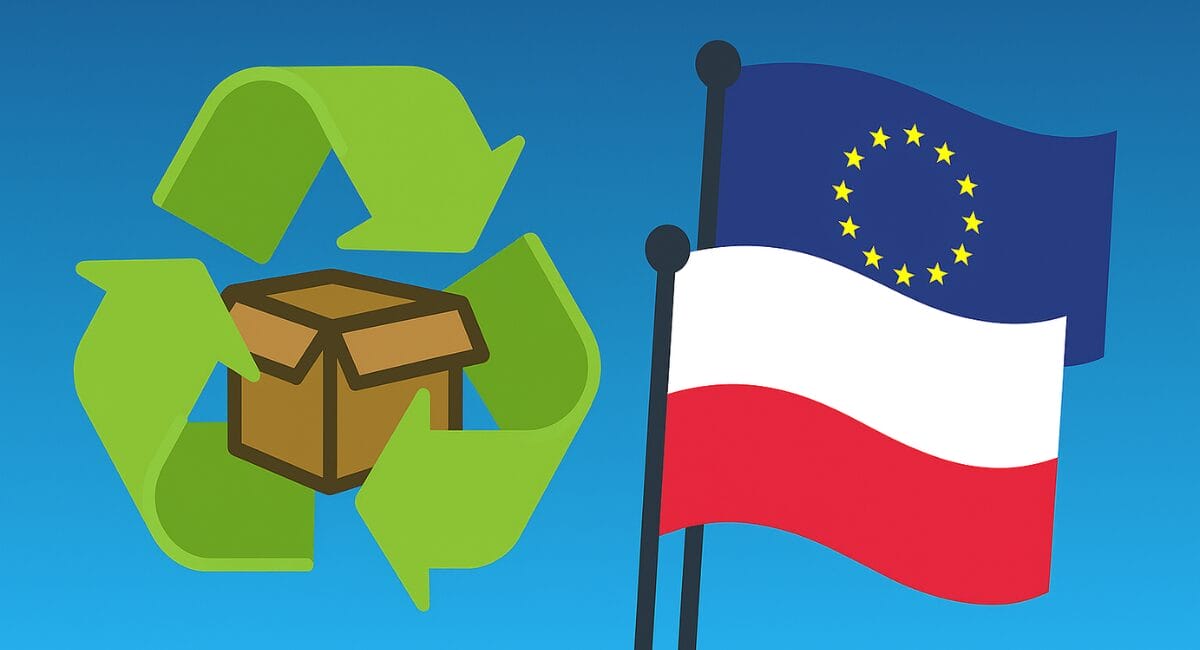
More than 30 European industry associations have submitted a joint statement on the Polish draft law on packaging and packaging waste. They oppose a state-run EPR model, which they believe is more akin to a levy, causes high bureaucratic costs and jeopardises the EU's circular economy goals.
The draft provides for the National Fund for Environmental Protection and Water Management to be the only body to levy EPR fees and distribute funds to municipalities and waste management companies. The associations argue that the procedure with annual applications and inspection obligations diverts resources away from collection, sorting and recycling and fails to fulfil the minimum requirements of the Waste Framework Directive. There is also a risk of losses in „recyclability at scale“ under the PPWR, which could jeopardise market access for certain packaging from 2035.
Fees and legal clarity
The signatories criticise the fee architecture: the specific EPR rate is not to be set until 2028, while transitional rates of 8 and 20 percent of the product fee rate per kilogramme will apply in 2026 and 2027. It remains unclear why these percentages should be based on a sanction standard for missed recycling targets. The associations see the risk of excessive revenues above and beyond the actual disposal costs and refer to Article 8a(4)(c) of the Waste Framework Directive and the EU-wide ecomodulation from 1 January 2028, which differentiates fees according to recyclability.

Demands of the associations
The Alliance calls on Warsaw to establish an EPR system in line with the minimum requirements of the Waste Framework Directive and to ensure the scalability of recyclability in accordance with the PPWR. It also refers to detailed points for the coherent implementation of the PPWR, such as a future EU guideline on exemptions for fresh fruit and vegetables and an adjustment of national targets and calculation bases. The opinion is supported by numerous European sector organisations.
Source: EUROPEN