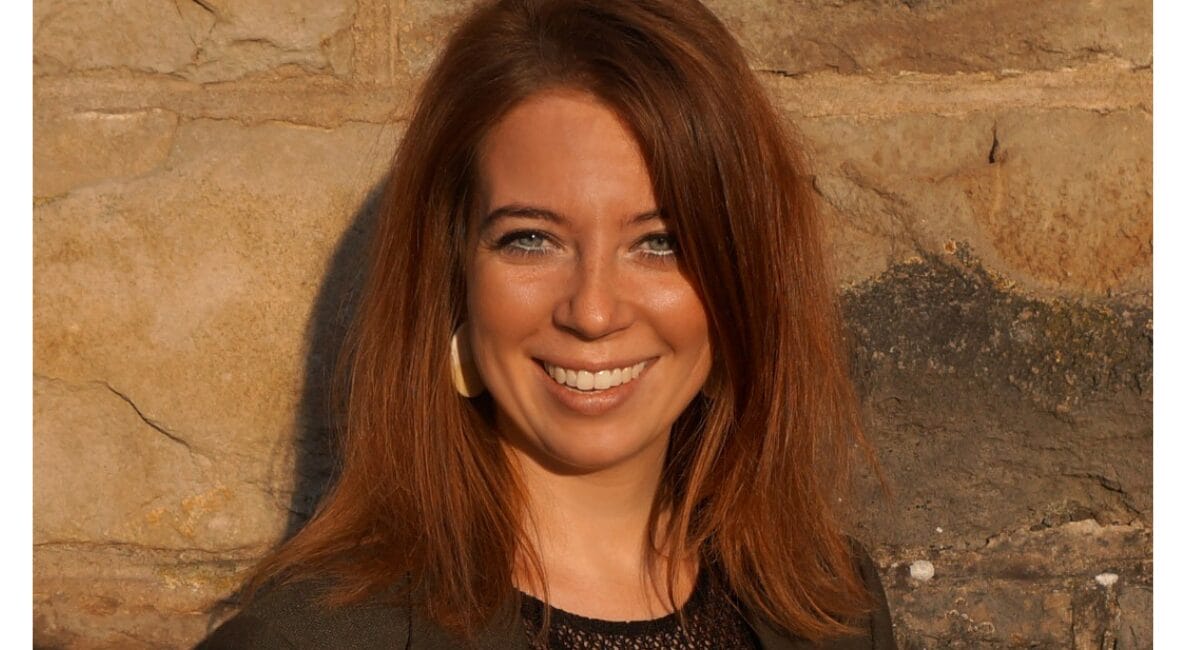
The Kneipp brand stands for holistic, sustainable cosmetic products. This claim does not end with the formulation of the products. Kneipp is also pursuing a consistently sustainable course with its packaging: away from fossil-based plastics and towards recyclable and bio-based materials. Packaging engineer Isabel Hafner and her team are working towards this ambitious goal.
Isabel Hafner's path into the world of packaging technology began with her enthusiasm for scientific and design topics. She then came to packaging technology through her father. "The combination of technology and creativity really appealed to me." She already gained experience in the field of cosmetics packaging during her Master's degree. Today, she is head of packaging development at Kneipp - a company that has set itself ambitious goals: The aim is to completely eliminate petroleum-based plastics by 2030. Hafner has been part of the Kneipp team since 2018 and Head of Packaging Development since 2023.
"Back then, we took our first steps - with lip care packaging with a cork sleeve. Then we started to explore new materials more and more. Today, we look at every packaging in terms of sustainability: is the current solution what is needed and how can we improve it in terms of sustainability? Which materials can we use? How can recycling be ensured or improved?"
Isabel HafnerHead of Packaging Development at Kneipp
In practice, this means a lot of experimenting, testing and weighing up. "Fortunately, we have the opportunity to try out many things in the company." One example is the paper-based tube. Although it reduces the proportion of plastic by around 25 per cent, it is not yet recyclable due to its composite material. "We are still working on this. The PPWR is currently bringing many changes and we are also dependent on how recycling flows change."

Innovation needs co-operation
Sustainability is no longer a project for individual departments. Isabel Hafner works Cross-functional with purchasing, research & development, production, marketing, communication and external suppliers. As a member of the internal sustainability team, she works with colleagues to develop new concepts and processes. The topic of reusable packaging is currently on the agenda: Kneipp is taking part in the pilot project launched by the start-up Reo in late summer. For the first time, customers can now conveniently return empty cosmetics packaging via deposit machines in twelve Munich shops. Together with consumers, retailers and scientists, the aim is to find out How a closed packaging loop can succeed in the cosmetics industry and how it makes cosmetics packaging reusable. Reo is digitising the packaging from participating partners and integrating it into its platform. "We are participating with our bubble bath and soap bottles as well as the bath salt tins and first want to find out in the test whether the packaging is returned at all and whether it can be reused."
Material diversity as the key
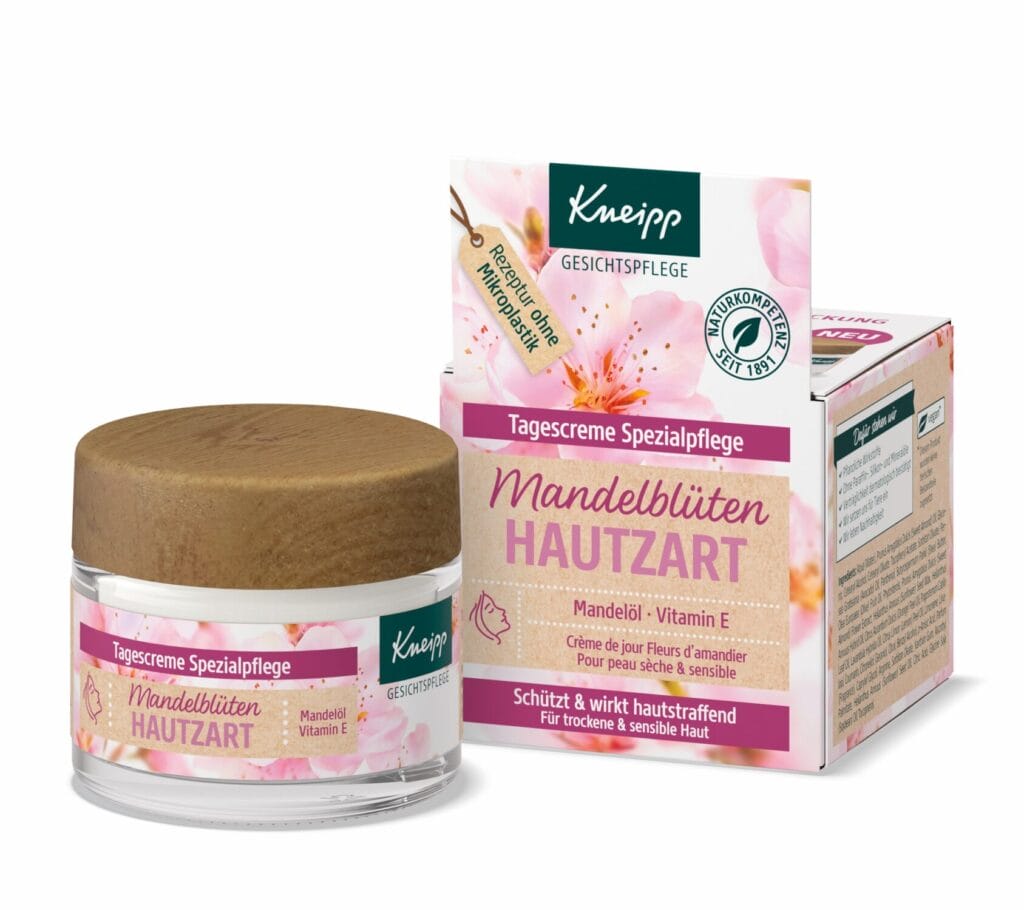
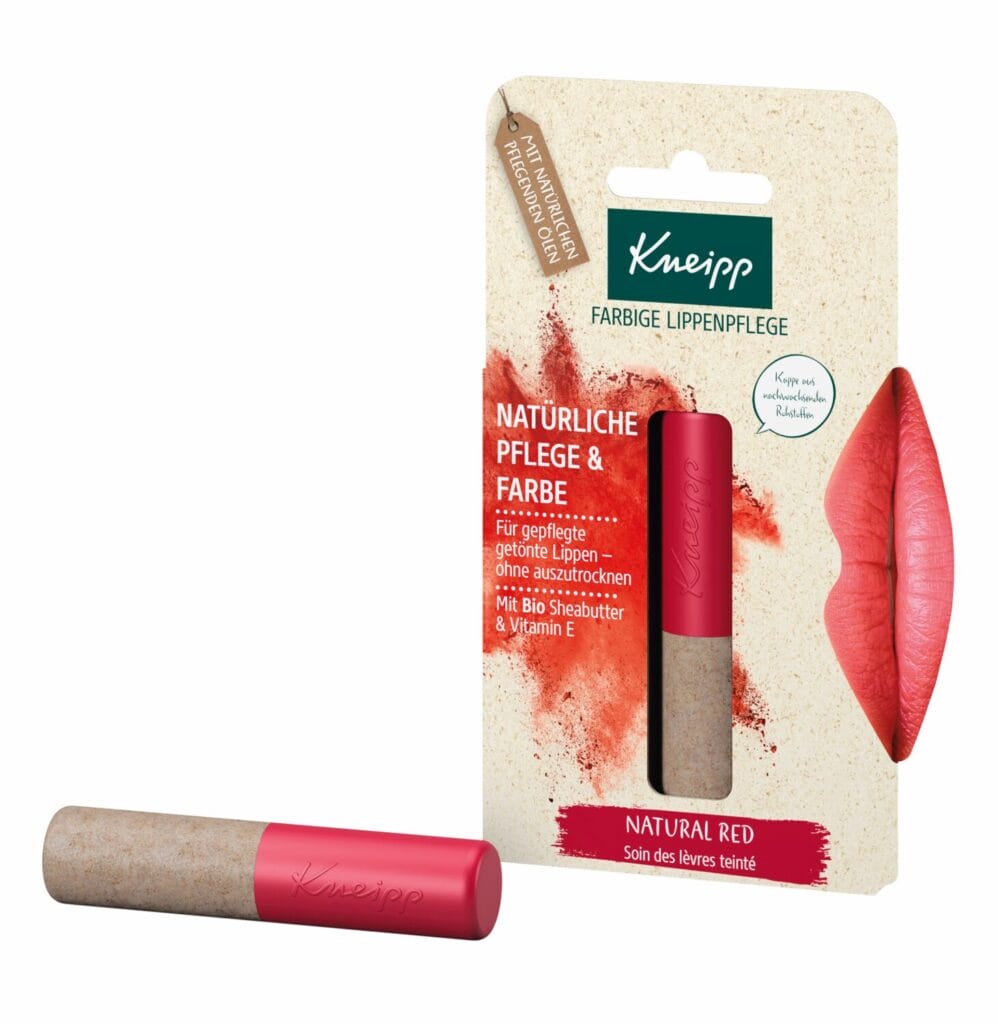
The list of new materials at Kneipp is long: bio-based plastic, rPET, rPP, grass paper, silphie paper, cork, glass, paper blend and the wood fibre compound Forewood. Kneipp uses this innovative material in the lids of its face and foot care jars and in the lids of its coloured lip care products. Forewood consists of PEFC-certified wood fibres from southern German forests, which are a by-product of the wood-processing industry (e.g. traditional sawdust) and a binding agent made from plant starch. This the material is based 100 per cent on renewable raw materials. Incidentally, the sleeve of the lip care packaging consists of Cork from post-industrial waste - for example, the offcuts from wine cork production or the manufacture of cork flooring.
Classic recyclates are also part of the route: the bath salt tubs are made from 99 per cent rPET, their lids from 97 per cent rPP. Packaging made from rHDPE and rPP is also used. In total, around three quarters of the Kneipp portfolio is already recyclable. Kneipp also looks at industrial compostability.
No greenwashing, but transparency
Isabel Hafner emphasises that the path to plastic-free packaging is not easy. "We're thinking outside the box a lot and taking a fresh look at products. For example, we are currently a shop test with bath salts in a paper sachet. Then it's about which requirements need to be met and which solutions are needed that are not yet in use. That's often not easy."
When using natural materials, new challenges often only arise over time. "With conventional plastics, we can draw on decades of experience. We are only just gaining this experience and are often faced with new challenges, for example when it comes to processing or storage. But it is important to us, that we deal with everything transparently and also communicate when and where we are still failing. After all, it may not be possible to realise everything we have planned by 2030. It will definitely be an exciting journey."
Openness pays off: Kneipp has already been honoured as a "Green Brand" seven times in a row. The international organisation of the same name awards the seal to brands that produce in an environmentally friendly manner, are committed to the preservation of natural resources and are highly committed to the conservation and balance of nature and sustainability. Kneipp is also Part of the world's largest initiative for sustainable corporate governance: the UN Global Compact. The company is thus committed to respecting human rights, fair working conditions and environmental and climate protection.
A career with impact - for women too
Packaging technology has long been a male domain. Isabel Hafner sees this changing: "There were a lot of women at university, but in practice and at congresses it has tended to be men. But I can tell all women, who want to combine technology, creativity and environmental responsibilityhighly recommend this profession." The packaging engineer believes that the profession has changed since she started. "Back then, the discussion about the use of new materials and recyclates was just beginning. Today, knowledge about all these things is becoming increasingly important. I want to expand my knowledge of sustainable materials and make my contribution to finding new solutions."