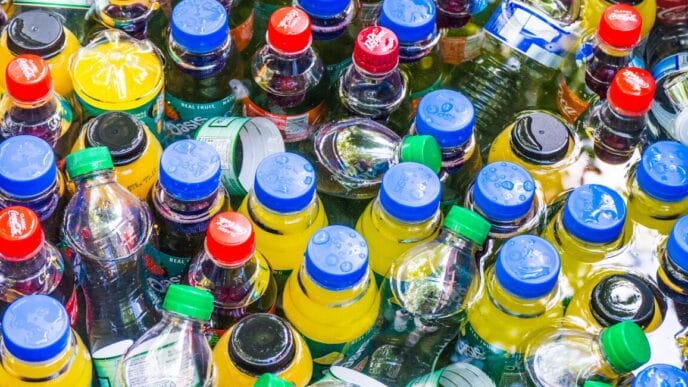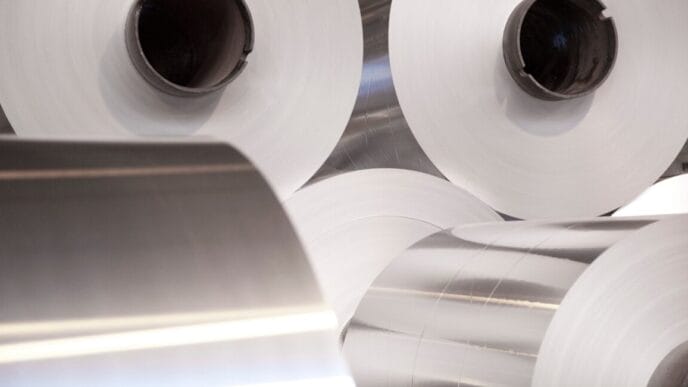
European Aluminium is pushing for export levies on aluminium scrap. Packaging such as cans and foils in particular are considered a crucial source of raw materials for the European circular economy.
Europe faces a double challenge when it comes to aluminium: while demand is expected to grow by around 30 % by 2040, numerous primary plants have been shut down in recent years. Imported primary aluminium also has almost 60 % higher CO₂ emissions on average than European production. Recycling is therefore gaining in strategic importance - including in the packaging sector, which continuously supplies large quantities of scrap.
Packaging as a raw material anchor
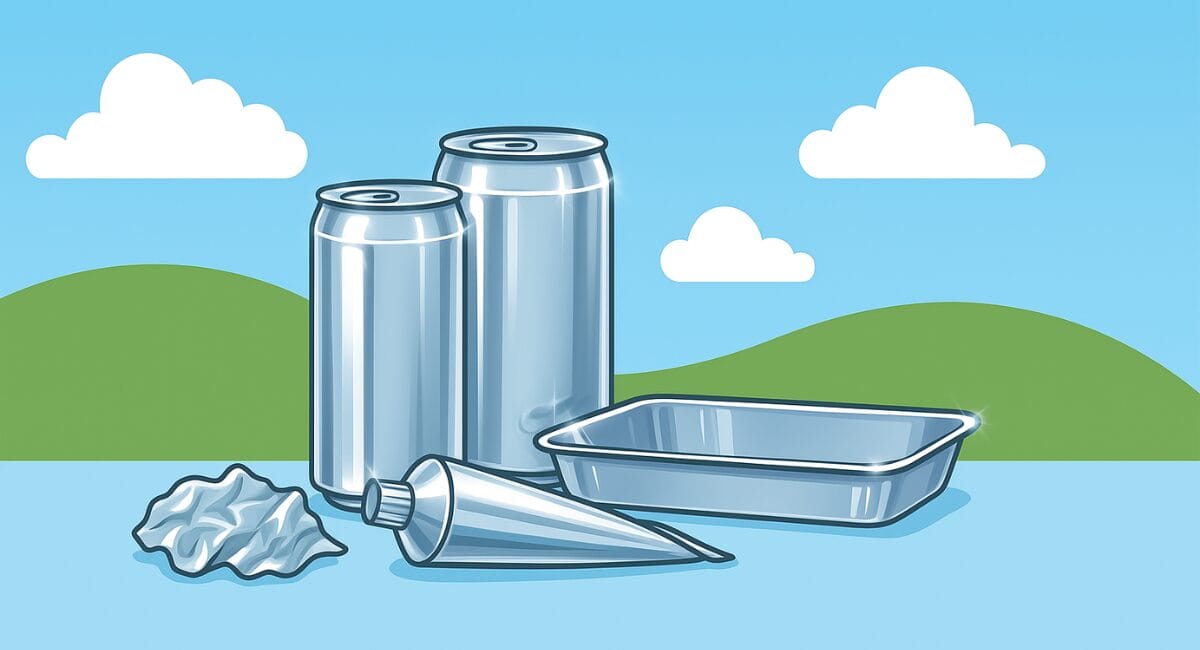
A significant proportion of aluminium scrap in the EU comes from packaging: Beverage cans, trays, tubes and foils can be melted down comparatively easily and to a high quality. Recycling already accounts for around 40 % of European aluminium consumption, which corresponds to around 5 million tonnes. Companies have invested 700 million euros in new or expanded plants in recent years; the installed recycling capacity is around 12 million tonnes. To ensure that packaging remains in circulation in the future, the association is calling for more scrap to be kept in the internal market.

Danger from rising exports
The recent doubling of US tariffs on primary aluminium - scrap is exempt - has fuelled demand for European material. Between January and June 2025, exports to the US increased by almost 200 % compared to the previous year. Around 15 % of EU recycling furnaces have already had to be shut down because there is not enough scrap available. An outflow of packaging scrap, which is essential for a functioning circular economy, would be particularly critical.
Demand for horizontal export levy
European Aluminium is therefore in favour of a „horizontal“ export tax on all aluminium scrap. This is not protectionism, but a correction of unequal competitive conditions that have arisen as a result of third country policies. The aim is to keep packaging scrap and other fractions in Europe, secure investment in recycling technology and significantly improve the industry's carbon footprint.
Source: European Aluminium