THE PACKAGING USER
Raschel closure! Total recycling from 2030
Brussels has spoken, and now it has reached me too: From 2030, all packaging must be recyclable. All of it! That's what it says in the Official Journal, sober as the ingredients list of an industrial waffle. It's called „Design for Recycling“. It sounds like an art seminar in Weimar, but it means that everyday life as we know it will undergo a minor revolution. At least on the supermarket shelf. The bag of crisps, for example: this little marvel made of high-gloss on the outside, aluminium on the inside and mysterious intermediate material that could only be separated cleanly with a welding torch from the space agency. Soon this will be a thing of the past. Mono-material will then be the order of the day. A kind of Bauhaus in the snack segment. „Form follows recycling.“
Apart from the fact that my wife forbids me to eat crisps anyway - regardless of how they are presented: of course it makes sense. Plastic, especially in the popular bag form, is simply out of date. But I admit it: I'm one of those people who thought the rustling of a plastic bag was somehow sexy. What's more, it was also a very useful distinguishing feature - affordable, omnipresent and never to be underestimated as a statement. You walked through the city with it like a fluttering status symbol. If you wanted to, you could immediately recognise your own lifestyle from the print: „Aldi Nord“ meant pragmatism, „Karstadt“ a certain bourgeoisie, and those who liked it particularly sophisticated carried a shiny bag from Gucci or Louis Vuitton through the pedestrian zone and proudly outed themselves as high earners. Or hallodri - as the case may be. Today, jute bags with slogans like „There is no Planet B“ often dangle from the handle of the cargo bike and preach a more responsible lifestyle. Nice. (But they don't make a sexy rustling sound).

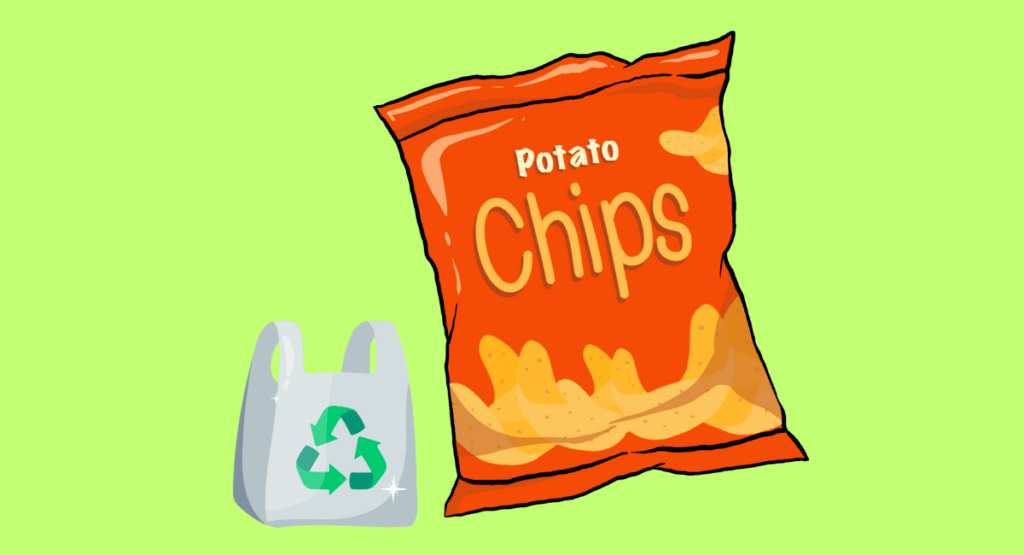
Online retail is also losing some of its magic. The days of oversized boxes in which a simple USB cable was shipped are over. Soon, everything will be fitted to the cubic centimetre. Efficiency beats theatre. We will no longer be digging through layers of foil and crackling paper like archaeologists searching for a fossil to uncover an adapter at the end. Instead: Flap open, product out, end of work.
This is also hitting the cosmetics industry hard. Those cream jars, wrapped in satin, packed in three boxes, wrapped in foil, sealed with a gold ribbon - all history. Soon there will be a naked jar on the shelf, unprotected, pure. And we realise: Aha, the 80-euro cream was just a 20-euro cream in an elaborate costume. Transparency can be so cruel.
My personal pain point concerns the merchandising of my club, FC St. Pauli. You used to get the skull and crossbones shirt in a pitch-black plastic bag, shiny and menacing, as if you had just mutinied on the Bounty yourself. Today: paper. Sustainable and recyclable - rebellion in the waste paper container. I'm not saying that's wrong. But it feels as if anarchy has been given a canteen in the organic market.
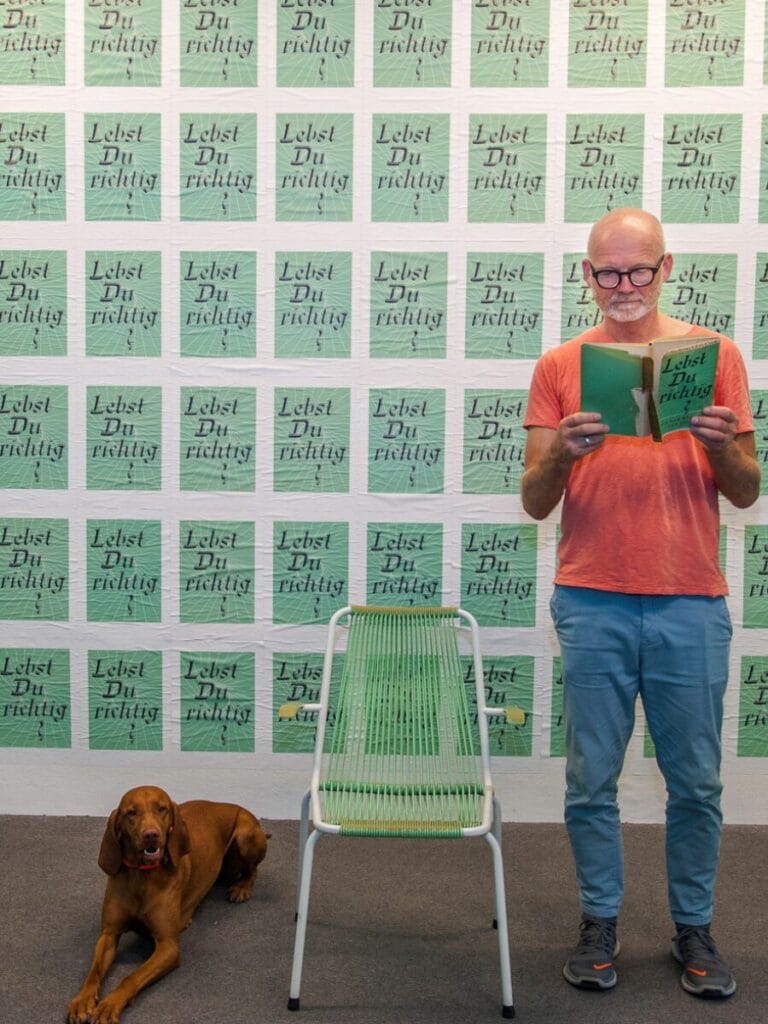
Harald Brown is not a packaging developer, a marketing strategist or a recycling professional - he is Packaging users. Nothing more and nothing less. And that is precisely what makes his perspective so valuable: unembellished, direct and full of everyday observations.
In his column "Let's wrap it up" he describes very personal experiences with boxes, foils, lids and everything that wraps products. Sometimes wonderfully funny, sometimes with a subtle side-swipe, always from the perspective of a consumer.
Anyone who produces, designs or sells packaging gets a refreshing view from the outside - and in the best case a smile.