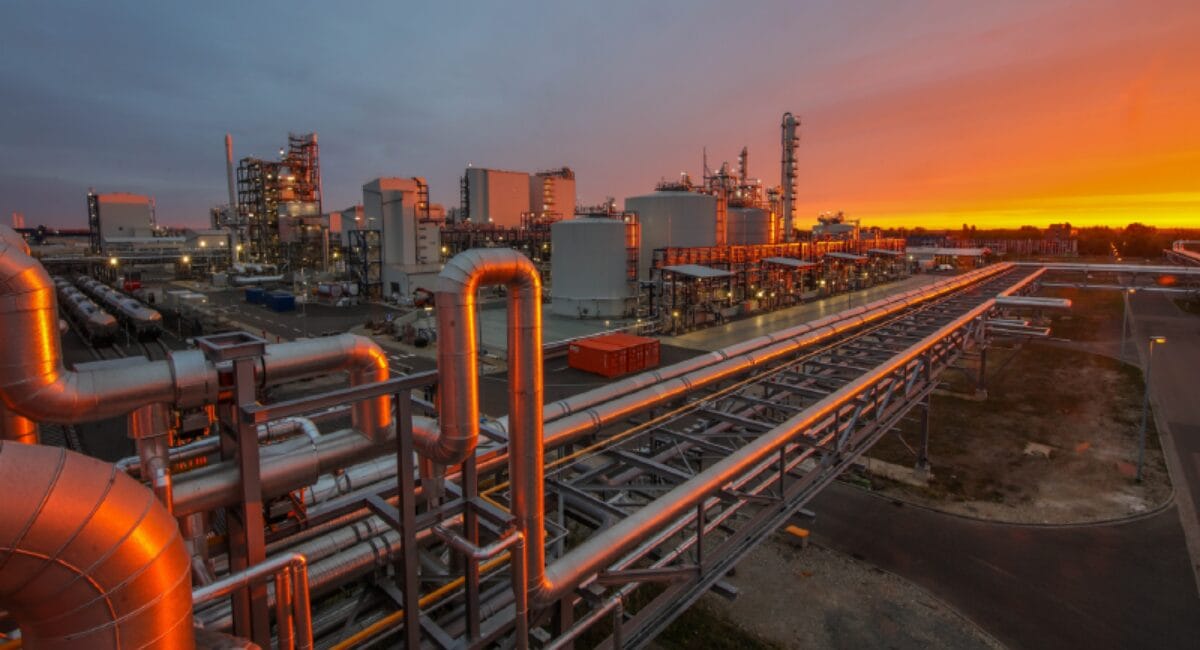
UPM has started production of commercial wood chemicals at its Leuna biorefinery in Germany. According to the company, the start of production marks an important step in the market entry of bio-based alternatives to fossil raw materials.
Following the successful start of the hydrothermal decomposition of wood on an industrial scale earlier this year, the biorefinery has now achieved stable operation in the separation of lignin and sugar. This critical process step is a prerequisite for the conversion of sugar into renewable glycols and of lignin into renewable functional fillers.
According to UPM, the plant will enable the company to enter new markets for sustainable materials. The glycols produced from the sugars could be used in PET packaging, polyester textiles or cosmetic applications, among others. Lignin-based functional fillers are intended as a renewable alternative to carbon black or silica in rubber and plastic applications.

Massimo Reynaudo, President and CEO of UPM, said the refinery in Leuna is a key demonstration of the company's strategy to move innovative bio-based materials from pilot to industrial scale. Achieving this milestone is an important step on the way to full operation of the plant, which is the first of its kind in the world to process wood into bio-based chemicals on an industrial scale.
Further commercial products planned
UPM expects to launch further commercial products from Leuna in the first half of 2026. When fully operational, the biorefinery is expected to produce around 220,000 tonnes of bio-based chemicals per year. These will be based entirely on sustainably sourced hardwood.
The company sees the plant as an important building block for the transition from fossil-based to renewable materials in various industries. The strategic focus is in line with the European Union's goals of decarbonisation and strengthening industrial competitiveness. According to the company, bio-based innovations should contribute to long-term growth and value creation in Europe. The Finnish group invested around 1.3 billion euros in the globally unique plant in central Germany.
Source: UPM