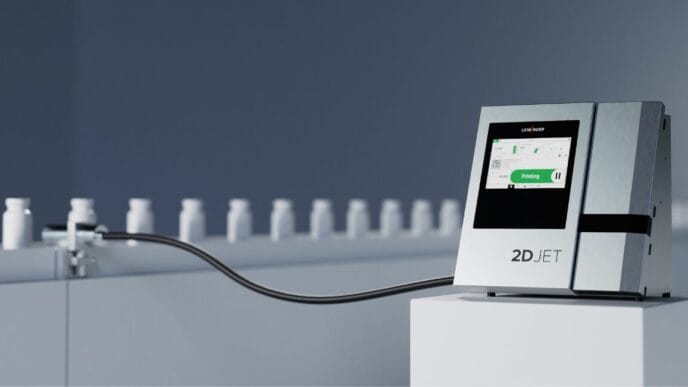
The pharmaceutical industry is one of the most innovative and highest-turnover sectors in the world. The European pharmaceutical market generated sales of around 280 billion US dollars in 2024. Germany is the largest market in Europe and ranks fourth worldwide. At the same time, the importance of intelligent packaging solutions is growing: They need to be safe, efficient and increasingly sustainable.
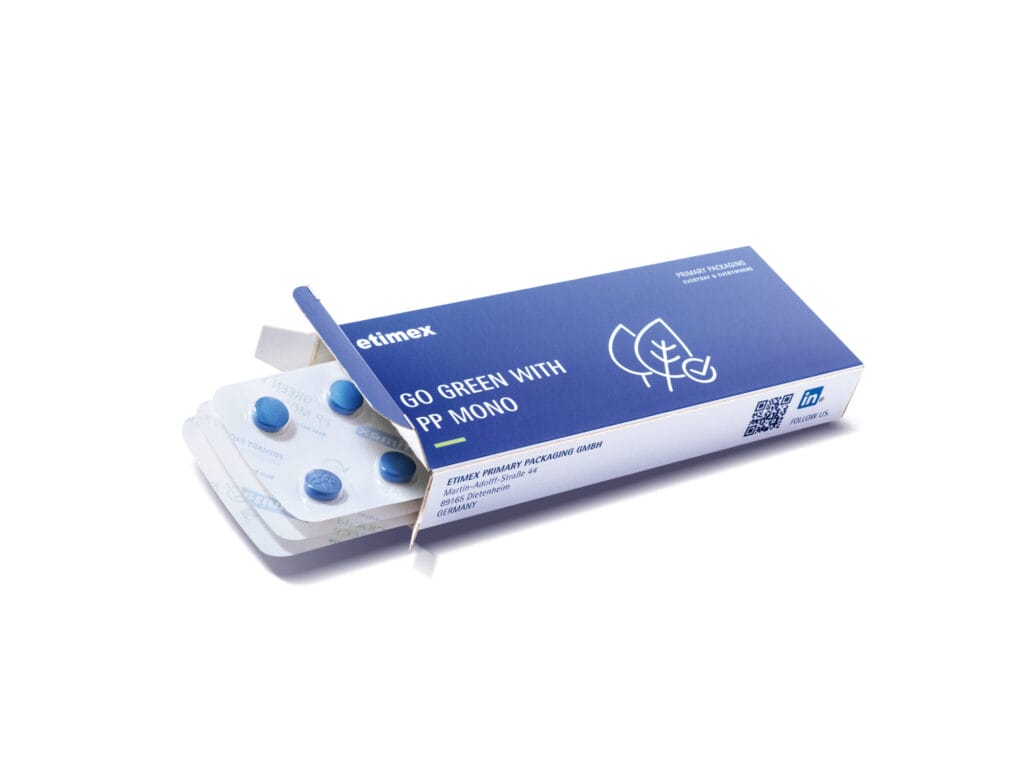
Although pharmaceutical and medical packaging is exempt from the EU packaging regulation PPWR for the time being, foreseeable transition periods until 2035 and 2040 are forcing the industry to develop sustainable alternatives now. One approach is monomaterials for blister packs. In a joint project, for example, four companies - including Uhlmann Pac-Systeme and Etimex - developed a polypropylene blister that was tested for practical suitability under real production conditions.
Many machine manufacturers have not been idle and are focussing on the processing of sustainable packaging materials. Romaco produces blister packs from recyclable PET mono material on its new Noack N 760 plate sealing machine. It achieves a maximum output of up to 150 blisters per minute when producing PET/PET blisters in four-lane operation.

Digitalisation and robotics
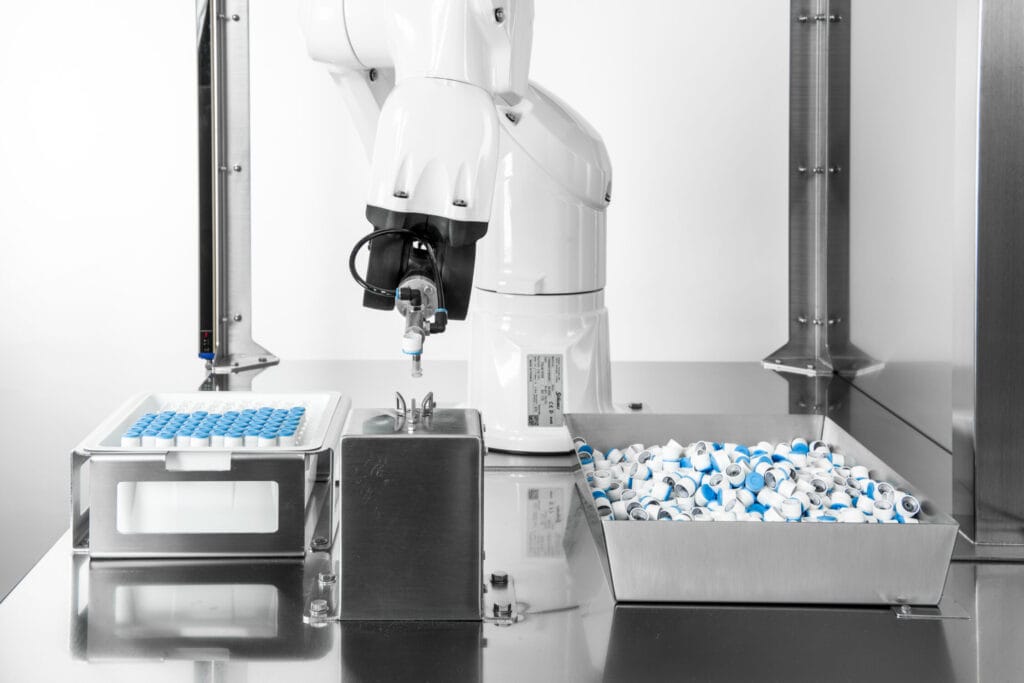
Digitalisation continues to make inroads into pharmaceutical production. Steriline combines robots with a 3D vision system (3D CPS) that reduces particle emissions and replaces traditional feeding systems by adapting movements in real time. This development was created together with the spin-off ISS of the Politecnico di Milano and shows how machine intelligence and pharmaceutical expertise grow together.
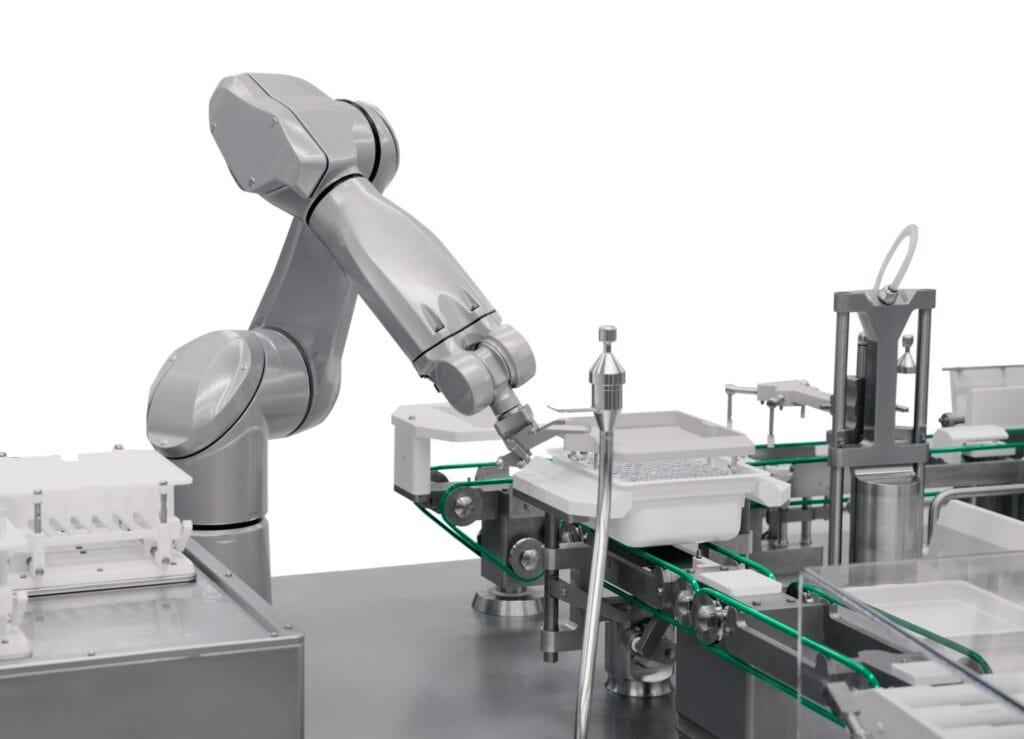
Christ Packing Systems is also focussing on innovation: the Ottobeuren-based company has been granted a patent for a new type of sealing unit that was developed specifically for the requirements of the pharmaceutical and medical technology sectors. Unlike conventional machines, which seal from below, the FilmTeq 250 seals from above. According to the manufacturer, this means that the sealing table remains unheated, which prevents the product from heating up and reduces the amount of cooling required. The top-down process also enables a more compact machine design with a smaller footprint.
Syntegon recently presented the „SynTiso“ line concept, which sets new standards in aseptic filling with 600 vials or syringes per minute. The solution enables up to 50 per cent faster batch changeovers and scores points with 100 per cent in-process control - a speed never before seen on the market, according to Syntegon. The system is also suitable for ready-to-use (RTU) containers and was developed in co-operation with two pharmaceutical companies.
Smart packaging: From NFC to functional labels
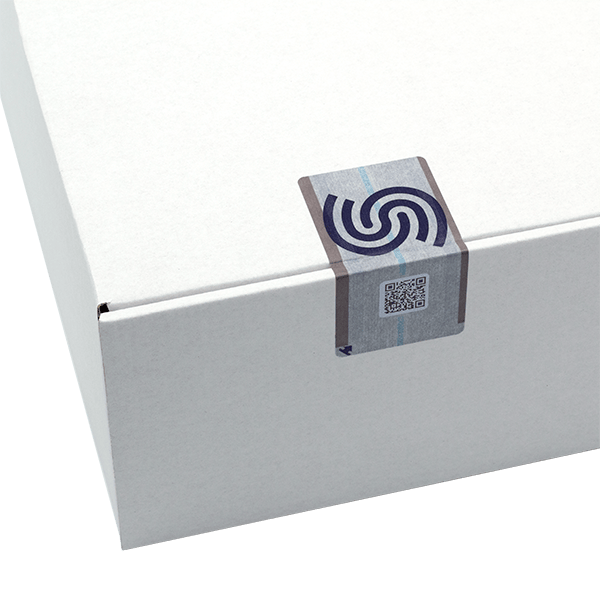
In addition to sustainability, digital functions are playing an increasingly important role: NFC and RFID labels, battery-free Bluetooth sensors and smart blister packs increase transparency and ensure greater safety and convenience during use. Digital package inserts and tamper-proof labels are particularly in demand in the pharmaceutical industry. Security labels such as Securikett's paper-based VOID labels offer important and sustainable tamper protection. In addition to tamper protection, they are recyclable together with the folding box they seal.
One thing is certain: companies that invest in research, digital infrastructure and recyclable materials today will secure competitive advantages in the long term. In future, it will be less about the pure active ingredient and more about how safely, sustainably and intelligently a medicine reaches the patient.
Note:
This article was written on the basis of a technical article produced by packaging journal for free use by interested media on behalf of interpack 2026. You can find the original article here. Find out more about packaging solutions for the pharmaceutical industry live at interpack 2026 from 7 to 13 May in Düsseldorf.