Deutsche Umwelthilfe (DUH) is calling on companies such as Lidl, Aldi and Ikea to switch to reusable pallets when transporting plants. According to EU regulations, reusable pallets will be mandatory from 2030 - high time to act.
The use of disposable pallets for transporting plants is still common practice in retail, despite the availability of alternatives. Major players such as Lidl, Aldi, Edeka and Rewe have so far mainly used disposable transport solutions - with a considerable impact on the environment and resource consumption. Deutsche Umwelthilfe (DUH) is now calling for an immediate switch to reusable pallets, also in view of the EU packaging regulation, which stipulates the use of reusable pallets for internal and intra-company transport from 2030.
High resource consumption despite established systems
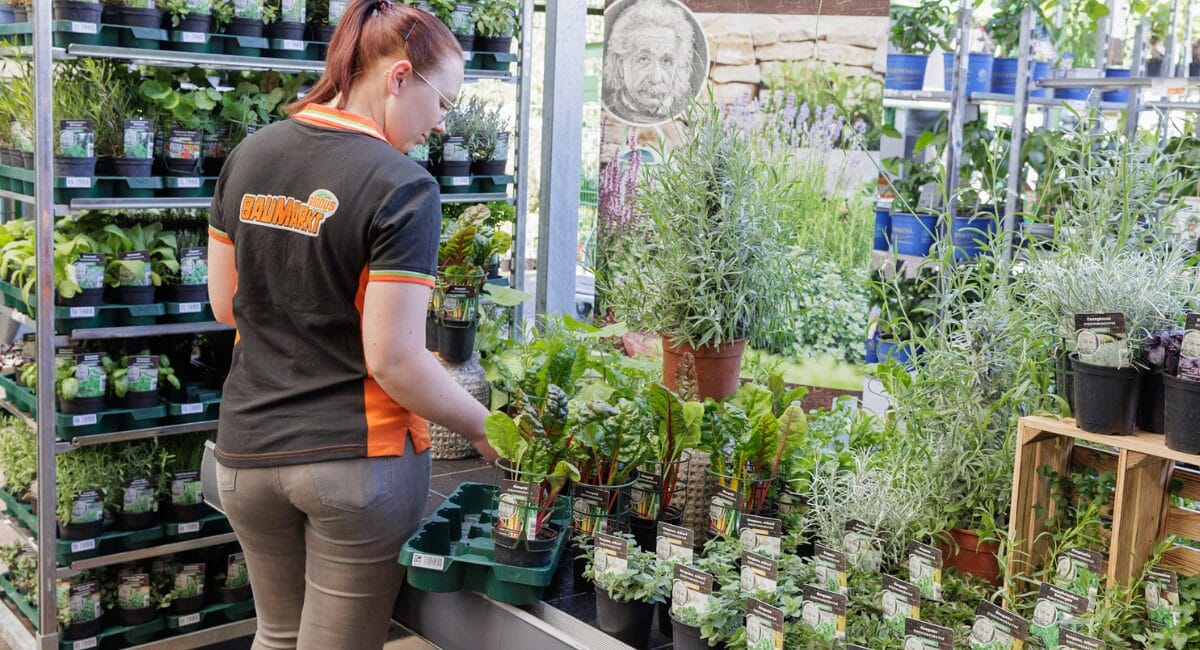
With the Euro Plant Tray (EPT), a Europe-wide reusable system is already available today. However, its utilisation has so far been marginal: Only around five per cent of plant transports are carried out using reusable pallets. According to DUH, the industry uses up to 700 million disposable pallets every year, 150 million of which are used in Germany alone - an avoidable amount of waste that is massively harmful to the environment.

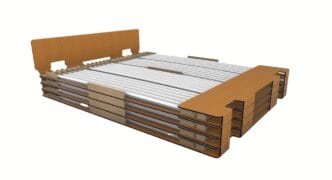
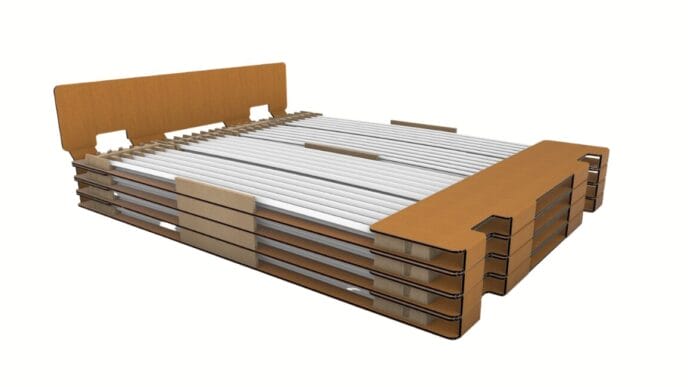
Some companies are already using reusable solutions. Hornbach, for example, has put around two million pallets from the EPT system into operation. Globus and Bellaflora are also stepping up their use. In contrast, Ikea has been criticised: the company continues to use single-use cardboard solutions, although these are unsuitable for moist plants in particular and are anything but sustainable, according to DUH representative Thomas Fischer.
Reusable as an ecological and economical solution
Switching to reusable packaging has several advantages: less waste, lower CO₂ emissions (up to 30 per cent less), conservation of resources and an economically attractive alternative to disposable solutions. Nevertheless, it is necessary to act now in order to be fully equipped by 2030.
Source: DUH