On 11 February 2026 in Berlin, the Federal Cabinet adopted the draft for a new Packaging Law Implementation Act (VerpackDG). With this law, the German government is transposing the European Packaging Ordinance (PPWR) into national law and, among other things, tightening requirements for waste prevention, recycling quotas and the authorisation of manufacturers and disposal organisations.
The new law replaces the previous Packaging Act (VerpackG) in order to ensure smooth interaction with the EU Packaging Regulation from August 2026. Existing structures in German packaging law are to be maintained and further developed.
Extended authorisation requirements for manufacturers and organisations
In future, not only dual systems that are responsible for the household collection of packaging waste via the yellow bin or yellow bag will require authorisation. The EU Packaging Ordinance (PPWR) requires that all organisations that assume extended producer responsibility for several producers must also be approved.

Manufacturers who have not joined such an organisation must apply for individual approval. An automated procedure with as little bureaucracy as possible is planned at the Central Agency Packaging Register (ZSVR). In future, this will also be co-financed by the newly included players. Until now, funding has been provided exclusively by dual systems and operators of industry solutions. Corresponding supplementary regulations on financing are part of the draft law.
Mandatory waste prevention measures
One key innovation concerns waste prevention. Certain players - including dual systems, industry solutions, other producer responsibility organisations and unrepresented producers - will in future have to dedicate a minimum proportion of their budget to packaging waste prevention measures.
In particular, measures are planned to strengthen reusable packaging and refill systems. This could include, for example, start-up funding for new reusable systems or information campaigns on the use of reusable packaging. The aim is to reduce the amount of single-use packaging and promote circular models.
Higher recycling rates from 2028
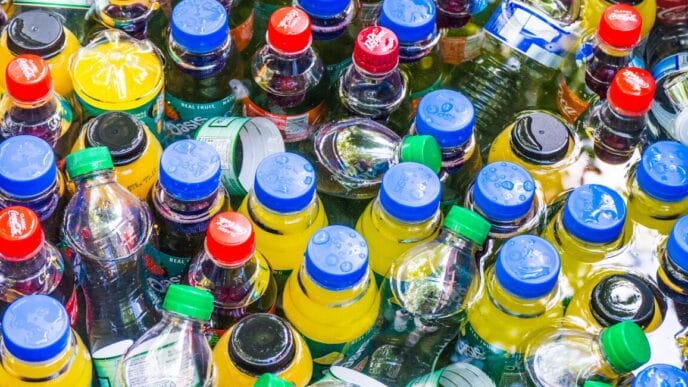
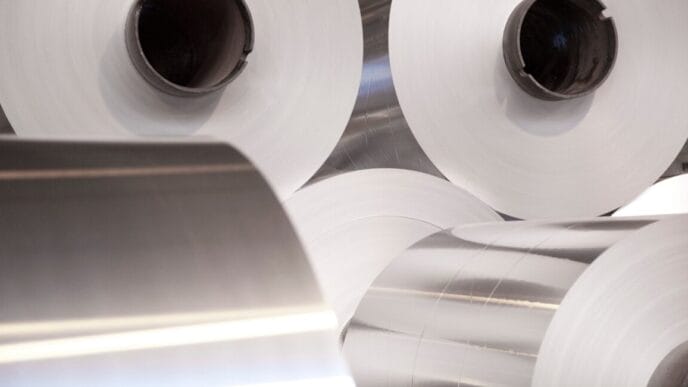
The Packaging Law Implementation Act also provides for an increase in recycling quotas for certain materials. From 2028, the quotas for aluminium and ferrous metals will increase by five percentage points to 95% each.
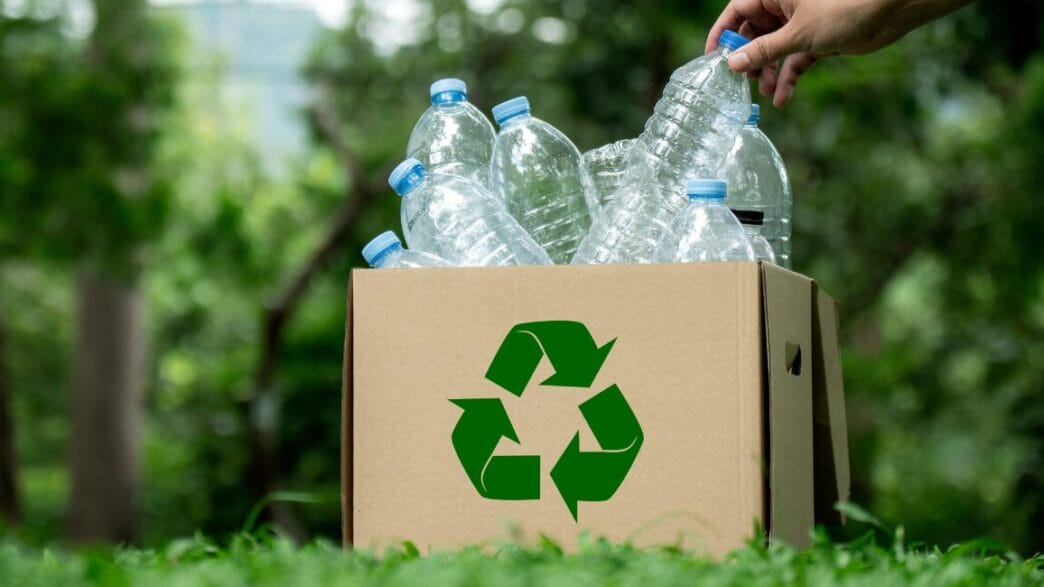
The previous recovery rate for plastic packaging will be replaced by a recycling rate of 75 per cent. Of this, 70 per cent must be materially recycled, which corresponds to an increase of five percentage points compared to the previous material quota. The increased overall quota can be met by both mechanical and other recycling processes. This should further reduce the proportion of plastics that are utilised in waste incineration plants to generate energy.
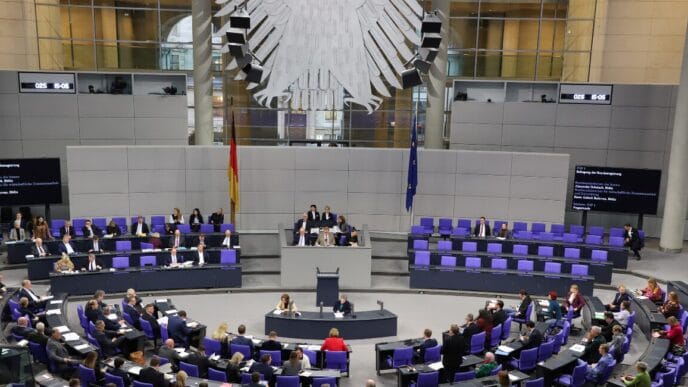
The cabinet decision is now followed by notification under European law. The Bundestag must then pass the law and the Bundesrat will also be involved.
Source: Federal Ministry for the Environment, Climate Protection, Nature Conservation and Nuclear Safety (BMUKN)