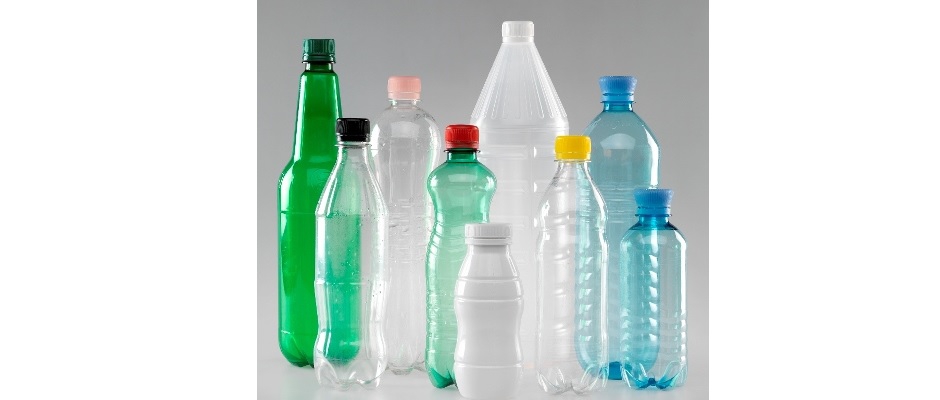
Dr Frank Welle from the Fraunhofer Institute for Process Engineering and Packaging IVV on prejudices against PET packaging and the image and opportunities of this packaging material.
PET is now more popular than ever as a packaging material. However, consumers still harbour persistent prejudices against the plastic. For Frank Welle, Deputy Head of the „Product Safety and Analytics“ department at the Fraunhofer Institute for Process Engineering and Packaging IVV, more bottle-to-bottle recycling in particular is the way to a better image.

Dr Frank Welle is an expert in the field of packaging technology and specialises in the topic of Recycling of recyclable materials. He has been working in the Packaging Division at the Fraunhofer Institute for Process Engineering and Packaging IVV since 1997. He is involved in the development and optimisation of packaging materials.

pj: Mr Welle, more than 80 per cent of all non-alcoholic drinks in Germany are sold in PET beverage containers. Disposable PET in particular is rising in consumer favour. How do you explain the resentment that still exists among the population?
Dr Frank Welle: To this day, there is a prejudice that PET contains harmful bisphenol A or plasticisers. This is the subject of much debate, especially among expectant mothers. However, there is no scientific basis for these concerns. The fact that disposable PET bottles feel softer is solely due to the fact that the bottle wall is thinner. Incidentally, this makes the bottles lighter, which is good for transport and is more environmentally friendly. Life cycle assessment This type of packaging even has an advantage over heavier glass bottles.
pj: Against this background, what is your personal assessment of PET and its development?
Dr Frank WellePET is certainly a good packaging material. It is not without reason that consumers have been buying more and more drinks in PET bottles over the last two decades. It is undisputed that the preference for non-returnable PET bottles is reducing the proportion of returnable bottles. It was and is therefore important to further establish PET recycling.
pj: What is your conclusion?
Dr Frank Welle: Today 98 per cent of PET bottles recycled - 98 per cent, that's a very high figure. You can't really expect consumers to return all PET bottles to the deposit machines in the shops. A large proportion of the material is processed into new PET bottles. However, the public does not realise this - nor does it realise that the majority of this happens in Germany itself and not in the Far East. Disposable bottles are portrayed in the media as part of our throwaway culture. However, this does not apply to the German PET cycle at all.
pj: Given all the criticism, the increase in PET beverage containers is actually surprising. Why do you think the material is so successful?
Dr Frank WelleYou have to look at it from different angles: Packaging developers appreciate the good barrier properties and the very low migration of packaging materials into drinks. Beverage bottlers benefit from the material's transparency and variety of shapes. From the consumer's point of view, it is the low weight, the almost unbreakable nature and the good transportability. And ultimately, all groups also benefit from the good recyclability.
pj: Nevertheless, glass still has the better image.
Dr Frank Welle: This is true, but partly unfounded. Reusable PET in particular, and even disposable PET in some cases, is already better or equivalent to glass beverage bottles in terms of life cycle assessment. The advantage of glass lies more in its perfect barrier, good recyclability and extremely low migration of gases. But there is no such thing as zero migration, even with glass. That is a misconception. In any case, the glass/PET discussion should not be limited to the bottle. Every bottle has a closure made of metal or plastic - including glass. In the end, the entire packaging counts in the ecological assessment.
pj: Nevertheless, just take a look at PET. How can PET get rid of its image problem?
Dr Frank WellePET is now largely made from crude oil - like all plastics. This is indeed a shortcoming. This makes it all the more important for companies and consumers to handle this recyclable material responsibly. Producing PET from renewable raw materials is certainly an enrichment that scores points with consumers. There are already very promising solutions for so-called bio-PET packaging. Their share just needs to continue to grow.
pj: What about recycling in general?
Dr Frank WelleI've already said it: the rate in Germany is very, very high. We have a largely closed cycle that eliminates the waste problem and prevents the so-called Bottle-to-bottle recycling is very beneficial. Incidentally, this is due to the mandatory deposit on disposable PET bottles. This was actually intended to promote the reusable system. The returned PET bottles are an ideal source material for recycling. PET is virtually unmixed and very clean, making it ideal for reprocessing into beverage packaging. Germany is a pioneer here.
pj: But there are certainly challenges for future recycling?
Dr Frank WelleYes, certainly. The challenge lies first and foremost with the recycling companies themselves. As with every type of recycling, recyclers don't know what to expect tomorrow in the collection of recyclable materials. They have to check the incoming material and constantly adjust their own processes accordingly. Thanks to the virtually unmixed collection in Germany, the conditions for efficient recycling processes in this country are ideal. And this is a great advantage for further progress in recycling - and ultimately also for the reputation of PET among consumers.
pj: Which one?
Dr Frank WelleRecycling companies that recycle PET bottles into new bottles must be authorised by the European Food Safety Authority (EFSA). The assessment focuses on cleaning efficiency, consumer protection and quality assurance. Each company is examined individually. This individual authorisation only exists in this form for PET bottles. EFSA has now assessed and evaluated around 100 recycling processes on our continent. In almost all cases, the recycling processes that produce new PET bottles from 100 per cent recycled material have been approved. The recyclers have obviously done their homework. A PET bottle made from 100 per cent recycled material is not a dream of the future, but is already feasible today.