The packaging industry is constantly changing. Many suppliers are currently asking themselves how food can be packaged in a way that minimises the impact on the environment. One ambitious approach is to halve the weight of the packaging. In the Netherlands, Omori Europe has been demonstrating for several years that this is possible.
In Germany, at the latest since the introduction of the Packaging Act At the beginning of the year, awareness of resource-saving, easily recyclable packaging increased. The aim of this law is to encourage the industry to use packaging materials sparingly in the production process. Distributors must register the packaging they put into circulation with the Central Agency Packaging Register and also licence the respective material fractions with a dual system. The primary objective is to avoid or reduce the environmental impact of packaging. Where possible, packaging waste should be recycled.
The regulations of the Packaging Act are a major challenge for food manufacturers in particular. They must also Hygiene regulations and are therefore reliant on packaging many of their products in plastic. The production of meat and cheese in particular is already very resource-intensive. The Environmental pollution are added by the packaging. Packaging should therefore be used as sparingly as possible.

Country-specific differences in food packaging
There are certainly country-specific differences in the packaging of food. In Germany, for example, sliced cheese and meat products are often still packaged in Thermoformed packaging offered. In contrast, our western neighbours in the Netherlands have been offering resealable packaging in supermarkets for years. Flowpack-packaging. Large retail chains such as Albert Heijn, Aldi and Jumbo support this concept.
A leading supplier of packaging machines for resealable flowpacks is Omori Europe from Oldenzaal in the Netherlands. Omori presented its innovative SeloPack™ concept for the German market at FachPack 2019.
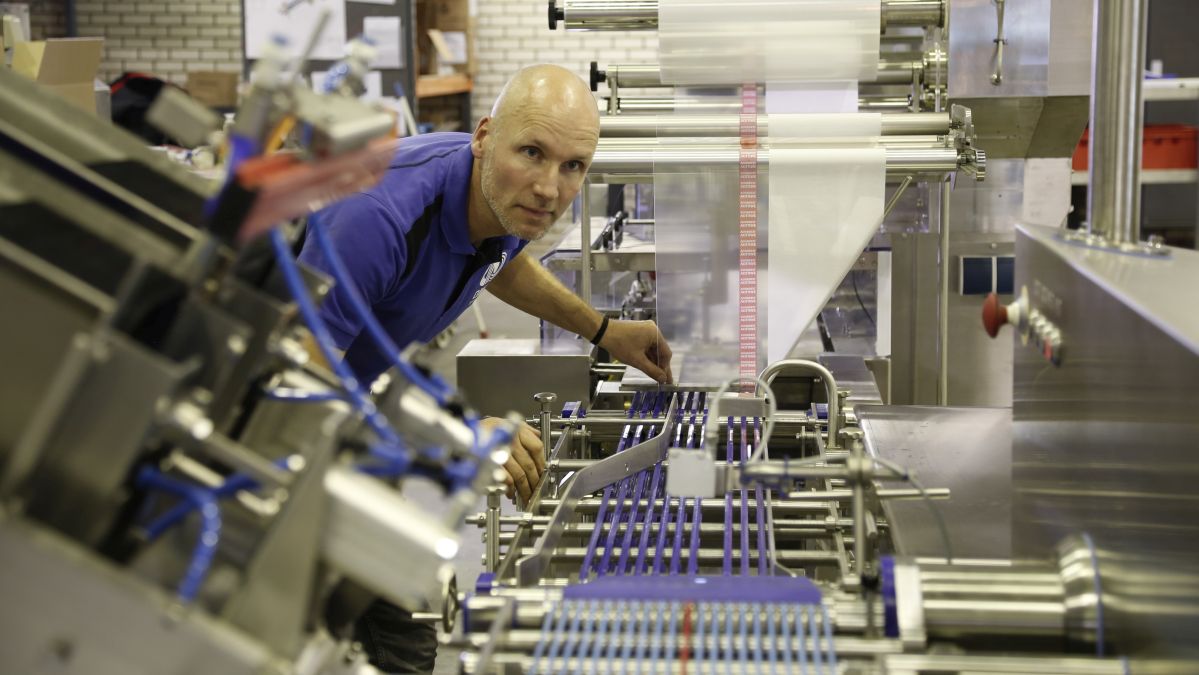
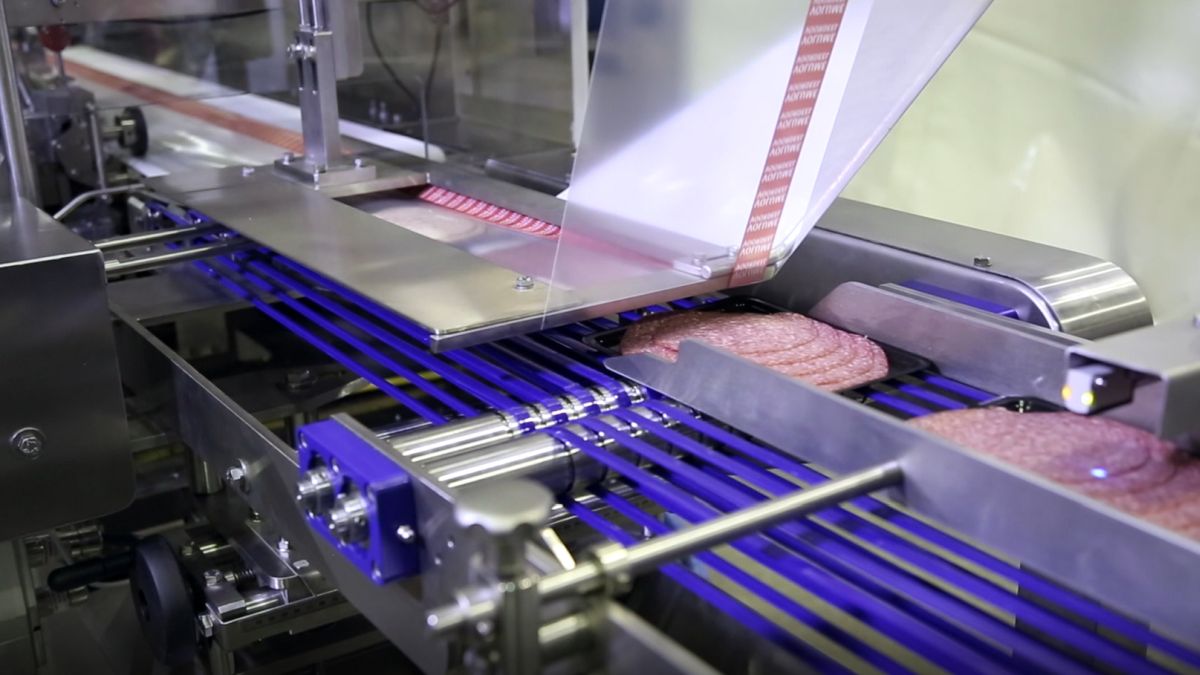
Flowpackers for the resealable SeloPack packaging for sliced cheese and meat products have been produced at the Omori site in Oldenzaal since 1998. The special packaging concept is characterised by a special Sealing technology out. This ensures that the flowpacks remain airtight even at high processing speeds. This ensures high product quality. Food that is packed with SeloPack packaged foods keep for longer. Food waste is reduced and the packaging is easy to open for young and old alike.
High flexibility for format changes
Omori emphasises the energy-saving and resource-saving operation of its machines for SeloPack packaging thanks to an on-demand function. The compact Packaging line is easy to operate with few personnel and offers a high degree of flexibility for format changeovers. Foils can be changed more quickly than with comparable systems. Maintenance is also easy.
According to the manufacturer, however, the SeloPack concept scores particularly highly due to its economical use of resources. Packaging films. This is directly noticeable for German customers in the form of lower licence costs in accordance with the German Packaging Act and also results in lower costs later on. Logistics costs for the lighter packaging.
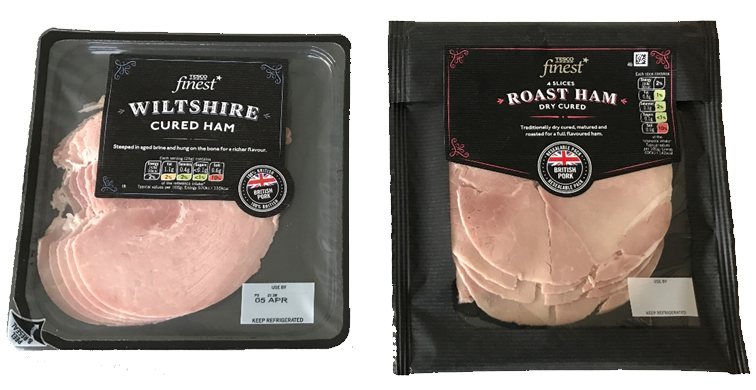
Omori uses an example calculation to illustrate the cost advantage. A resealable SeloPack package weighs around ten grams. Conventional thermoformed packaging, on the other hand, weighs about twice as much at around 20 grams. If 100 packs per minute are produced eight hours a day, 250 days a year, 240,000 kilograms of plastic are produced in one year with a thermoforming machine. As the Omori flowpacker only requires half of the packaging material, this logically results in 120,000 kilograms of plastic. According to Omori, one tonne of plastic costs around 550 euros according to the regulations of the German Packaging Act. While the costs for thermoformed packaging amount to 132,000 euros per year in Omori's calculation, they only amount to 66,000 euros per year for flowpack packaging.
The arguments in favour of SeloPack have already convinced many of Omori's customers. The British supplier of meat products Walkers ordered six Omori HFFS flowpack lines and replaced the thermoforming packaging machines he had previously used. As a result, he achieved the same packaging output as before, but reduced plastic consumption by the expected 50 per cent. Energy costs also fell by the same amount, from 20,000 to 10,000 kilowatt hours per month.
[infotext icon]Selo became Omori Europe
Until 2015, Omori Europe was known as Selo at its Oldenzaal site. Selo had been in partnership with the Japanese packaging machine specialist Omori since the 1980s and sold its flowpackers, among other things. Omori has since acquired shares in Selo and founded Omori Europe. Selo has since relocated its headquarters to Hengelo.
http://www.omori.eu