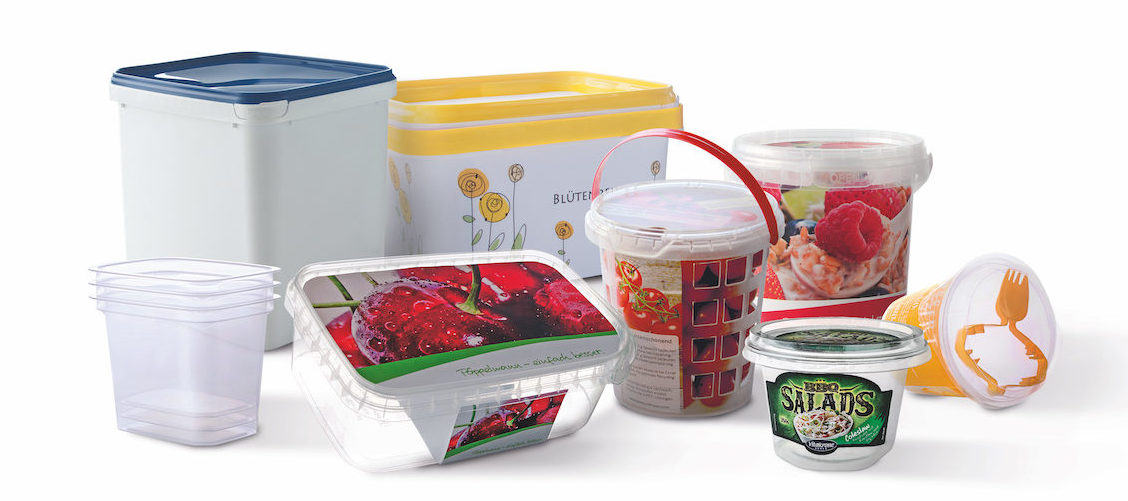
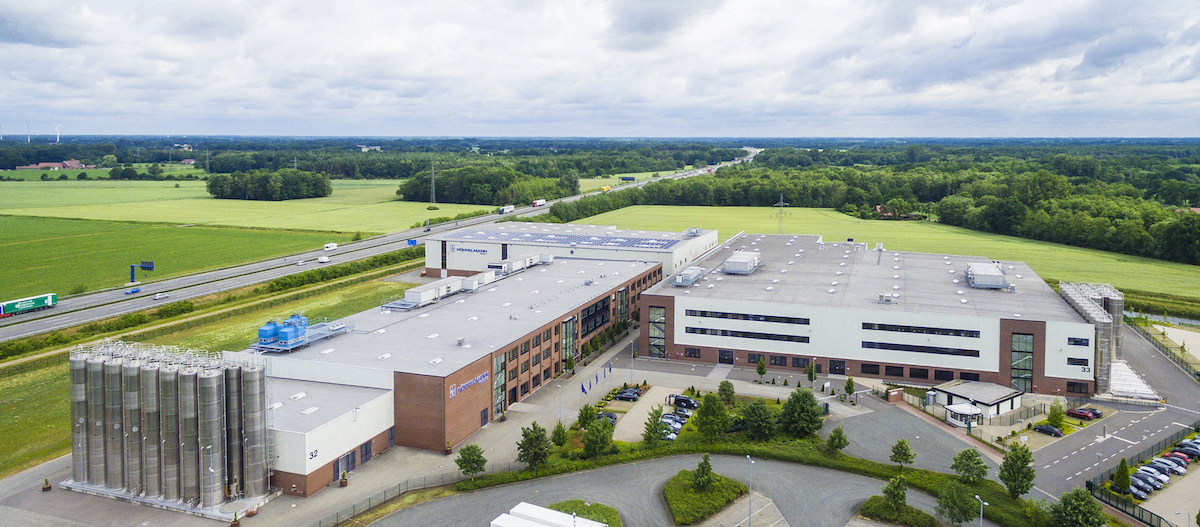
Since 1949, the family-owned company Pöppelmann, which now employs more than 2,500 people at five production sites worldwide, has been creating concrete added value for customers in over 90 countries. Founded in a chicken coop on his parents' farm in Lohne, the company has developed rapidly over the course of seven decades to become one of Europe's leading plastics processors.
If you live in the Oldenburger Münsterland region from „Lohner Wind“ is referring to the entrepreneurial spirit that has always characterised the people of this city. One of them was Josef Pöppelmann (1928-1983): He founded a cork factory in the Brockdorf district of Lohn in 1949. His pioneering spirit and drive formed the foundation of an impressive family business. His wife Gertrud, who was actively involved, passed away in 2009. third generation assumed responsibility as a shareholder in the family business.
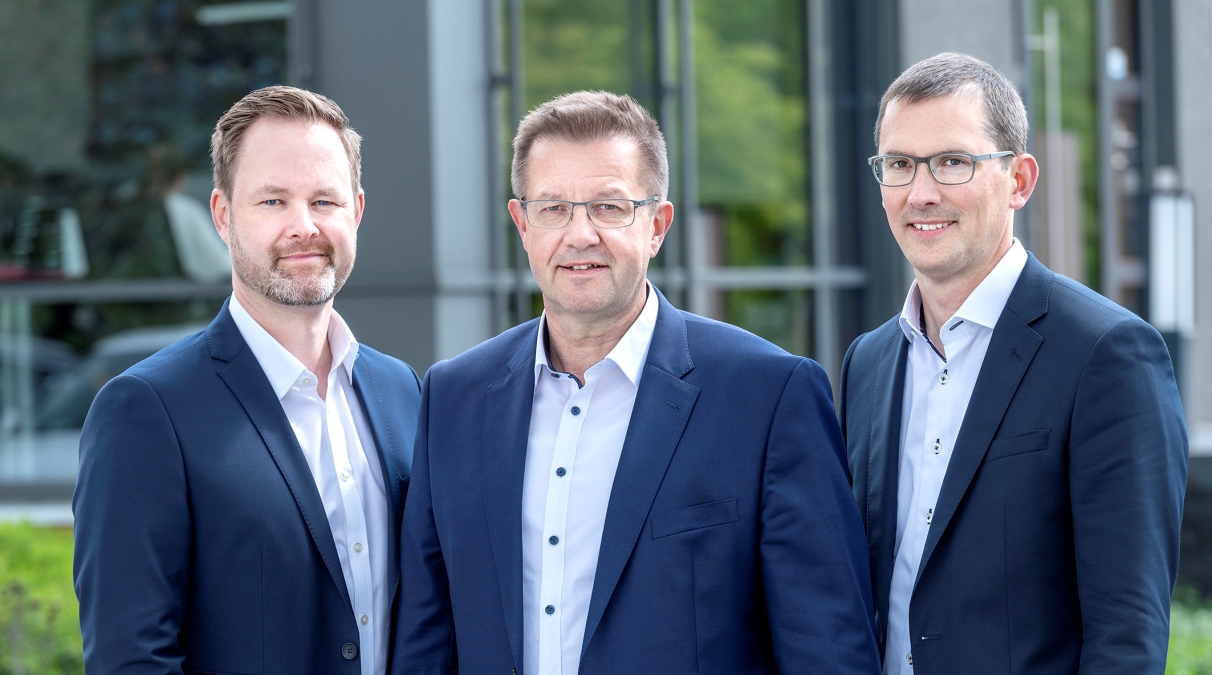
With over 600 injection moulding machines, thermoforming systems and extruders, Pöppelmann is one of the most important employers in the region. Today, Norbert Nobbe, Matthias Lesch and Henk Gövert are at the helm of the company as equal managing directors.

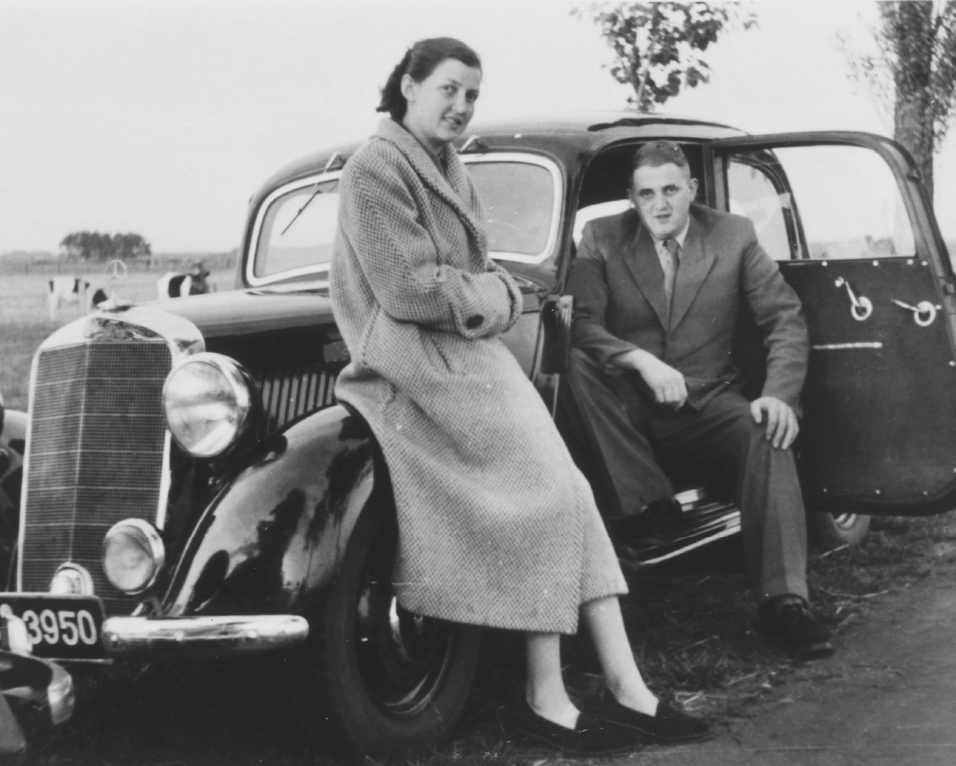
(Image: Pöppelmann)
70 years of Pöppelmann - a look back
In February 1949, the brothers Joseph and Hubert Pöppelmann submitted an „application for authorisation to open a cork factory“ to the town council in Lohne, Lower Saxony. The chosen industry had a long tradition in the town: since around 1870, Lohne had been known as the Stronghold of cork processing. At the beginning of the 19th century, every second bottle cork used in Germany came from Lohne. This also included the first products from the pöppelmann factory: bottle stoppers made of cork, produced on a hand-cutting machine.
In 1955, the The age of plasticsThe company founder invested in the company's first injection moulding machine at the Hannover Messe. Plastic thus found its way into production. With his first injection moulded product, he combined the familiar material with the new one: the company used it to produce grip caps for bottle corks. „Pöppelmann thus laid the foundations for today's four business areas,“ explains Managing Director Norbert Nobbe.
This development began in 1955 with the KAPSTO® Assortment. „KAPSTO® stands for caps and plugs. These products protect sensitive components during production, storage and transport,“ he adds.

Utilising new market opportunities
The experience gained with plastic over the years has deepened the company's expertise in working with this versatile and durable material. In true „Pöppelmann style“, this was always a driving force for the expansion of activities to meet ever new requirements and market opportunities. At a time when the term „innovation“ was barely familiar, it was already characterising the thoughts and actions of those responsible in the company.
„This type of approach to tasks has a long tradition at Pöppelmann: we switched from cork to plastic. We have built up new business areas, and we have also withdrawn from some business areas. Our organisation, our processes, our technologies, our products - our entire company has constantly changed and adapted to market conditions.“
Matthias Lesch, Managing Director
This was also the case in 1962: After the company's own toolmaking department (now the Tool Technology Centre) had been continuously expanded, Pöppelmann offered the proven KAPSTO® Programme for the first time more complicated technical injection moulded parts on. This was the birth of today's Pöppelmann K-TECH division®, now a leading supplier to the automotive industry.
TEKU® lays the foundation for PÖPPELMANN blue®
Finally, in 1969, the company entered the production of Plastic plant pots as an alternative to the usual clay plant pots. The Pöppelmann TEKU business unit was created®, today the global market leader for pots, trays and customised solutions for commercial horticulture.
What nobody could have guessed in the early years: The experience that the TEKU® team with the processing of recyclates (plastic waste from industrial production) were a fundamental approach to the founding of the company-wide PÖPPELMANN blue initiative in 2018.®.
Packaging and functional parts from FAMAC®
The Pöppelmann FAMAC division is also working on new sustainability solutions.® refined: In this fourth division, which has existed since 1998, the company produces packaging and functional parts for the food, pharmaceutical and cosmetics industries as well as the medical technology sector.
FAMAC Sales Manager Marco von Döllen can point to a recent success for sustainable concepts in the packaging sector: At the FachPack 2019 the non-food universal packaging made from post-consumer recyclates developed in the division was honoured with the German Packaging Award in Gold.
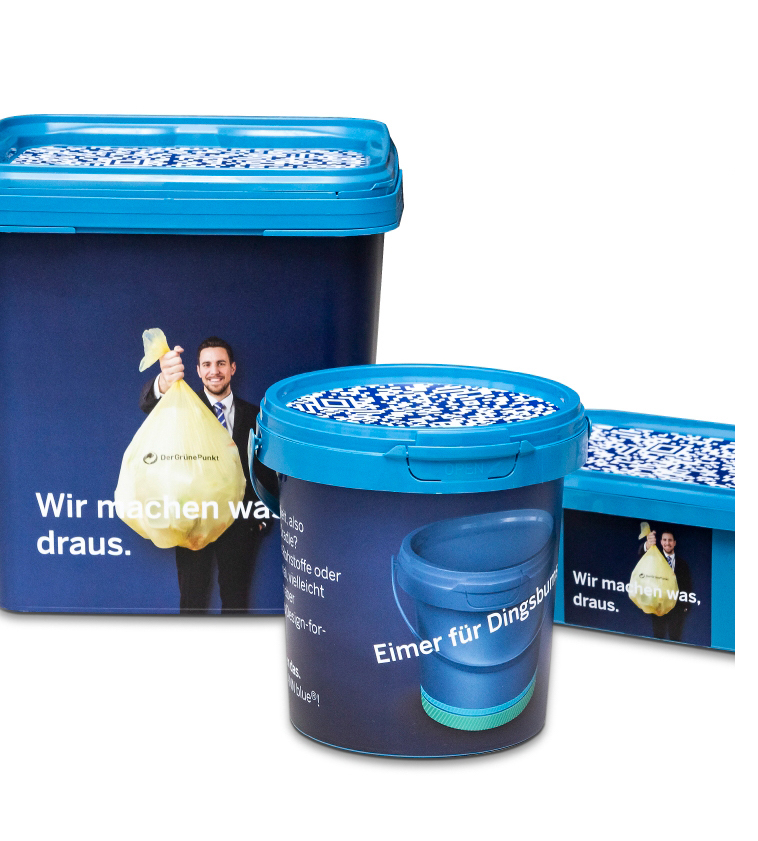
Marco von Döllen explains the product benefits: „Our resource-saving packaging can be customised to meet individual customer requirements and can be produced in various sizes and formats as cups, buckets or trays. The packaging in the Recycling Blue colour is made from over 90 percent recycled plastic from the Dual System collection.“ This packaging was also developed as part of the PÖPPELMANN blue initiative.® developed.
The FAMAC® Sales Manager emphasises: „Pöppelmann customers can rely on the many years of experience and expertise of our teams, from the classic rectangular bowl to the excellent ‚Göffel‘ folding cutlery. In doing so, we face up to the ever faster developments in the markets and realise Products for the food and non-food industry. We offer short development times, targeted product optimisation and reliable process planning.“
Injection moulded products from the clean room
Since 2004, FAMAC has been manufacturing® Laboratory vessels and other products as well as complex assemblies for the medical and pharmaceutical industry under clean room conditions, including the respective primary packaging if required. Production takes place in two cleanrooms in accordance with DIN EN ISO 14644 Class 7 and GMP Standard - C with Separate air conditioning and filter system.
A certified Quality and hygiene management system offer additional security. The processes are secure, as recently demonstrated by the recertification of the FAMAC® management system in accordance with the „BRC Packaging“ food safety standard. The Pöppelmann Division was awarded the highest level „Double A“ for announced audits.

Faster to series maturity
The In-house toolmaking also makes it possible to work with test and pre-series moulds. Thanks to rapid prototyping using stereolithography, selective laser sintering and PolyJet matrix technology, FAMAC® The company provides customised test samples in various materials at an early stage of development. „Following an enquiry from a customer, we can offer a prototype for testing the desired functions within hours,“ explains Jörg Wilke, Head of Development at FAMAC®.
[infotext]Development milestones
1955: First plastic injection moulding machine.
1957: Establishment of KAPSTO®Caps and plugs for industrial applications.
1962: Introduction of the K-TECH®programme: high-precision technical plastic injection-moulded parts.
1966: First foreign branch in Mulhouse, Rue du Rhin (France).
1970: The TEKU® -programme starts with the production of the first flower pots.
1998: Development of FAMAC® - Functional parts and packaging.
2004: Commissioning of clean room production.
2014: FAMAC® expands its cleanroom capacities.
2018: The company founds the PÖPPELMANN blue initiative®.
2019: The 1,500th apprentice since the company was founded begins his career.
2019: The company publishes its first sustainability report based on the GRI standard[/infotext]
Responsibility for future generations
With the international production sites in Rixheim/France and Claremont/USA as well as subsidiaries in the Czech Republic, Spain, Denmark, Italy, Poland and Romania, Pöppelmann is present in plastics processing throughout Europe. The company actively accepts its responsibility for sustainable plastics processing. To this end
„In the PÖPPELMANN blue initiative® the teams of experts involved are developing solutions to maximise the use of post-consumer recyclates (PCR) in the manufacture of a product with the aim of ensuring that the material is recycled at the same quality level through the way it is designed. After all, the material cycle can only be closed if a product made from recycled plastic is itself recyclable.“
Benjamin Kampmann, Technology Scout
It therefore made sense for Pöppelmann to support two major initiatives that aim to promote the circular economy: the company management signed the New Plastics Economy Global Commitment of the Ellen MacArthur Foundation and the Europe-wide industry alliance Circular Plastics Alliance.
„The objectives of both initiatives fit very well with our corporate policy and, in particular, with the product concepts for the material cycle that we have already developed in our corporate initiative PÖPPELMANN blue® develop,“ explains Matthias Lesch.