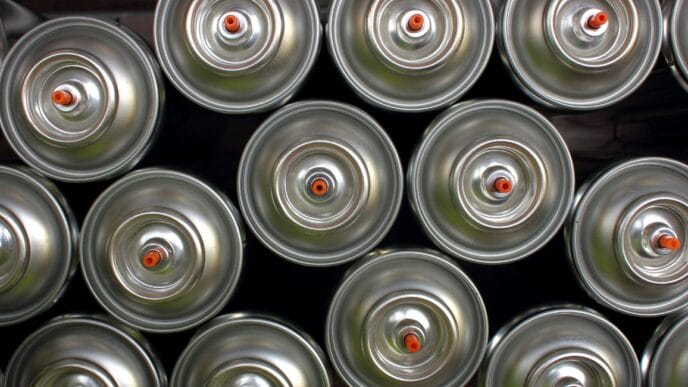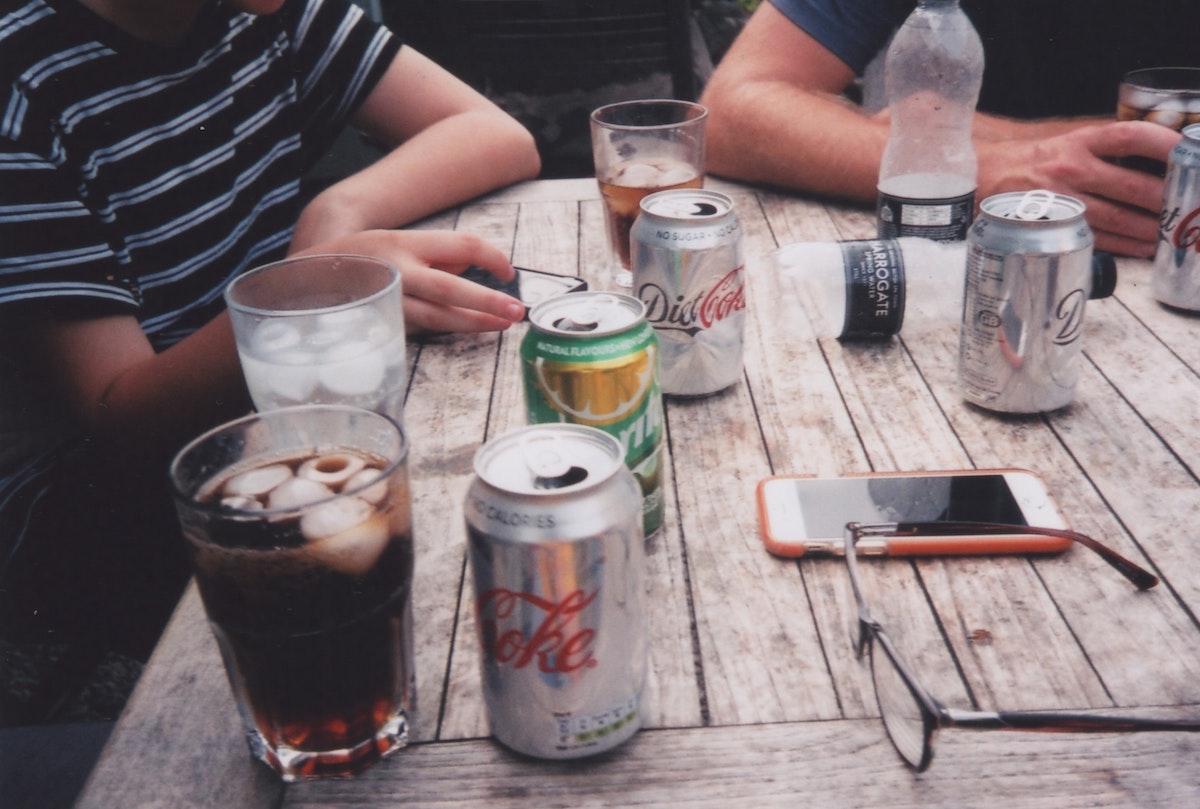
The beverage can is more popular in Germany than it has been for a long time. In summer 2019, sales rose by 10 per cent to almost four billion units - the highest level in 17 years.
It is light, the recycling champion among beverage packaging and particularly popular in summer: after the beverage can largely disappeared from the market in 2005 with only 100 million sold, it is now increasingly returning to the shelves. About 3.9 billion cans were sold in 2019 sold in Germany - that corresponds to a Plus of ten per cent compared to 2018 and is the highest value in 17 years.
„The beverage can also has many advantages from an environmental point of view: Less packaging, high protection for light-sensitive foods, a good transport balance and top recycling rates.“
Stephan Rösgen, Managing Director of Forum Getränkedose
So out of a total weight of 100 per cent, only three per cent packaging and 97 per cent product. The recycling rate for beverage cans in Germany is over 99 per cent and the wall thickness of a beverage can is now thinner than that of a human hair.

The trend of the summer? Wine in cans
The can cools its contents quickly, is handy and space-saving and is particularly popular in the summer months. July was again the month with the highest sales in 2019. In addition to the classic canned drinks Increasingly wine-based beverages are bottled in cansSales here rose by 22.6 per cent to 29.8 million units in 2019.
„The beverage can has excellent product properties, but that's not the only reason why it is becoming increasingly popular. The beverage can has caught up in terms of sustainability in particular: with a recycling rate of 99.1 per cent, it is the recycling champion among beverage packaging in Germany and its transport balance is often better than that of individual bottles in the reusable sector,“ says Stephan Rösgen.
When the drinks can becomes an electric car
Overall, the upward trend for cans has continued steadily since the introduction of the standardised deposit system in 2006. Thanks to the deposit system almost all beverage cans back into the circular economy, This means that an aluminium can can be turned back into a drinks can or a vehicle part for an electric car, for example, without any loss of quality - and not just once, but again and again. While sales figures are rising, energy and material consumption are falling: since 1990, the aluminium industry has reduced its total direct consumption of aluminium. CO2 emissions in primary production reduced to 55 per cent per tonne.
[infotext icon]About the Beverage Can Forum: The beverage can is part of Europe. It has a strong voice in strong markets - in Germany through the Beverage Can Forum, representing the packaging manufacturers Ardagh Group, Ball Beverage Packaging Europe and Crown Holdings. The aim of the Forum Getränkedose is to raise awareness, promote and provide communicative support for the beverage can in Germany.Source: Forum Beverage Can