The Central Agency Packaging Register (ZSVR) has now published a new minimum standard that can be used to determine in a user-friendly way whether packaging is easy to recycle.
3 September 2021
(Image: C.E.Schweig)
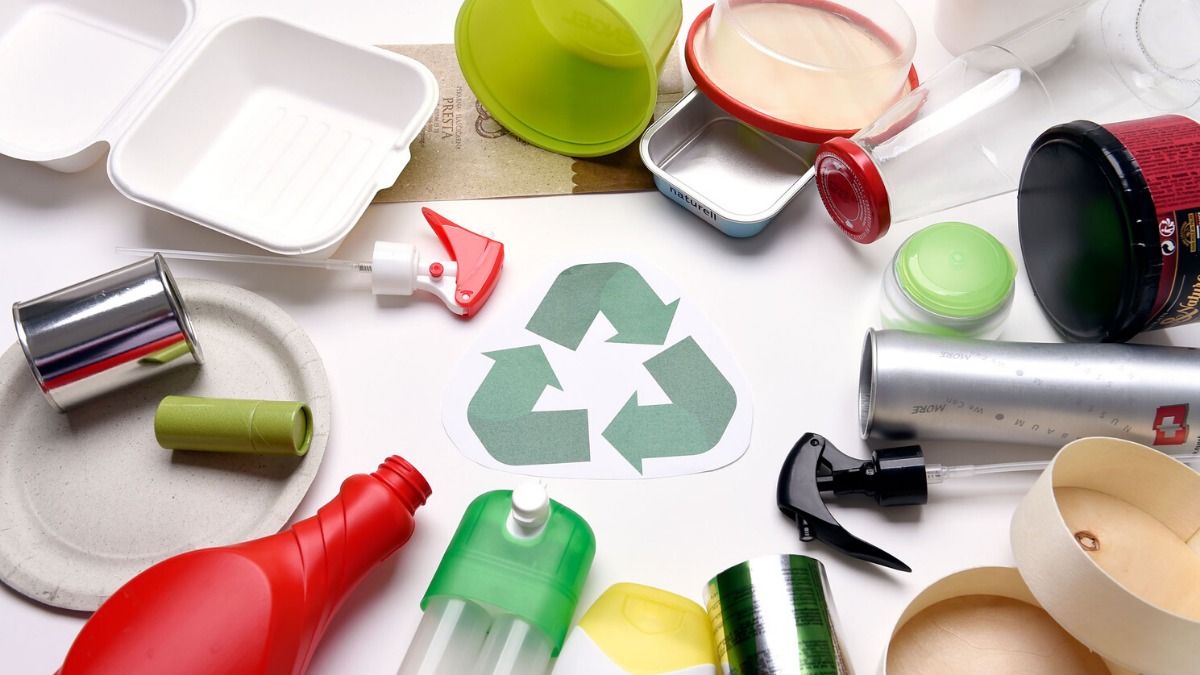
Checking the recyclability of packaging: The Central Agency Packaging Register (ZSVR) has now published a new minimum standard that can be used to determine in a user-friendly way whether packaging is easy to recycle.
The ZSVR has published the 2020 edition of the minimum standard for assessing the recyclability of packaging in agreement with the German Environment Agency. It now simplifies the application considerably. With a detailed description of the test procedure, companies can now check their packaging more easily.
The new version now also includes technical innovations that do not yet exist across the board. For this purpose A three-stage system was introduced to review the existing recycling infrastructure in each case. The new minimum standard is therefore now even more dynamic in its orientation.
Recyclability: poorly recyclable composite packaging on the rise
The basic structure with three standard criteria has clearly proven itself in practice. By checking the existence of a recycling infrastructure, the sortability and separability of the packaging and taking recycling incompatibilities into account, it is possible to determine in a user-friendly way whether packaging is easy to recycle. Composite packaging made of paper and plastic is increasingly becoming a problem.
Unfortunately, there is currently a trend towards packaging that can only be partially recycled at best. The plastics debate, the Single-Use Plastics Directive, the European plastics tax. All of this is pushing the waste hierarchy with waste avoidance and recycling into the background. Instead, fibre-based packaging with a plastic content is increasing rapidly as a result of these discussions. Various companies have switched to paper packaging in response to criticism of plastic packaging. Youuse plastic-coated composites, however.
(Image: obs/ZSV/Cornelia Borck)
„The trend in composite packaging is clearly in favour of recycling. Even if the packaging is mainly made of paper, as soon as a plastic coating is added, recycling is limited. Recyclable packaging alternatives made from mono-materials are clearly preferable from an ecological point of view. We are campaigning for ecology to regain the upper hand in the debate.“ Gunda Rachut, Board of Directors of ZSVR
Waste avoidance as a goal
In addition, the recycling capacities and products for fibre-based packaging with plastic are clearly limited. Gunda Rachut: „The Waste hierarchy with prevention at the top must be brought back to the forefront. The ecological assessment of a packaging solution should be the basis for a decision - this ranges from product protection to logistics. The minimum standard helps to assess recyclability. We hope that this will help to objectify discussions about packaging.“
[infotext icon]
The Central Agency Packaging Register Foundation has its headquarters in Osnabrück. Its founders are the Federation of German Food and Drink Industries (BVE), the German Retail Association (HDE), the IK Industrievereinigung Kunststoffverpackungen and the Markenverband. Since the Packaging Act came into force on 1 January 2019, the ZSVR has acted as an entrusted authority to ensure greater transparency and control in packaging recycling. To this end, it keeps a packaging register of all legally obliged companies from industry and trade. It compares quantities from manufacturers and systems and uses standards to ensure more recycling-friendly packaging design. The foundation is chaired by lawyer Gunda Rachut[/infotext].