Knorr Trockenbouillon is now available in packaging made from 100 per cent certified circular PP made from post-consumer plastic. Greiner Packaging has teamed up with chemical company SABIC and brand owner Unilever to develop tubs and lids made from r-PP in a pilot project.
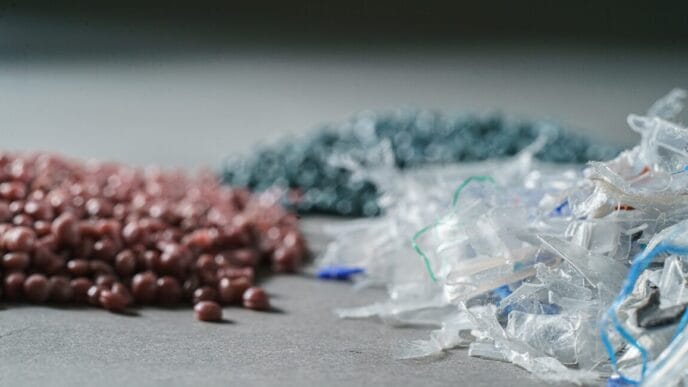
Manufacturers of plastic packaging are currently faced with ever-increasing demands to process more sustainable and recycled materials such as r-PP. Greiner Packaging has therefore been testing various recycled materials for the production of its cardboard-plastic packaging for some time. Now, for the realisation of a Test project for Unilever certified circular polypropylene from SABIC's Trucircle range from. The material uses mixed post-consumer plastics as a raw material, which are broken down into their molecular components to produce new plastics. These are then used to make the new recyclable tubs and lids.
r-PP suitable for the food sector
The aim of the project is to One million Knorr dry bouillon packs made from 100 per cent circular polymer for Unilever. As the availability of circular polymers increases, the number of tubs produced in this way should rise in the future.

„By producing some of the packaging from certified circular polypropylene, we want to jointly set an example on the market and show what is possible with recycled materials in the food sector. We also want to consistently drive this development forward. At Greiner Packaging, we are not only interested in certified recycled PP, but we are also working with mechanically recycled PS in initial projects and tests.“ Jens Krause, Sales Manager of the Swiss site of Greiner Packaging in Diepoldsau.
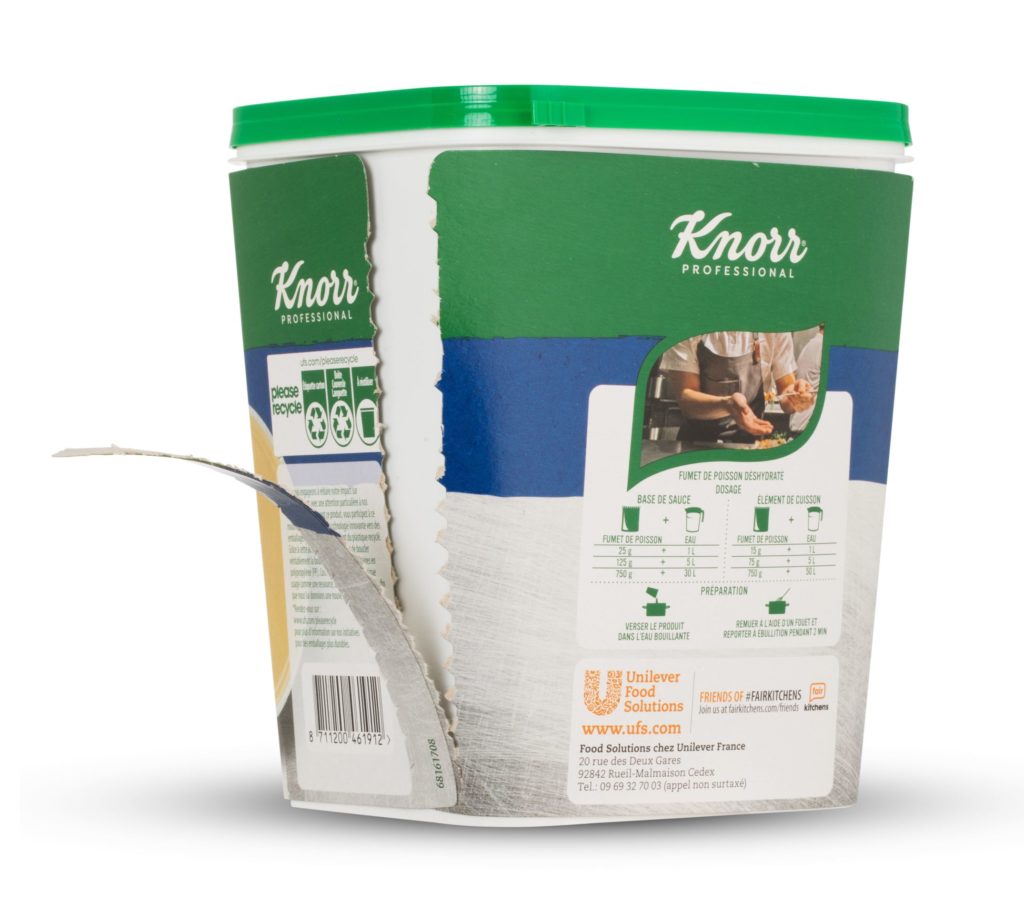
Knorr Trockenbouillon has been available in the same cardboard/plastic packaging for many years. The external appearance, functionality and safety of the new packaging are identical, and its quality also remains unchanged. It is now made from recycled plastic and is therefore much more environmentally friendly and sustainable. The consumer So you won't notice any difference and can simply remove the cardboard wrapping from the empty tub as usual and dispose of both separately.
„Our aim is to further increase the environmental friendliness of our packaging together with partners such as Greiner Packaging and SABIC. Particularly in the food sector, without imposing any restrictions on the consumer in terms of design, performance, quality, user-friendliness or food safety. We are now testing this using a material made from 100 per cent circular polymer. With the aim of extending the change to other areas of our product range by 2025.“ Mike Ross, Senior Packaging Manager at Unilever.
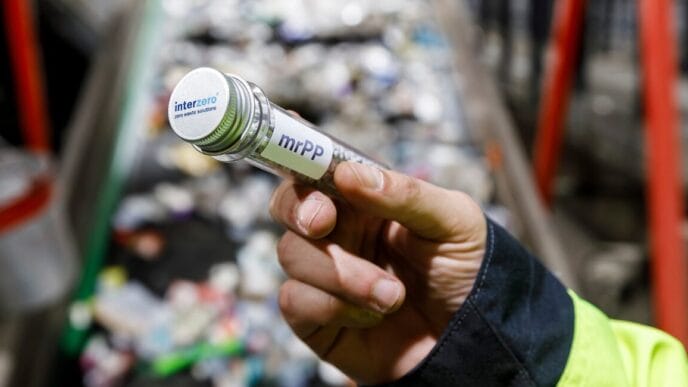
The certified circular PP polymer from SABIC's Trucircle range is used for processed into raw material by recycling mixed plastic waste. These would otherwise be incinerated or stored in landfill sites.
Advanced recycling as an opportunity for the future
Used plastic that is difficult to recycle is broken down to the molecular level in the process by heating it up in an oxygen-free environment, creating a pyrolysis oil. This pyrolysis oil is then fed into the SABIC production chain in the same way as fossil raw material in order to be recycled in compliance with the strictest quality requirements - such as. the hygiene standards for food packaging - new material. The resulting PP polymer is available under the International Sustainability and Carbon Certification (ISCC PLUS) scheme, which uses a mass balance approach. Greiner Packaging sees chemical recycling as the ideal complement to mechanical recycling
With the new packaging the certified circular version of the SABIC Flowpact PP Impact copolymer used. It is phthalate-free and food-safe while offering robust performance for excellent stackability and easy processing. The ISCC-Plus certified material is a simple replacement solution for fossil-based plastics in the packaging industry without jeopardising product purity and food safety.
Design solution for different markets
Knorr Trockenbouillon uses what is known as K3-F packaging. The plastic tubs and folded cardboard wraps are delivered to Unilever separately. First Directly before filling, the wrap is unfolded by machine and placed over the tub. This process is particularly suitable for global branded goods manufacturers such as Unilever, who offer their product in different markets or under different brands and therefore with a variety of decorations. This ensures a high degree of design flexibility and stock levels can be reduced to a minimum.
The packaging is also ideal for stacking and thus enables space-saving and sustainable transport. The packaging solution is suitable for powdered foods, cereals, animal feed and various non-food applications. After use, the cardboard wrap can be easily removed by the consumer and both packaging components disposed of separately.
SourceGreiner Packaging