The transition period for implementing the EU Medical Device Regulation ends in May 2021, and labelling processes must also be adapted by then. Nigel Street, Sales Director EMEA at NiceLabel, explains what needs to be considered here.
Actually, the Medical Devices Ordinance (MDR = Medical Device Regulation) has been in force since 25 May 2017. However, a three-year transition period was agreed, which was extended by one year due to the coronavirus pandemic. The new MDR is therefore applicable from 26 May 2021.
It brings numerous innovations for manufacturers of medical devices. Many of the changes have a direct impact on the Labelling of the products, including the introduction of a unique device identifier (UDI). This not only allows the production unit of the device to be identified, it also provides information on batch and serial numbers as well as manufacturing and expiry dates. Manufacturers must include this identifier on their labels in both human-readable and machine-readable form. It helps to trace products from the manufacturer to the end customer along the entire supply chain.

In the experience of NiceLabel, developer of label design software and label management systems, some medical device manufacturers are only inadequately prepared for the new requirements. For example, labelling is not integrated into the production processes, several labelling solutions are used to which the data sources are often not connected, or there is no continuous quality assurance. The result is manual processes that are inconsistent and prone to errors. In the worst case, mislabelling could be the result, which in turn could lead to expensive recalls or even severe penalties.
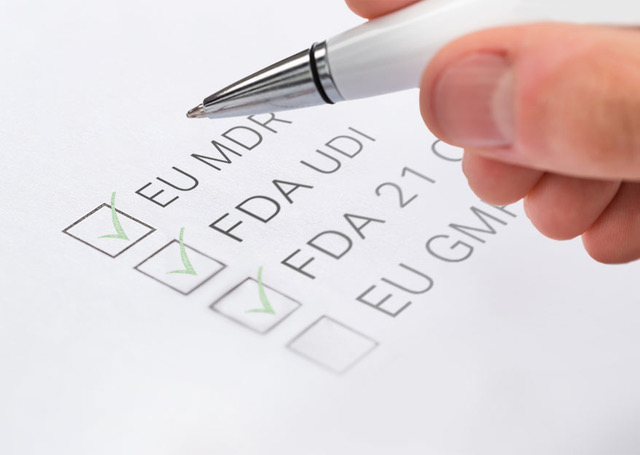
Nigel Street, Sales Director EMEA at NiceLabel, a specialist in labelling solutions, explains the measures manufacturers can take to improve their labelling processes and meet the requirements of the MDR for labelling medical devices. He argues in favour of a Modern label management, to ensure legally compliant labelling on medical devices. Three requirements in particular should be met.
Standardise processes
Manufacturers consolidated their Label management and only use one modern solution, they can standardise their processes more easily. They only create labels once and only make changes once centrally. This prevents the „proliferation of templates and versions“. All workflows should be standardised and digitally mappable. It should be noted that the chosen solution should allow integration of the ERP system, warehouse management system (WMS) and other existing applications in order to avoid manual data transfers. A cloud-based solution is advantageous as no software needs to be installed on the user computers. In addition, no new infrastructure is required if the label management requirements increase.
Digitalisation of quality assurance
With a standardised label management and a corresponding access model, companies should ensure that users only have access to the templates, labels and functions of the software that they need for their work. Business users should be able to make any necessary changes to the design or content themselves without having to rely on the support of the IT department. All changes to the files should be documented so that they can be tracked at any time. A good solution also supports users by automating routine tasks and facilitating the introduction of digital review and approval processes.
An overview of the entire supply chain
Manufacturers should Suppliers and partners into the labelling management system. This allows standardised templates and data sources to be used across the entire supply chain. Suppliers and partners can also be included in quality assurance, for example by documenting the changes they have made or integrating them into inspection and approval processes.
According to Nigel Street, manufacturers should not underestimate the challenges associated with the EU Medical Device Regulation.
Source: NiceLabel