PlasticsEurope reports a 1.6 per cent decline in plastics production in Germany in 2020. In order to remain competitive, the plastics industry therefore wants to become a driver of sustainable production and the circular economy.
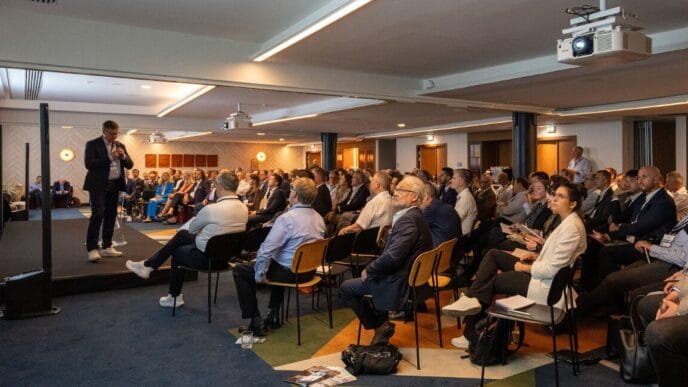
The Association of Plastics Producers PlasticsEurope Germany confirmed the industry's latest expectations at its annual business press conference: Plastics production in Germany fell by 1.6 per cent in 2020 - in light of the pandemic.
According to PlasticsEurope Germany Managing Director Ingemar Bühler, however, there are good reasons, optimistic about the time after the pandemic, However, we should not rely solely on a resurgent economy. Bühler calls for „becoming a global pioneer for more efficient, resource-conserving economic activity. Innovative recycling technologies, production with renewable raw materials and more recyclable products ensure greater environmental and climate protection and at the same time secure the future viability of our industry“.

Dr Michael Zobel, Chairman of the Executive Board PlasticsEurope Germany, explains the Current economic key figures: The industry's turnover fell by 8.7 per cent in 2020 compared to the previous year due to price pressure during the pandemic, exports fell slightly by 0.8 per cent and imports fell significantly by over 7 per cent.
The deterioration in the supply situation on the German market that is currently being observed was already apparent in 2020. It is currently leading to a increased number of force majeure reports.
„With full capacity utilisation, Germany is dependent on imports anyway. The effects of the pandemic, such as delayed maintenance or repeated production stops, have recently made things even more difficult. There are also no imports from the USA or China, as demand exceeds supply in both countries.“ Dr Michael Zobel, Chairman of the Management Board PlasticsEurope Germany
Cautious optimism at PlasticsEurope Germany
An end to the bottlenecks is therefore not to be expected for the time being, according to the Chairman. Overall, however, he is positive about the prospects and sees „good reasons for optimism. The vaccination campaign in Germany is progressing, the Asian market is comparatively robust and the same applies to the US economy.
Ingemar Bühler believes that plastics producers will need more support from politics and society in the future: „Affordable energy, openness to innovation and advanced technologies as well as faster and legally secure approvals for new circular economy plants - all of this is needed to ensure that we can compete globally for the future of the industry.“ Then the plastics industry „will be a global leader in sustainable and innovative products and processes - and make an important contribution to prosperity, quality of life and jobs“.
Source: PlasticsEurope