According to a study by GVM, more beverage cans are being handed in at vending machines in Germany than ever before. At the same time, the recycling rate has risen to over 99 per cent.
According to a study by the Gesellschaft für Verpackungsmarktforschung (GVM), the proportion of beverage cans in waste carelessly thrown into the environment fell to 0.03 per cent in 2019. At the same time the recycling rate for aluminium beverage cans rose in Germany to 99.3%, of steel cans to 99.7%. This is the highest recycling value for beverage packaging worldwide.
„Cans do not end up in nature, but are the prime example of a functioning circular product. This makes beverage cans the recycling champion among beverage packaging.“ Stephan Rösgen, Spokesman for the Forum Beverage Can
In total, around 267,000 tonnes of waste is carelessly thrown away or left lying around in Germany. This corresponds to 3.21 kilograms per inhabitant. Cans only account for 0.03 per cent of litter. Other packaging accounts for 20.6 per cent of litter (INFA, 2020). „The GVM figures show that over four billion beverage cans find their way back into the cycle find,“ says Stephan Rösgen.

Almost 100 per cent of beverage cans are recycled
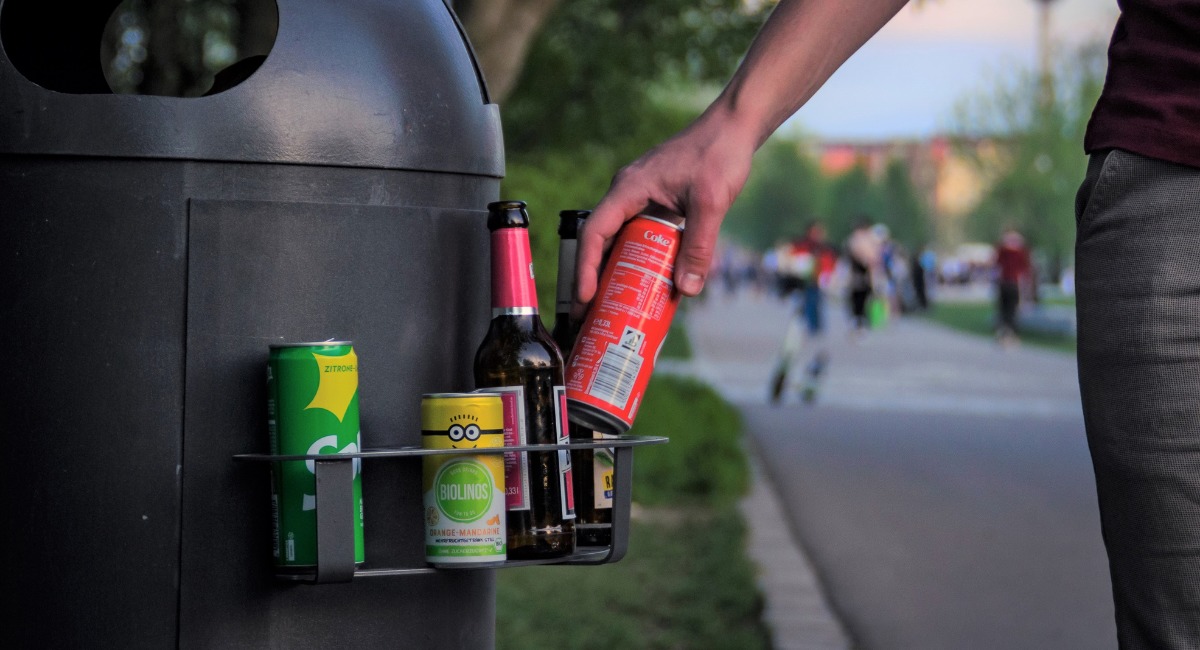
With 99.3 per cent of aluminium beverage cans and 99.7 per cent of tinplate beverage cans recycled, the circular product's recycling record has been further extended. „Thanks to the deposit, we have a functioning incentive system, that helps the environment by not leaving drinks cans lying around,“ says Stephan Rösgen. In the meantime - i.e. with the new packaging law - 100 per cent of all drinks cans in Germany are subject to the mandatory deposit.
„The high recycling rate of the Beverage cans enables an almost infinite material cycle, since both the Aluminium as well as tinplate without loss of quality can be melted down again and again,“ says Rösgen.
The GVM study was commissioned by ThyssenKrupp Rasselstein GmbH, DAVR GmbH and Forum Getränkedose GbR.
SourceForum Beverage Can