Not made of cardboard: How algae can be turned into packaging

The search for alternative materials is gaining momentum, not least due to the rapid rise in prices for paper and corrugated cardboard. DS Smith is currently researching the extent to which algae fibres can become a new raw material for paper and packaging products.

The search for alternative materials is gaining momentum, not least due to the rapid rise in prices for paper and corrugated cardboard. DS Smith is currently researching the extent to which algae fibres can become a new raw material for paper and packaging products. 

As the first company in the industry DS Smith use seagrass as an alternative fibre source for wood throughout its packaging network.

And that's not all: following initial tests, the company is now also investigating whether seagrass can be used as a barrier coating to replace plastics used to protect many foods.

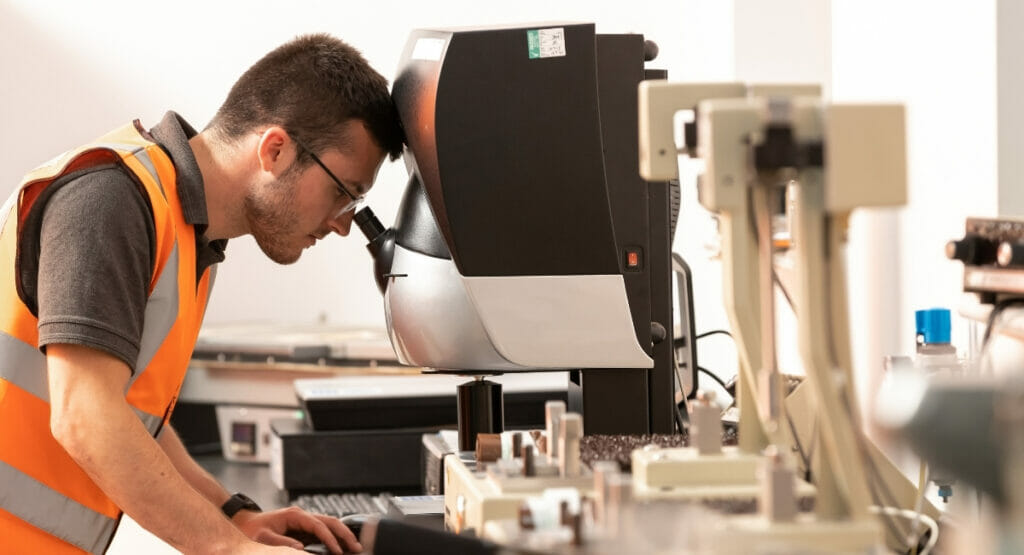
DS Smith is exploring the potential use of environmentally friendly algae fibres in a range of packaging products. (Photo: DS Smith)

Algae have a low ecological footprint

DS Smith announced this week in the US that it is in talks with several biotech companies to investigate the use of environmentally friendly algae fibres in a range of packaging products such as cartons, paper packaging and paper trays.

Display

Algae will be analysed in terms of strength, resilience, recyclability, scalability and cost, says Giancarlo Maroto, Managing Director, Paper, Forestry and Recycling at DS Smith North America.

Seagrass can be used in many different ways, has a low ecological footprint, is easy to recycle and is naturally biodegradable, says Maroto.


Straw, hemp and daisies are other alternatives

The seagrass project is part of DS Smith's five-year research and development programme. With more than 140 million US dollars, it is intended to promote research into alternative fibres and the reduction and avoidance of waste, among other things.

The possible use of natural fibres such as straw, hemp, miscanthus and cotton is also being investigated. More unusual sources are also being tested, including the daisy plant and agricultural waste such as cocoa shells or bagasse - the cellulose fibre left over from the processing of sugar cane.

The market for algae is booming

Algae are an up-and-coming market in the industry due to their many uses. The European algae industry alone is forecast to be worth almost 11 billion dollars and create 115,000 jobs by 2030.

Algae are usually available from commercial algae suppliers and farmers, and scientists have been researching the uses of different types of green, brown and red algae. DS Smith said his research will help decide which type has the best properties for his processes.

Source: DS Smith USA

DS Smith - More news