Suntory presents plant-based PET bottle prototypes

Suntory is taking a further step towards climate protection and sustainable packaging with the new portotypes of the 100 per cent plant-based PET bottles for Orangina. The prototype was developed in collaboration with Anellotech.

The Suntory Group is taking a decisive step towards its goal of using 100 per cent sustainable PET bottles worldwide by 2030 and eliminating all petroleum-based virgin plastics from its global PET range. The prototype was produced for the Orangina brand in Europe and for the best-selling mineral water brand in Japan, Suntory Tennensui. This announcement marks a breakthrough after a nearly ten-year partnership with US-based sustainable technology company Anellotech.

PET is made from two raw materials: 70 per cent terephthalic acid (PTA) and 30 per cent monoethylene glycol (MEG). The Prototype of the plant bottle from Suntory is produced by combining Anellotech's new technology with existing vegetable MEG from molasses. Anellotech uses a Vegetable paraxylene obtained from wood shavings, which has been converted into vegetable PTA. Suntory has been using the plant-based MEG for its Suntory Tennensui brand in Japan since 2013.

Plant-based PET bottles reduce emissions

„We are delighted with this success as it brings us one step closer to delivering this sustainable PET bottle to our consumers. The importance of this technology lies in the fact that PTA is produced from non-food biomass, in order to avoid competition with the food chain, while MEG also obtained from non-food raw materials becomes.“

Tsunehiko Yokoi, Executive Officer of Suntory Monozukuri Expert Ltd.

Display

This innovation is a further step towards realising the goal of Suntory Group, to eliminate the use of all petroleum-derived PET plastic bottles worldwide. Until The aim is to switch to 100 per cent recycled and plant-based PET bottles by 2030. The fully recyclable plant-based prototype bottle is estimated to significantly reduce carbon emissions compared to a virgin fibre plastic bottle made from petroleum.

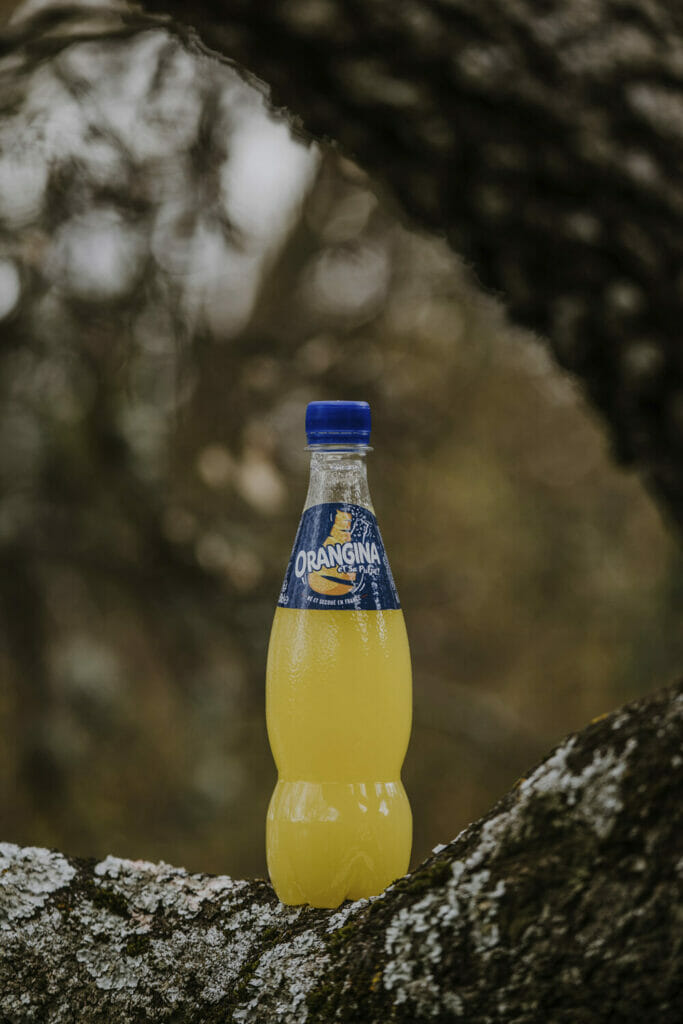
A prototype of Suntory's Orangina PET bottle made from 100% plant-based materials stands on the trunk of a tree.
Prototypes of the 100 per cent plant-based PET bottle Orangina, without caps and labels. (Image: Suntory)

Collaboration with partners leads to success

„This success is the result of more than ten years of thorough and careful development work Anellotech's dedicated employees, together with Suntory and other partners. The competitive advantage of the paraxylene produced by Anellotech with Bio-TCat lies in its process efficiency: it produces a Single-stage thermocatalytic process which is directly converted from biomass to aromatics (benzene, toluene and xylene). It is also possible to significantly reduce greenhouse gas emissions in the production of PET compared to the identical paraxylene obtained from fossil raw materials. The required process energy is generated from the biomass raw material itself becomes.“

David Sudolsky, President and CEO of Anellotech

This technology is one of Suntory's latest investments in the company's long history of addressing the social and environmental impact of containers and packaging. In 1997, Suntory established its „Guidelines for the Environmentally Sound Design of Containers and Packaging“. In the case of plastic bottles in particular, the company has 2R+B strategy (Reduce/Recycle + Bio) used to measure the weight of containers, including labels and closures. and actively use recycled or plant-based materials in its plastic bottles used worldwide. Above all, the company has developed the lightest bottle cap, the thinnest bottle label and the lightest PET bottle ever produced in Japan.

Big goals for the future

„Suntory has been committed to developing sustainable packaging solutions since 1997. This plant-based bottle prototype honours our historical commitment and at the same time sheds light on our path to achieving not only our 2030 target of a fully sustainable PET bottle, but also our goal, no more greenhouse gas emissions across the entire value chain by 2050."

Tomomi Fukumoto, COO of Sustainability Management at Suntory Holdings

This milestone underlines the great dynamism of Suntory's ongoing work to promote a circular economy for plastics through the development of sustainable materials, The company is committed to the development of a circular economy, the introduction of circular processes, investment in advanced technologies and the promotion of behavioural change among consumers. Suntory aims to launch this 100 per cent plant-based bottle as soon as possible to achieve its 2030 goal of a fully sustainable PET bottle.

Source: Suntory

More news