



A lot is happening in the world of packaging. An expert's view can help to provide the necessary overview. That's why, from now on, US packaging and design specialist Tom Newmaster will regularly share his thoughts on current developments in the packaging market here. Today's topic: the packaging trends of 2022.

Tom Newmaster knows a thing or two about packaging. The US designer has more than 30 years of experience in the industry and has worked with companies such as The Hershey Company, Pfizer and Zippo. In 2017, he founded the design agency FORCEpkg. He regularly shares his thoughts on the packaging market for packaging journal.
Packaging trends are a bit like reincarnation - they are reborn again and again. But each time they evolve with more sophistication and promise. Many of us look forward to 2022 with the hope that the Covid situation is finally over, that the shelves fill up again and that brands find new and profitable ways to make friends with the planet. At the same time, we must keep our hopes for the coming year with a healthy dose of realism underpin it. With this in mind, let's take a look at three much-vaunted trends.

Is less more, or is less less?
The concept behind the Trend towards minimalist packaging is simple: in a retail environment where everything on the shelf is vying for your attention, it is the understated packaging that stands out. Minimalist design also has other advantages: It looks classy, is „in“ (just think of Apple's boxes in the style of the Beatles„ “White Album"), and supporters claim that, it is more environmentally friendly (as fewer labels and other additional materials can be used). These advantages are said to be the secret of its great appeal. But is it also convincing?
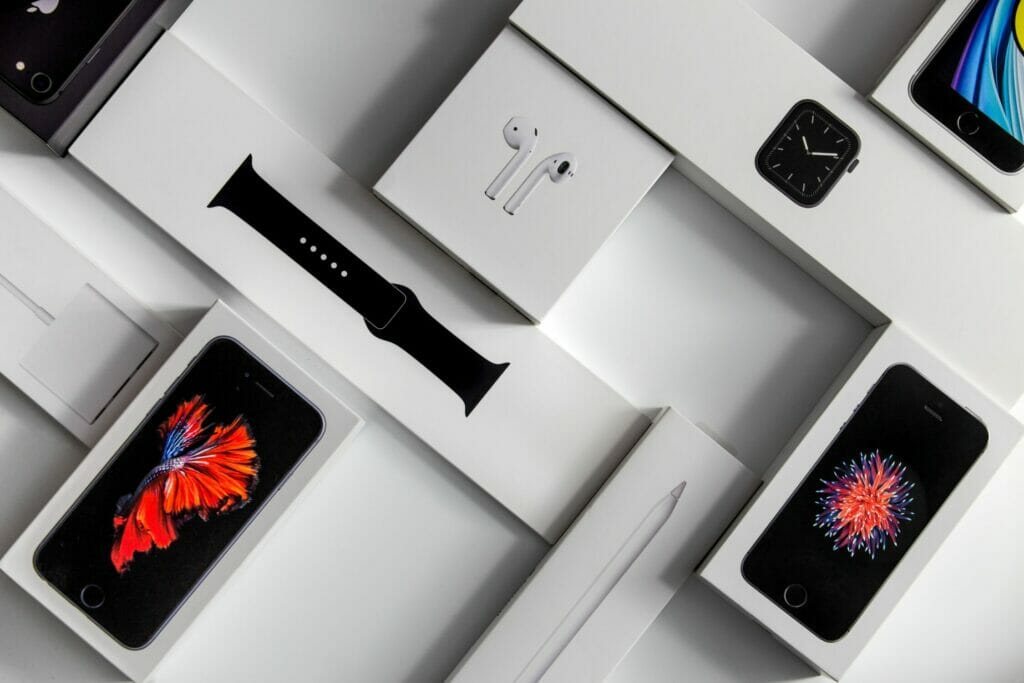
My research partner has put minimalist packaging to the test among consumers. The results do not exactly match the enthusiasm of the designer community. At least that's what Steve Lamoreaux, founder and CEO of Designanalytics, a company that specialises in performance data in packaging design.
This is what he had to say:
„The potential impact of minimalism on communication is significant, as the communication performance matches the sales performance in almost 90 per cent of cases.“ This is according to an analysis of the Designalytics redesign database. However, the picture is not entirely bleak - Lamoureux pointed to some examples from brands such as Dark Horse and Sam Adams, who have strategically streamlined their designs with considerable success.
„Minimalism,“ he added, „which reduces noise and makes it enables consumers to concentrate on the essentials, can be effective. But deleting key text or visual elements can be just as disastrous as adding elements that increase clutter without conveying anything meaningful. For this reason, such design data can be incredibly helpful at the start of a redesign initiative - They provide an objective view of which elements should be protected, edited or deleted.“
My opinion? Apple did it right, but you must not forget, that it's not just the plain white packaging, but the quality of the materials, that says: „This is Apple“. And it goes with everything the brand promises. Another example of a brand that gets it right with simplicity is MF People - a line of personal care products. The minimalist design dispenses with superfluous design noise, making the brand's cross-gender appeal obvious.
The moral of the story? Minimalism is cool if you have the product message and the materials to realise it. Otherwise, it's just designers talking to each other. Or, as one industry expert says in this article: „Minimalism can be useful to highlight a product's unique selling points, but poorly thought-out minimalism can also result in bland branding - or „blanding“ - slip away.
Bundling - a joy for e-commerce
Amazon offers a wonderful opportunity for brands to sell bundled products and increase sales for their brands. Anyone who shops on the platform will recognise this line: „Frequently bought together“. Your algorithm puts together a product bundle for you. According to a recent article in Selling, „Bundles must consist of products that are highly complementary. When a brand offers unique bundles, the results are a win-win for the brand and the consumer. Bundles are a great way to combine multiple low-priced items and actually make a profit. This is because the FBA fee, which is due due to shipping by Amazon, is only deducted from one item and not from each individual item.“ You therefore achieve higher profit margins.
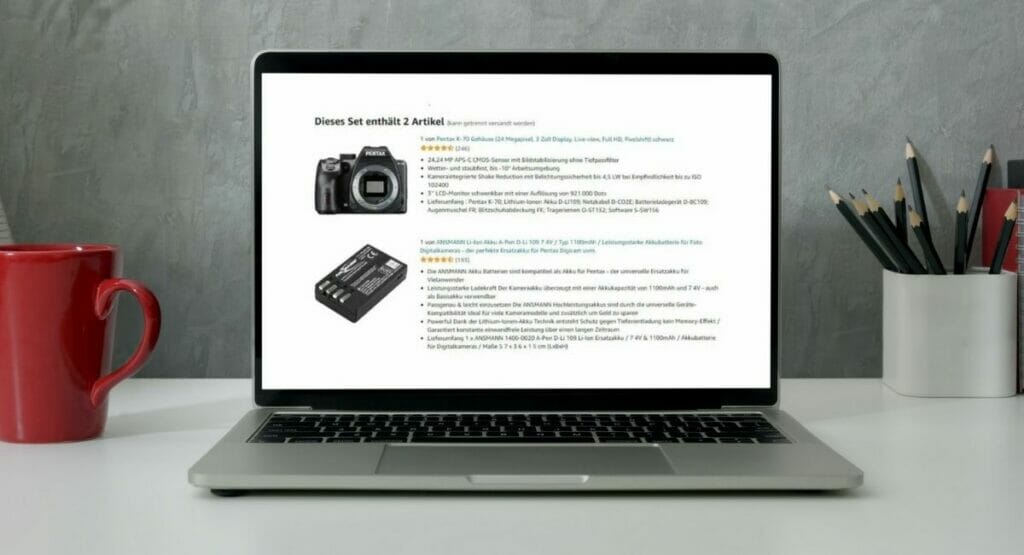
The key for designers is to ensure that their clients' products are suitable for bundling. In other words: The products should look like they fit together. Knowledge of the world of e-commerce is crucial for success.
The luxurious brand extension
Everyone talks about the expansion of product lines, but this is Particularly important for old brands that were important for previous generations. Take the example of Famous Amos, a biscuit brand founded in 1975. They were saved from bankruptcy in 1996 when Kellogg bought them out. But they were always perceived as a single-serve pack in a convenience shop or kiosk. Recently, the company took an interesting approach to renew its positioning by switching to premium. The aim was to revitalise the brand identity, re-engage with consumers and attract new customers.
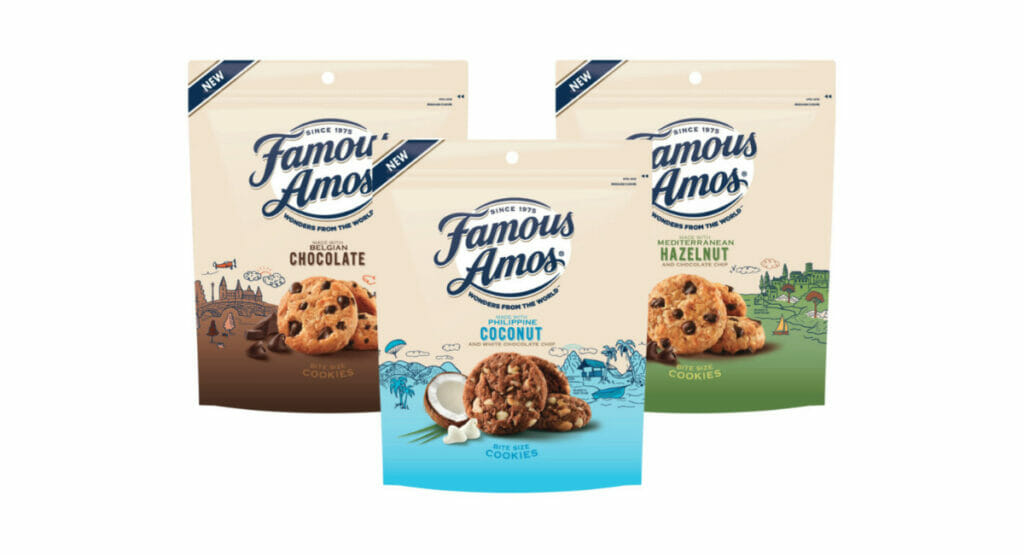
The new owner Ferrero has given Famous Amos a new start and launched three flavours with high-quality ingredients such as coconut, hazelnut and white chocolate. You can expect other brands to apply the same premium upgrade in the near future. My opinion? A note of caution: if your brand has too many extensions, they tend to blend together on the shelf and lose their differentiation. Make sure that each extension is clear enough to give the consumer a new experience.
The elephant in the room
The challenges of the supply chain will continue to occupy us. This will become increasingly clear the closer we get to 2022. And some say that the business model of fast-moving consumer goods brands is partly to blame. In a recently published report by US news portal Vox claimed that the packaging industry's just-in-time model has contributed to its current plight. Factors cited include the fact that brands typically work „on demand“. The result is that we are now on the verge of a significant bottleneck. According to Vox, „These problems have now reached critical mass. Although American consumers have started to order a lot more goods, there is no flexibility in the supply chain to meet this demand.“
About Tom Newmaster
Tom Newmaster has more than 30 years of experience in CPG branding and packaging design. From 1998 to 2016, he headed up creative departments at and won awards at for The Hershey Company, Pfizer, Stoner Car Care and Zippo. He has launched new products for Fresh Solutions Network, Koch's Turkey, Klamath Basin Fresh Organics and Wolfgang Candy, to name a few. In 2017, Tom founded FORCEpkg and has since developed into a leading voice in the packaging industry and written for leading trade and mainstream business publications.