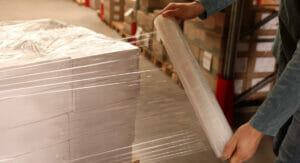
Product protection through packaging for food

The German Packaging Institute (dvi) has responded to a call by the Foodwatch organisation for a general ban on cardboard trays and plastic packaging for fruit and vegetables.

The German Packaging Institute (dvi) has commented on a demand made by the Foodwatch organisation to Federal Environment Minister Steffi Lemke. According to this, cardboard trays and plastic packaging for fruit and vegetables should be banned as a matter of principle. In its statement, the dvi emphasises the protective functions of packaging for foods such as fruit and vegetables.

In its latest press release, Foodwatch also claims that fruit and vegetable packaging is fuelling climate change. In addition to plastic packaging, the organisation also includes paper and cardboard packaging and wants to introduce a general Ban on disposable fruit and vegetable packaging.

„This statement cannot be left unchallenged. Fruit and vegetables, like almost all foods, must be protected against spoilage and damage. Especially Soft and very ripe fruits such as strawberries, grapes or tomatoes benefit from packaging. After all, the biggest enemy of the environment and climate is food that has to be disposed of unused because customers no longer want to buy it due to damage or spoilage. Even a tomato that has burst open due to a lack of packaging or a wobbly, unpackaged cucumber still bear the high ecological footprint that has already been generated by the resources used, from sowing to harvesting and transport. These resources are simply lost and wasted when they are disposed of.“

Kim Cheng, Managing Director of the German Packaging Institute e. V. (dvi)

Display

Sustainable protection through packaging

In the opinion of the dvi, a fact-based analysis of packaged foods shows a Environmental benefits of packaging. Kim Cheng explains:

„Food packaging only accounts for around 0.7 per cent of the total climate footprint of European consumers. Packaging therefore protects great values with little effort. The ecological footprint of packaged food is around 16 to 30 times larger than the footprint of the packaging. Food contains valuable resources ranging from water and fertiliser to energy. Not using packaging is a big ecological mistake. Currently, in Germany, Austria and Switzerland, around 10.6 million tonnes of food in the bin. Packaging extends the quality, integrity and shelf life by days, weeks or even months. By preventing food waste alone, we can reduce our carbon footprint by 5 per cent. One Tripling the shelf life reduces the waste rate by 80 per cent! Packaging is a very decisive environmental and climate protector here.“

Kim Cheng

Source: German Packaging Institute e.V.

Deutsches Verpackungsinstitut - More news