In our new „Co-Packing“ series, we are focussing on the contract packaging industry and its companies. The industry will face increasing challenges in the future as a result of shorter product life cycles, rapidly changing market conditions and trends.
In Germany, the majority of product manufacturers only rely on one or a few co-operation partners to handle internal processes, as managers tend to be unwilling to take risks in this area. The most important criterion for outsourcing for them at present is mainly the Predictability of costs.
Among other things, this behaviour leads to the fact that the handover of Packaging expertise The outsourcing of the packaging process to a partner is seen as a challenge and contract packers, also known as co-(contract) packers, have not yet developed to the same extent as in other European countries. In future, however, all activities in the value chain in this country will also have to be analysed to see who is best placed to carry them out.

Expectations of contract packers
Contract packers take on special packaging tasks that they perform in the External order perform. In order to be successful on the market, they must have an appropriately developed infrastructure and qualified personnel, adhere to consistently high quality standards, guarantee performance-based billing and operate independently of other companies.
[infotext icon]Companies that work with contract packers cite the following as important criteria for cooperation:- Understanding of the assigned tasks and corresponding skills of the staff,
- Expertise in the German market and independence from other companies,
- Infrastructure and working methods.
In return, clients expect this for their company:
- Cost reduction,
- Increased process reliability and quality,
- Optimisation of business processes and process management to better focus on the core business or other areas such as research or marketing,
- Increased flexibility and competitiveness,
- Access to the expertise of the contract packer[/infotext].
From packaging and advice to complete solutions
Contract packers generally have different Key areas of expertise. While some companies offer the filling of bulk goods and/or liquids in consumer packaging or transport packaging, specialising in food, cosmetic products or pharmaceuticals, and must have a precise understanding of the relevant legal requirements, others take on the packaging of machinery and equipment, furniture or white goods for transport and are usually familiar with the manufacture of boxes and crates, take care of padding inserts and the necessary corrosion protection, etc.
In overseas ports and at airports in particular, contract packers have also established themselves as part of Logistics services established. They pack hazardous goods and other goods for domestic and export, usually have a broad knowledge of the transport conditions that arise as well as national and international regulations and can also provide customer advice and support, including assistance with customs clearance or complete solutions for all packaging and shipping problems.
Special areas of contract packaging
A special service is offered by packers who Museum goods Special packaging to protect the valuable pieces from all mechanical and climatic stresses. In most cases, they also take care of the safe transport to the recipient, including the handling of insurance benefits, because hardly any transported goods require as much expert knowledge, technical skill, talent for improvisation and sensitivity as works of art.
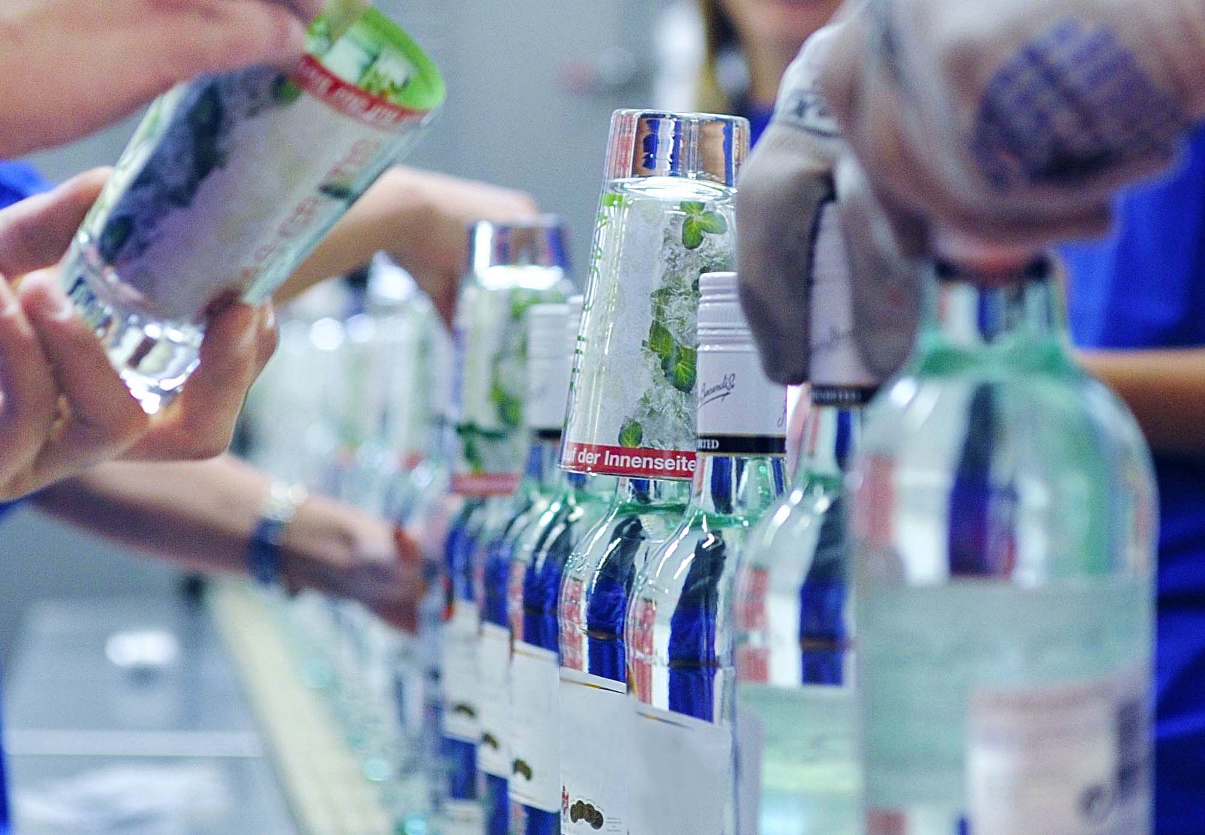
Another branch are Contract bottler, which often co-operate with beverage producers. Cideries are a special type of business in that they offer their services to both private and industrial fruit producers and often not only carry out bottling, but also have modern equipment for filling into kegs or bag-in-box packaging. In addition to the seasonal business during the harvest period, they often need another mainstay for the rest of the year.
Use of flexible technology
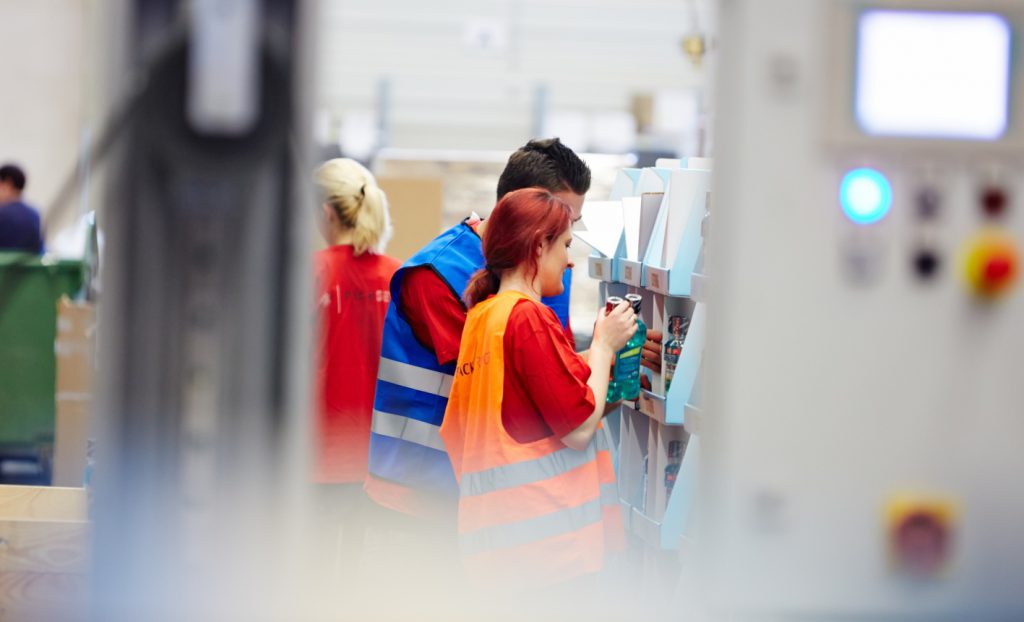
When aligning the business segment of a contract packer, the packaging equipment required plays an important role. Degree of prefabrication of the packaging plays an important role. Companies that specialise in repackaging and assorting or inserting products usually have to have various systems with a high degree of flexibility in order to be able to fill different bag or box sizes. If, on the other hand, the degree of prefabrication of the packaging is high, as is the case with bottling, a corresponding customer base should justify the investment in this technology.
Support for capacity problems and special sizes
Contract packers are also in demand when a company's packaging systems break down, whether planned or unplanned, or when a large quantity of products suddenly needs to be packed due to an enquiry that exceeds the company's own capacities.
In the food and cosmetics industry, new products are often produced in small batches. Sample packs offered to test the market. In most cases, the company's own systems are not suitable for these pack sizes, which is why contract packers are used. The same applies to Give-aways which are awarded by numerous companies for anniversaries, at trade fairs and other events.