In view of the impending gas shortage in the industry, the BDE, the Federal Association of the German Waste Management, Water and Recycling Industry, is increasingly concerned that companies could run into difficulties as customers for recycled raw materials.
The association recently launched a survey among its member companies on the extent to which the Companies in the waste management industry affected by a potential gas shortage be.
„We are noticing that many companies in the industrial sectors that purchase our raw materials obtained from recycling processes and use them in production are currently doubting whether and for how long they can maintain their production.“
Peter Kurth, BDE President
Display
As a result, a shortage would have different effects on companies in the waste management and recycling industry due to the breadth of activities and stages of the value chain. For example half of the companies surveyed are affected by supply impacts in some way, This is mainly at the level of space heating and hot water supply in the company buildings. However, there would also be effects in the operational area in the treatment segment (TBA, leachate, exhaust air).

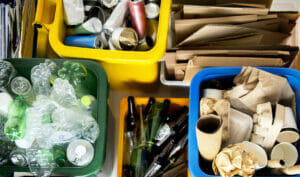
In recycling, the impending gas shortage would affect all forms of drying, such as flakes and cullet. A Potential plant downtime in hazardous waste treatment due to gas supply restrictions lead to problems. According to the survey, the collection and sorting of waste is not likely to be affected by a shortage, while the activities of downstream sectors - such as the paper, metal or glass industries - would be affected. Conclusion: Collected materials may not be taxed.
Maintaining material cycles
The BDE-President emphasised that it is many of the association's member companies have already succeeded in adapting their operating procedures. However, where this is not yet possible, the continued supply of natural gas must be guaranteed. This is particularly essential to maintain the function of critical infrastructure. Unbureaucratic support for a fuel switch from the authorisation authorities, wherever possible and actually feasible, is also important.
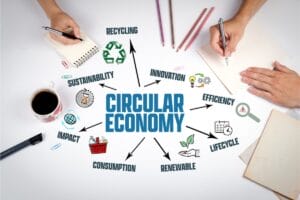
Kurth: „A functioning circular economy in Germany industry, which closes material cycles by returning recycled raw materials to production. This applies to the paper industry as well as the glass industry, to steel processors as well as plastics companies. If these companies are no longer able to remain in Germany, the cycles that have been established in recent years will also be jeopardised.
The circular economy is central to the endeavour to focus on Germany as an industrial location and still achieve ambitious climate targets. These structures must not be jeopardised. If the value chain cannot be maintained, there is a risk of supply and disposal bottlenecks which cannot be avoided by increased exports or interim storage alone can be realised.“
In this context, the BDE once again emphasised that avoidable, one-sided cost burdens for both companies and households in Germany must now be urgently avoided. Thus, a significant increase in disposal fees due to the inclusion of thermal recyclers in emissions trading.
Kurth: „Emissions trading must be regulated at European level. That's where it belongs. Otherwise, materials will not be channelled into recycling, but into other European countries. The German government would be well advised to lobby for swift European regulation in the coming months instead of placing a one-sided burden on Germany as a business location. We very much hope that the Bundestag positioned against further financial burdens for citizens and companies. Talking about relief and deciding on new burdens is dishonest.“
Source: BDE
BDE - More news


BDE calls for „Made-in-Europe“ regulation for recycled plastics

VerpackDG: Associations warn of additional costs

What is the mood in the industry?

Guide to design for good glass recycling published