ZSVR publishes new minimum standard

Fibre-based composites, product residues, metal nets in used glass - they all have a negative impact on the recycling of packaging. This is reflected in the new version of the minimum standard for assessing the recyclability of packaging.

Fibre-based composites, product residues, metal nets in used glass - they all have a negative impact on the recycling of packaging. This is reflected in the new version of the minimum standard for assessing the recyclability of packaging.

When is packaging recyclable - and when is it not? The minimum standard for assessing the recyclability of packaging (Section 21 (3) of the Packaging Act) provides answers to this question. The Central Agency Packaging Register (ZSVR) has now been published in agreement with the Federal Environment Agency. Compared to the previous edition, the current minimum standard contains various further developments.

Obligation to provide evidence for fibre-based packaging

A trend with a fibrous aftertaste: in the wake of the „plastic bashing“, more and more fibre-based packaging is being produced in which pasta, coffee or sausages, among other things, are sold. This suggests added ecological value to consumers, In reality, however, plastic packaging is often more difficult to recycle than unmixed plastic packaging.

The recyclability of fibre-based packaging essentially depends on whether the fibres dissolve in the recycling process and can therefore be reprocessed into new fibres. This fact is reflected in the current minimum standard - with the following regulation: For fibre-based composite packaging (with the exception of liquid cartons) that does not typically contain dry contents, proof of recyclability must now always be provided. The same applies to paper packaging containing liquids or pastes.
Display

When used glass can no longer be recycled

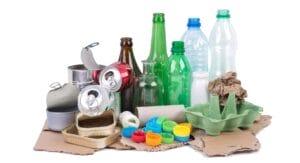
In general, used glass can be recycled very well if it is disposed of and sorted correctly. However, there are packaging features or material combinations in the glass sector that make recycling difficult or impossible. These include Bottles surrounded by a fine metal mesh. Before used glass is melted down and processed into new products, it must be crushed into glass cullet and freed from foreign matter. However, the metal mesh prevents the glass fragments from being separated from each other.

Another example is demijohns, which are used to sell wine, among other things. This year's minimum standard focuses on such incompatibilities. These will continue to be the focus of attention. This is because even more precise regulations are planned in this area based on the results of future studies.

Residues of nail varnish that remain in the bottle or bitumen that sticks to the bucket: There are various products whose residues stick to the packaging and are difficult or impossible to remove. Waxes or various chemicals and building materials are also included. Such Design-related product residues may have a negative impact on the recyclability of the packaging. The individual case is decisive here. The specific consequences of the residues for recycling depend largely on the respective filling product, the design of the packaging and the packaging material used. However, one thing is clear: the effects of product residues must be taken into account when assessing recyclability. This is also reflected in the current minimum standard of the ZSVR down.

Application of the minimum standard remains as simple as ever in the fourth edition: descriptions of the test procedure and examples help companies to determine the recyclability of their packaging. The three standard criteria, which are retained as a basic structure in the new minimum standard, have proved their worth. When considering whether packaging is easily recyclable, the existence of a recycling infrastructure, the sortability and separability of the packaging and the recycling incompatibilities must be checked and taken into account.

Progress in recycling-friendly design, but...

Based on the minimum standard, the (dual) systems are obliged to create incentives for the recycling-friendly design of packaging. This means that companies benefit financially if they fulfil their product responsibility and consistently align their packaging with the waste hierarchy. Significant progress has been made in recent years: Four out of five plastic household packaging is recyclable. This is the result of a recent study by the Gesellschaft für Verpackungsmarktforschung (GVM) for 2020. According to the study, 74 per cent of plastic packaging collected in the Yellow Bag is recyclable. By comparison, this figure was 66 per cent in a 2016 survey. The picture is similar for other packaging materials. According to the Federal Environment Agency, 71.6 per cent of packaging waste in Germany was recycled in 2019 (+2.6 per cent compared to 2018) - a very good rate by international standards.

Nevertheless, not every trend in packaging is proving to be favourable for recycling. In addition to the composite packaging already mentioned The increasing use of PET films and trays and paper cups coated on both sides are further examples of counterproductive developments in the packaging industry, at the expense of recyclability. The same applies to the increasing proportion of Packaging made from materials such as wood, bamboo or textiles that prove to be unsustainable. As these are not even sorted out in the sorting process, the recyclability according to the minimum standard is zero. In practice, they are not recycled but generally incinerated.

SourceZSVR

ZSVR - More news