Everything new with the reusable packaging obligation?

It has been a long time coming, but now it will come into force on 1 January 2023: the reusable packaging obligation. The aim of extending the law is to avoid single-use packaging in the long term, particularly in the catering sector. This cannot be achieved without changes.

It has been a long time coming, but now it will come into force on 1 January 2023: the reusable packaging obligation. The aim of extending the law is to avoid single-use packaging in the long term, particularly in the catering sector. This cannot be achieved without changes.

2020 was a remarkable year in many respects - including in the packaging industry. One consequence of the pandemic: a clear increase in delivery and takeaway orders in German households and, as a result, a noticeable increase in the packaging required for this. According to the Federal Statistical Office, 78 kilograms of packaging waste was generated per household in the first year of coronavirus and thus on average six kilograms more than in the previous year.

The largest increase (three kilograms more per capita) was achieved by Packaging made of paper, cardboard and paperboard which is likely due not least to the e-commerce trend fuelled by the pandemic. Overall, however, at 32 kilograms per person, lightweight packaging - i.e. packaging made from plastics, light metals and composite materials - is far ahead. This also includes disposable packaging for food and beverages.

When the Bundestag passed an amendment to the Packaging Act on 6 May 2021, which has been in force since 2019, this decision was not made in a vacuum. The legislator saw a need for action and prepared several steps to Reduce the proportion of single-use packaging in the waste stream in the long term.

Display

One of these steps will now come into force on 1 January 2023. From then on, caterers, delivery services and restaurants will be obliged to use disposable also offer reusable containers for food and drinks to take away or order. For smaller businesses with a small number of employees and limited sales and storage space, the exception should apply that they should allow their customers to take their own containers with them and clearly label this.

This endeavour is widely supported by the population. According to a survey commissioned by Deutsche Tamoil GmbH in August 2022 76 per cent of Germans consider the legal obligation to reuse to be sensible and are prepared to go the extra mile to preserve the environment.
Reusable systems are growing

For many companies, the changeover or expansion to a reusable packaging range represents a challenge that should not be underestimated. So it's no wonder that an increasingly diverse market for reusable food packaging has emerged in recent months and years. Two companies have taken the lead here so far.

There is the Munich start-up Recup. The reusable service provider was founded in 2016 by the young entrepreneurs Fabian Eckert and Florian Pachaly and initially provided Reusable coffee cups made from polypropylene for to-go sales, on which customers of catering establishments can pay a deposit.

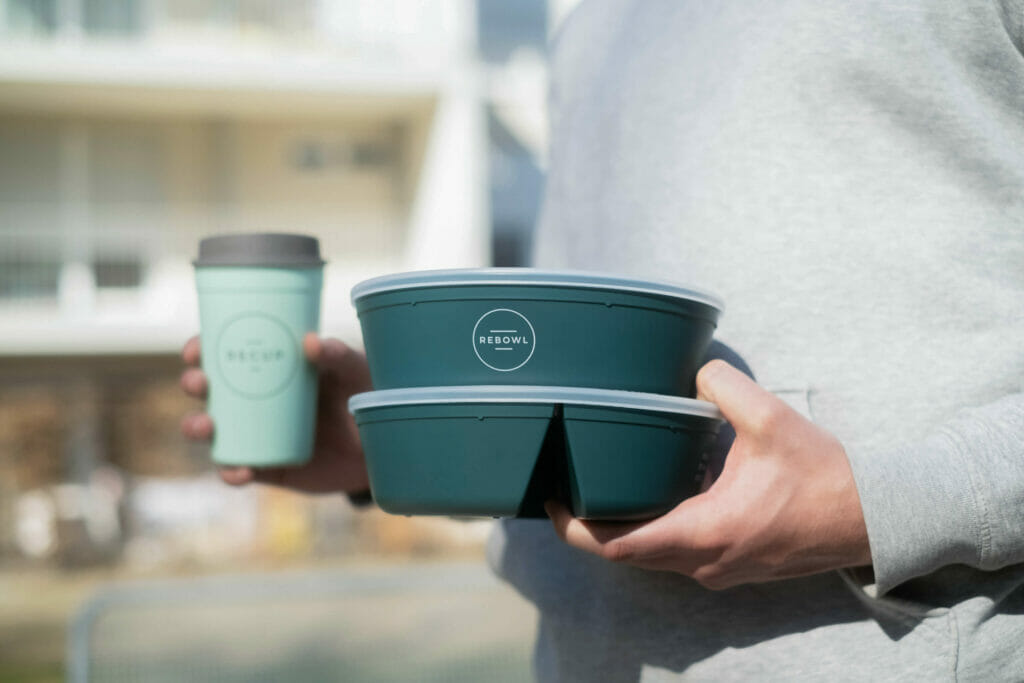
One person carries a cup and two food containers from Recup.
The containers of the Recup reusable system are now available at more than 14,000 distribution points throughout Germany. (Image: Recup)

According to the company, the reusable containers are now being used at more than 14,000 jobs issued and accepted. The Recup cup, which is now available in four different sizes, is joined by the Rebowl in three different sizes as a container for food. And as recently as May of this year, the company was able to secure a further twelve million euros from investors for the expansion of the deposit system.

Another success story in the area of reusable packaging for the catering industry is the company founded in 2019 by Sven Witthoeft and Tim Breker Vytal is a good example. However, the Cologne-based company is taking a slightly different approach to the competition from Munich.

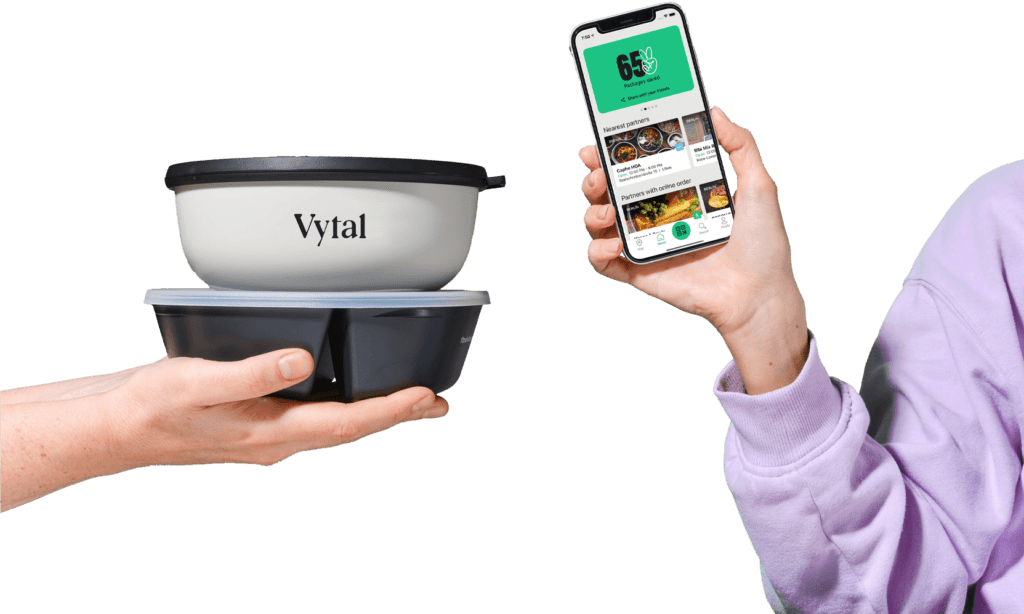
Two people holding reusable containers from Vytal and a smartphone with the Vytal app.
Consumers can use the Vytal reusable system via app. A fee is only due after the deadline. (Image: Vytal)

On the one hand, Vytal's portfolio also caters for more „specialised“ requirements. In addition to coffee cups and bowls the company also offers its reusable containers for pizza, sushi and burgers. all of which are very popular with customers placing orders. On the other hand, the deposit system is based on a specially developed app, where customers can create an account and then use a personalised QR code to borrow a bin from participating restaurateurs. Only if this is not returned after a period of 14 days will the customer automatically purchase the container. For businesses participating in the system, a fee is charged per container issued, which, according to Vytal, is lower than the cost of disposable packaging.

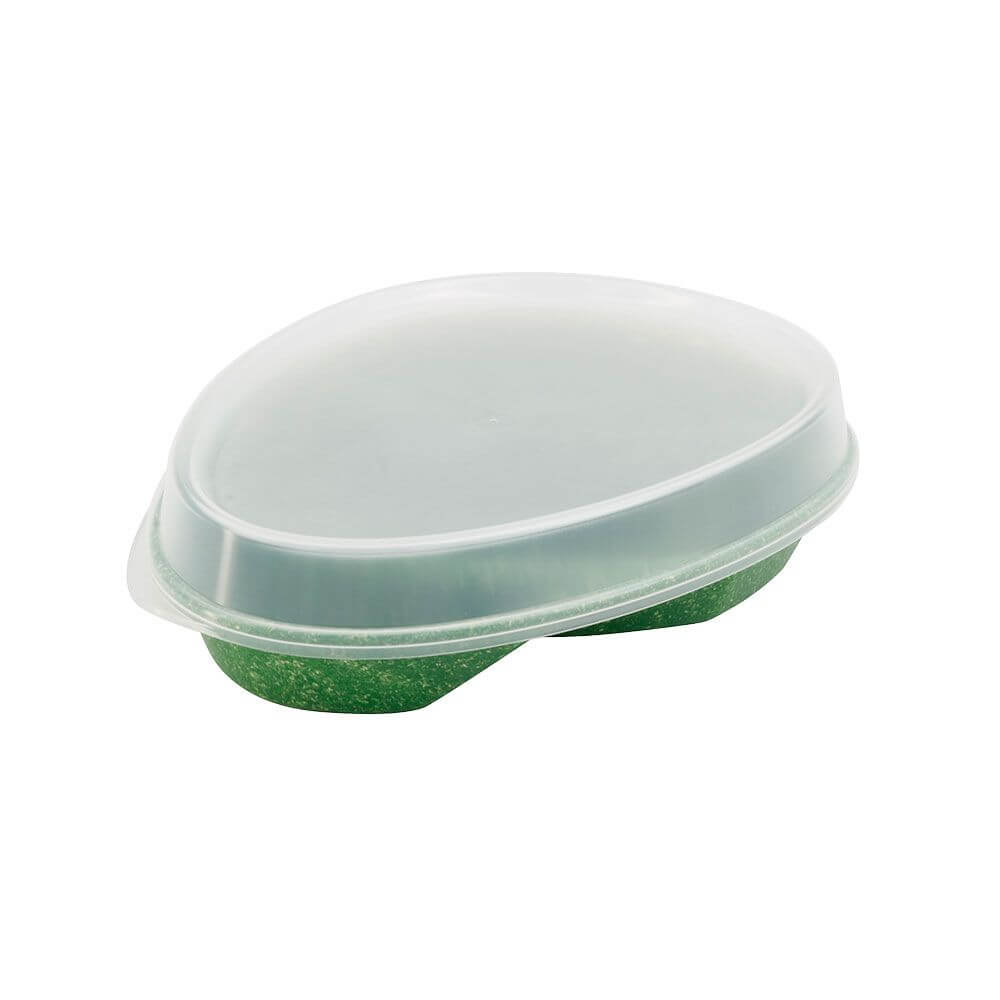
Merways GmbH has divided containers made from a wood fibre-bioplastic mixture in its portfolio. (Image: Merways GmbH)

The company only recently Merways GmbH introduced its own deposit system, which works via an app similar to that of Vytal. Merways utilises the container portfolio of its sister company Greenbox, whose products, according to the company, are made from 98 percent renewable raw materials in a mix of bioplastics and wood fibre.

Supermarkets and chains follow suit

Just how far-reaching the change in the law will be can also be seen from the fact that some big names in the food industry are introducing their own reusable systems. In November, for example, supermarket giant Edeka presented its „reegod“ system to the public. The cups and bowls certified with a Blue Angel seal can be purchased and returned at participating Edeka and Marktkauf stores from January 2023. Back in April, the fast food chain Burger King ran a test run with reusable drinks cups., which were distributed in twelve restaurants in the Cologne area in co-operation with the recycling service provider Interzero.

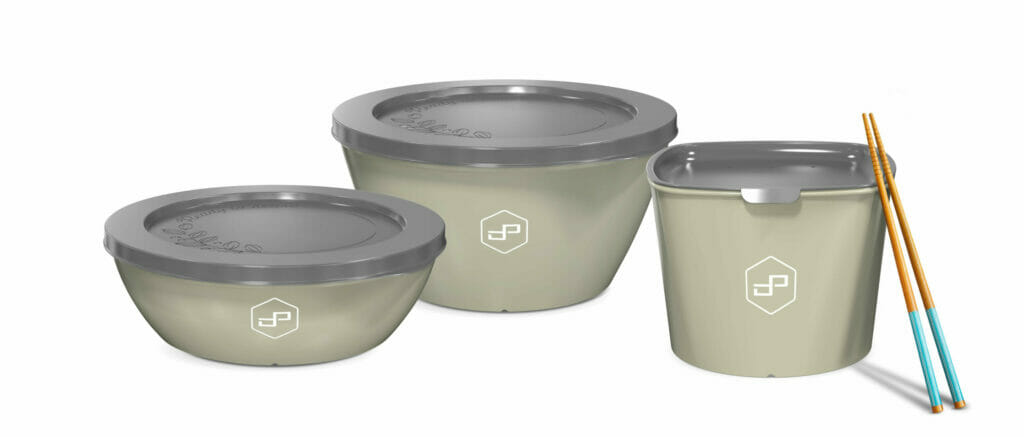
Greiner Packaging presented its own reusable containers at this year's Fachpack. (Image: Greiner Packaging)

The first packaging manufacturers have also adapted their portfolios. Plastics expert Greiner Packaging, for example, presented reusable drinks cups and trays at this year's Fachpack, which have been explicitly designed for reusable systems and are suitable for both cold and hot drinks and food. The Bautzen-based company Cupex, on the other hand, presented a reusable cup lid at drinktec that was designed for standard sizes with a diameter of 90 millimetres.

The Göttingen-based packaging specialist Nette GmbH, a member of Packsynergy, has also expanded its product range with twelve PP reusable containers, including cups, trays, menu boxes and pizza and burger boxes. The company also offers its own app to support the borrowing and deposit process. For end users, a fee is only charged after a certain period of time.

It remains exciting

In short, a lot has - inevitably - happened in the year and a half or so since the change in the law was announced. There is no question that the change has not been made without criticism. However, the wheels of bureaucracy grind inexorably, and at the moment it does not look as if there will be any further changes to the entry into force of the reusable packaging obligation on 1 January.

On the contrary, it was only in November that the cabinet decided on a further step to curb the use of single-use plastics. With the so-called Single-use plastic fund manufacturers and distributors of single-use plastic products will have to pay a levy into a fund managed by the Federal Environment Agency from 2025, depending on the quantity and type. This fund then distributes funds to municipalities, which the cities can use to combat pollution in public spaces. This change has also led to vociferous criticism among the associations concerned.

In any case, it remains exciting, how the reusable packaging obligation will make itself felt in day-to-day operations from January, whether end consumers will accept the offers and what hurdles, perhaps not yet foreseeable, need to be overcome.

Further news on laws and regulations