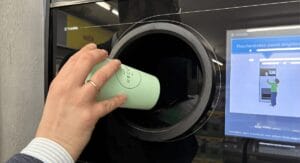
On the twentieth anniversary of the so-called „can deposit“, Deutsche Umwelthilfe (DUH) draws a positive balance. The deposit of 25 cents on disposable drinks packaging, which came into force on 1 January 2003, is successfully combating environmental littering. The organisation is now calling for the mandatory deposit to be extended to beverage cartons.
Today, 98.5 per cent of single-use beverage containers with a deposit are returned to retailers for recycling. Beverage cartons are not part of this and, according to the DUH are often disposed of incorrectly and end up in residual waste, for example. A deposit could change this and would also support the reusable system, as consumers have to pay a higher deposit of 25 cents when buying disposable bottles than when buying reusable ones.
With regard to Germany, DUH is therefore calling for the deposit scheme to be extended to beverage cartons. This could over 1.8 billion beverage cartons per year in Germany alone are also collected and recycled.
Large gap to the reusable target quota
Despite the success of the one-way deposit, DUH still sees major challenges in the beverage packaging sector. It is true that the reusable quota has increased significantly in the beer sector, for example. However, according to Deutsche Umwelthilfe, price dumping by discounters Aldi and Lidl with mineral water in disposable plastic bottles and the single-use orientated actions of large corporations such as Coca-Cola are leading to a drop in the reusable quota. According to the latest figures from the Federal Environment Agency, the overall reusable quota is 43.1 per cent. This means that the gap to the legally stipulated reusable target of 70 per cent is enormous.
„In order to get closer to the reusable packaging target set out in the Packaging Act, we need an incentive tax on single-use plastic bottles and cans of at least 20 cents in addition to the deposit. This would be a considerable competitive disadvantage and thus pressure to offer reusable packaging - especially for Aldi and Lidl, which still only have disposable packaging in their product ranges. The revenue could also be channelled specifically into promoting reusable packaging. Consumers could simply avoid the levy by opting for reusable products.“
Thomas Fischer, DUH Head of Circular Economy
Source: DUH
DUH - More news


Packaging check: Too much packaging waste in supermarkets

DUH wins lawsuits against fast food outlets

Bavaria wants to ban municipal packaging tax

Tomra launches pilot project in Berlin