🎧 Podcast: thyssenkrupp Rasselstein - packaging steel with a future
In the latest episode of packaging people, Clarissa Odewald from thyssenkrupp Rasselstein talks about the challenges and innovations in the packaging steel sector.
The trade magazine for the packaging industry
The chemical company Henkel has developed a spray cleaner to clean beverage cans at temperatures of around 43 degrees. The energy savings can also reduce CO2-emissions can be reduced.
The lower the temperature, the greater the effect: Handle has developed a low-temperature cleaner for aluminium beverage cans, which will soon be available worldwide. When used in classic spray systems, the Bonderite C-IC 72000 series cleans at lower temperatures, which reduces natural gas consumption and CO2-balance at the plant can be reduced. The results vary from plant to plant and depend on the processes involved. However, in a recent trial, one customer was able to reduce its natural gas consumption, resulting in a 38 per cent reduction in carbon emissions.
Compared to conventional cleaners, which generally use around 60 degrees Celsius, the Bonderite C-IC 72000 series requires a lower operating temperature of 43 degrees Celsius. This allows can manufacturers to significantly reduce their energy consumption. „Our initial tests have shown that natural gas consumption at the plant could be reduced by 32 per cent by switching off one boiler. In addition, the latest tests have shown a reduction in water consumption of 5 to 20 per cent,“ says Fabio Portelinha, Technical Customer Service Manager at Henkel Adhesive Technologies. About the reduced CO2-Furthermore, the lower temperature creates a more pleasant working environment for employees in the vicinity of the cleaning bath.

The cleaner also offers advantages in terms of water consumption and maintenance: It is low-foaming and produces 75 per cent less foam than standard cleaners in Henkel laboratory tests. Compared to standard cleaners, little or no foam is carried over to the downstream stages during the cleaning process. In addition, residues are reduced during the rinsing cycles so that the rinsing stages remain cleaner. In addition, the lower bath temperature leads to lower evaporation losses and creates a less corrosive environment, which will extend the service life of the steel washer and the parts. This reduces both wear and water consumption and increases the service life of the cleaning system.
„The low-temperature cleaner offers very good cleaning performance and makes an excellent contribution to sustainability,“ says Mireia Martinez, Head of Innovation and Marketing & Strategy for the Metal business unit at Henkel Adhesive Technologies. „The Bonderite C-IC 72000 series efficiently removes lubricants from the forming process. In combination with the reduction of natural gas, the reduction of carbon dioxide emissions and the saving of water, this innovative cleaner contributes to greater sustainability in the entire can manufacturing process."
Source: Handle

In the latest episode of packaging people, Clarissa Odewald from thyssenkrupp Rasselstein talks about the challenges and innovations in the packaging steel sector.

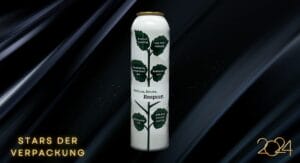
A spray can that can be refilled up to five times. Directly at the point of sale. This is how the start-up Respray from Hungary entered the market, the can comes from Tubex. This year's German Packaging Award was presented for the product.

The Can Holder from Smurfit Kappa shows how cans can be bundled without glue or plastic. And wins the German Packaging Award 2024.

Nomoq can supply quantities individually defined by the customer - from a batch size of one and also with the deposit label printed on.

The Cervecería y Maltería Quilmes brewery has been working with KHS for years and has now installed technology for filling and packaging cans.

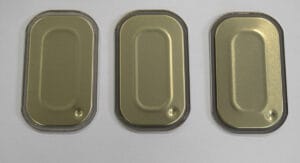
Henkel Adhesive Technologies has developed a new sealant for non-round lids for cans in the food industry.