German Environmental Aid carries out packaging check

The second packaging check by Deutsche Umwelthilfe shows that supermarkets and discounters generate an unnecessary amount of packaging waste.

In its second packaging check, Deutsche Umwelthilfe randomly examined 48 branches of 12 supermarket, discounter and organic market chains. Packaging-free shopping and reusable packaging were tested. The results show that supermarkets and discounters generate an unnecessary amount of packaging waste.

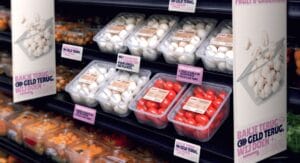
Only the organic markets performed satisfactorily and received a green card. The supermarkets and discounters Aldi Nord, Aldi Süd, Norma, Lidl, Netto Marken-Discount, Penny and Kaufland all received red cards. The sad frontrunner is Aldi Nord - in the shops analysed 72 per cent of fruit and vegetables sold packaged. In addition, discounters such as Lidl, Aldi Nord and Süd only use disposable packaging for drinks in the shops tested instead of regional reusable bottles.

Edeka and Rewe were the only supermarkets to receive a Yellow Card, with significant room for improvement in the fruit and vegetables, drinks packaging, milk and yoghurt categories. The organic supermarkets Denns, Bio Company and Alnatura once again performed satisfactorily and received a Green Card. The The discounters Aldi Nord and Aldi Süd remain the biggest packaging offenders in the DUH packaging check across all categories analysed.

„Our packaging check proves it: Supermarkets and discounters are not managing the packaging turnaround on their own. Although they advertise a lot about alleged sustainability, the reality is very different. Our test visits show an unnecessary amount of disposable packaging, too much plastic and waste. Even sturdy standard products such as carrots, apples and peppers are more often sold in disposable packaging than unpackaged. Compared to last year's packaging check, there were hardly any improvements. This shows that Environment Minister Steffi Lemke must solve the waste problem through binding guidelines. If we don't want to further exacerbate the plastic crisis, we need to halve packaging waste by 2027 and introduce an additional single-use tax of at least 20 cents on single-use plastic bottles, cans and drinks cartons. To this end, the so-called plastic tax for non-recycled plastic packaging must be passed on to the responsible companies and no longer financed from the federal budget.“

Display

Barbara Metz, Federal Managing Director of the DUH

In addition to the fruit and vegetable range, the DUH packaging check also shows a need to catch up in all other categories analysed. The Overall, the supply of reusable bottles was below the 70 per cent quota stipulated in the Packaging Act. The testers did find reusable milk and yoghurt in some supermarkets, but only in marginal quantities. At Aldi Süd, Aldi Nord and Lidl, once again no reusable products were found.

Few reusable offers

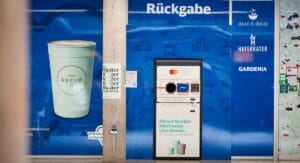
Particularly consumer-friendly Reusable pool cups and food boxes at fresh food counters or for coffee-to-go were hardly offered at all. Reusable boxes brought in by consumers were even rejected at the supermarket counter, for example at Kaufland. Filling stations for dry foods such as rice or pasta were only available at Bio Company.

„In addition to numerous negative examples, our packaging check also shows players that demonstrate how packaging waste can be consistently avoided. The organic markets Denns Biomarkt, Bio Company and Alnatura performed better than supermarket and discounter chains in all product categories analysed. For fruit and vegetables and drinks in particular, they have largely favoured unpackaged goods and reusable solutions - starting with the classic reusable bottle, the reusable coffee-to-go cup and filling containers brought to the fresh food counter. The organic markets have started exactly where our greatest opportunity to reduce waste and effectively protect the climate lies: omitting unnecessary packaging and reusing necessary packaging. The major food retailers must now finally follow suit if they are serious about protecting the environment.“

Thomas FischerDUH Head of Circular Economy

Source: DUH

More news on reusable packaging