Ericsson tests plastic-free packaging for heavy electronic products

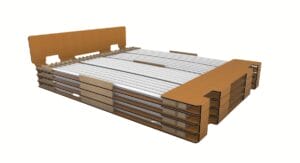
The Ericsson design team in Stockholm has developed a sustainable packaging solution for shipping Ericsson Remote Radio products. To do this, it has switched from plastic to wood fibre materials for the packaging inserts.

The Ericsson design team in Stockholm has developed a sustainable packaging solution for shipping Ericsson Remote Radio products. To do this, it has switched from plastic to wood fibre materials for the packaging inserts.

The aim of the sustainable packaging design project is to, reduce the environmental impact of Ericsson packaging. At the same time, the aim is to ensure the efficiency of production, logistics and disposal and reduce the risk of contributing to plastic pollution of the oceans.

The sustainable packaging solution consists of 99% fibre-based materials, which facilitates recycling and reduces plastic waste in the supply chain. The 100 per cent corrugated cardboard inserts also reduce the packaging size by 15 per cent and 20 per cent respectively compared to conventional plastic inserts.

Thanks to a abrasion-resistant coating of the wood fibre material Ericsson can also dispense with the plastic bag that is normally used to protect the product surface. The remaining plastic part is the adhesive tape, which is used to seal the outer packaging.

Display

The development plastic-free packaging for heavy electronic products (in this case with a weight of 24-36 kg) requires an innovative approach. In co-operation with two suppliers, Nefab and DS Smith, Ericsson has developed two designs that incorporate the new materials. At the same time, they maintain the high stability required to protect the product during transport.

„Packaging is part of our goal to halve supply chain emissions by 2030, and eliminating plastics contributes to our climate and environmental goals. Ericsson's design team has shown that it is possible to remove plastics from the packaging of complex and heavy telecoms equipment while maintaining a high level of product protection.“

Mats Pellbäck Scharp, Head of Sustainability at Ericsson

Tests with Swisscom and Deutsche Telekom

In addition to dispensing with plastics and being fully recyclable, calculations show that the new packaging in terms of carbon dioxide equivalent (CO2e) over the entire life cycle achieve a balanced or better result compared to existing solutions.

The global efforts to achieve Net Zero and the new legislation and taxes on plastic packaging (initially in the EU, Canada and India) require an industry-wide change in the materials used in global supply chains.

Ericsson hopes that the new packaging solution will after successful trials with Swisscom and Deutsche Telekom, which took place at Deutsche Telekom's Greek subsidiary Cosmote, will be deployed at other customers in the coming months. In future, it will also be available for other hardware products.

The plastic-free packaging initiative is part of Ericsson's sustainability strategy, which also includes the goal of minimising plastic in the company's entire value chain by 2040. Net zero target to reach. The circular economy is an important instrument for this goal, but also for the selection of sustainable materials.

Source: Ericsson

Green packaging and sustainability - More news