How creative is artificial intelligence?

AI systems have been influencing our everyday lives for a long time, and it is impossible to imagine industry without them. But what can artificial intelligence do in the creative sector? Packaging designers also use self-learning programmes to make time-consuming routine work easier.

AI systems have been influencing our everyday lives for a long time and it is impossible to imagine industry without them. Whether in production, logistics or quality control - they already perform many tasks faster than humans. But what can artificial intelligence do in the creative sector? Packaging designers also use self-learning programmes to make time-consuming routine work easier.

ChatGPT has attracted a lot of media attention in recent months. AI was suddenly on everyone's lips. But whether we use voice assistants such as Alexa or Siri, control our heating via the internet or have the car calculate the best route for us - we are still using AI. AI algorithms have long been in play in many places. Just like in industry, because work processes are becoming increasingly complex. With its self-learning algorithms, artificial intelligence is capable of, perform some tasks significantly better and faster than humans.

Artificial intelligence is also a hot topic in the creative industry. AI tools are already helping packaging designers to realise their ideas more quickly, by taking over individual building blocks in the development process that previously had to be carried out by employees in a time-consuming process. Designers are convinced that in future it will no longer take months for new packaging to appear on the shelves, but just a few weeks.

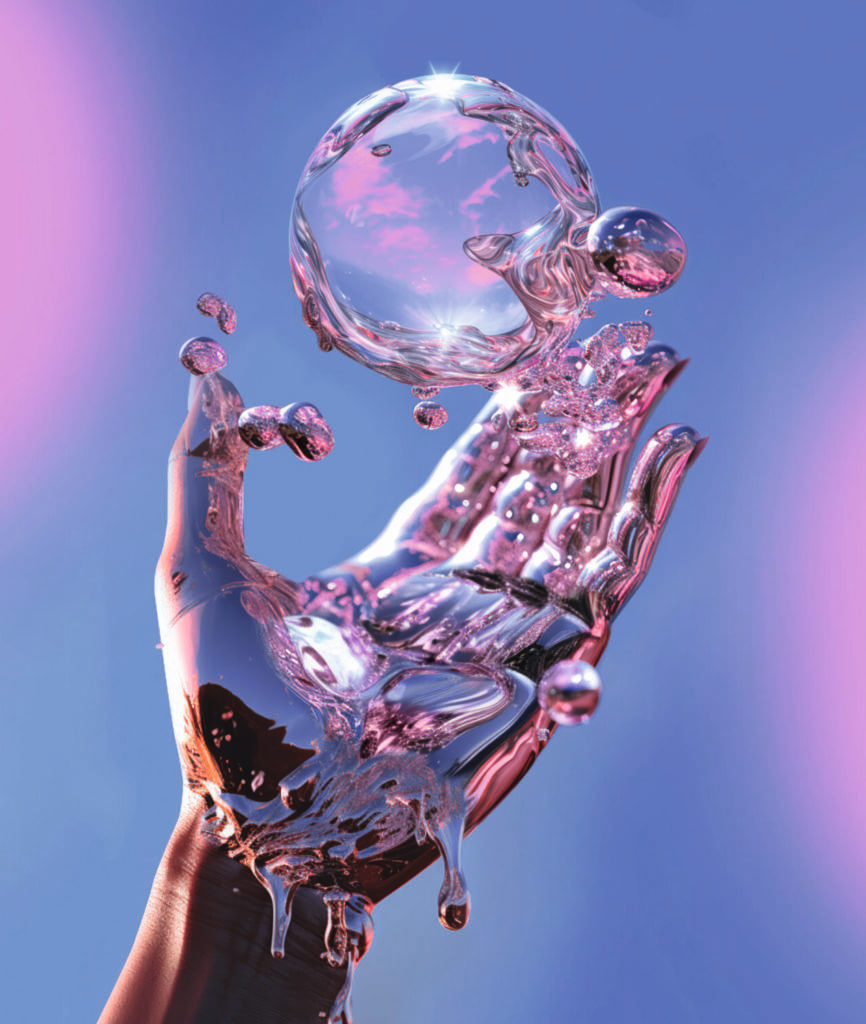
Good design needs the human spirit

The trend and packaging design agency WIN Creating Images has already integrated artificial intelligence into its workflows.

Display

„We experience AI as enriching support. It helps us to speed up work processes and gives us more time for strategic and conceptual thinking - in other words, what we love as creative people.“

Patrick Stöppler, Head of Design at WIN.

AI image generators can be used to sketch out initial ideas, which can then be completed „analogue“. „But to create a truly new design, you need the human mind. Creativity cannot be replaced by artificial intelligence. In our creative process, we pay attention to gut feelings and allow ourselves to be influenced by emotional perspectives. Brainstorming is about inspiring dialogue and thinking outside the box, thinking visionary. Humans are still far ahead of machines in this respect - and will remain so. Nevertheless, AI is of great benefit to us, a sparring partner, so to speak. We just need to use the tools correctly and must by no means regard artificial intelligence as an enemy“, says the designer.

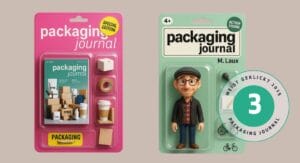
(Image: WIN Creating Images, generated with Midjourney)

Like WIN, many agencies are currently looking for areas of application for AI. The possibilities are far from exhausted. Patrick Stöppler: „Development is currently taking a giant leap, which is revolutionary. But: artificial intelligence only recombines existing information, there is nothing visionary about it.“ However, it is currently developing rapidly.

„This is also scaring people right now, because the last leap with ChatGPT happened very quickly and the topic is very much in the media. But it's actually a steady development that just feels so fast at the moment. AI has not suddenly appeared in our everyday working lives. The development has been apparent for a long time, but companies are now using the tools more and more, and the results are so much better today than they were nine months ago. For example, we can now submit proposals for shooting templates in a much shorter time.“

Tim Gelzleichter, Lead Digital Transformation at WIN

WIN is currently managing its first food brand with the help of artificial intelligence. This is being used to generate initial sketches for the product presentations, for example, which are then further developed „analogue“ and then shot. Patrick Stöppler: „For AI to deliver useful results, we need to have concrete ideas. In the case of food packaging, for example, how the product presentation should look. We have to provide ideas for the environment, perspective, light and much more in order to fulfil the brand positioning as well as the wishes and preferences of consumers. So getting good results is not that easy. It doesn't work without conceptual thinking.“ Artificial intelligence does not make a packaging design ready-made at the touch of a button. 

„Made by humans“ must remain

„I don't think that artificial intelligence will replace humans in our field,“ says Moritz Carstens, Creative Director of the design agency Mutabor. „Humans do not think algorithmically, but emotionally and irrationally. Our intuition will remain important, because the machine can't do that.“

But in future, a brief description and a technical drawing could be enough for an AI tool to develop detailed suggestions for a new packaging design.

„This will speed everything up. It will no longer take a year for a product to reach the market. It will only take a few weeks or even days from the idea to the finished packaging, especially if digital printing machines are used. For me, this is the revolution that has failed to materialise in packaging in recent years.“

Moritz Carstens, Creative Director Mutabor

Mutabor also works with AI systems, which are already an important part of the creative process for the agency. „The topic of artificial intelligence is shaking up the industry and, as a new tool, is naturally also driving the design sector. We will see many changes in the future. AI will simplify and accelerate workflows. Digitalisation has already brought revolutionary changes in recent years, Now everything goes even faster, and we have to respond to this.“ Until now, the processes in packaging design have remained relatively rigid, as once packaging has been produced, it cannot be changed again so quickly. „There is a lot of work involved in the manufacturing process - from market research to quality control, it takes a long time, costs money and employs a lot of people. AI can take over many individual building blocks here in the medium or even short term.“

For AI systems to work, they need a lot of data. But when it comes to data protection, users sometimes find themselves in a grey area. Mutabor is therefore currently developing its own AI tools. Moritz Carstens: „We hope that this will Make licensing of image material possible in future to be able to do so. We also work with our customers“ highly sensitive data and have to be very careful about what we feed the AI with. Having our own tool provides the necessary security."

Creative agencies that do not engage with AI will have problems in the future, says the designer. „We now have to think about how we can adapt our business model in the future. I'm sure there are already the first agencies that only work with AI.“ Mutabor organises internal workshops and hackathons to get employees up to speed. „The spread of AI systems will come very quickly. We are already barely keeping up with developments. However, we must ensure that ‚made by humans‘ is not devalued. In the end, AI should only make work easier, increase productivity and take over uncreative routine work.“ However, as is always the case with new technical developments, people are often too pessimistic at the beginning. „We should draw innovations from AI and play with the possibilities of the tools.“ The designer is already using artificial intelligence wherever customers want it. „After all, AI is also a top marketing topic, and the hashtag AI clicks well.“


Artificial intelligence - More news