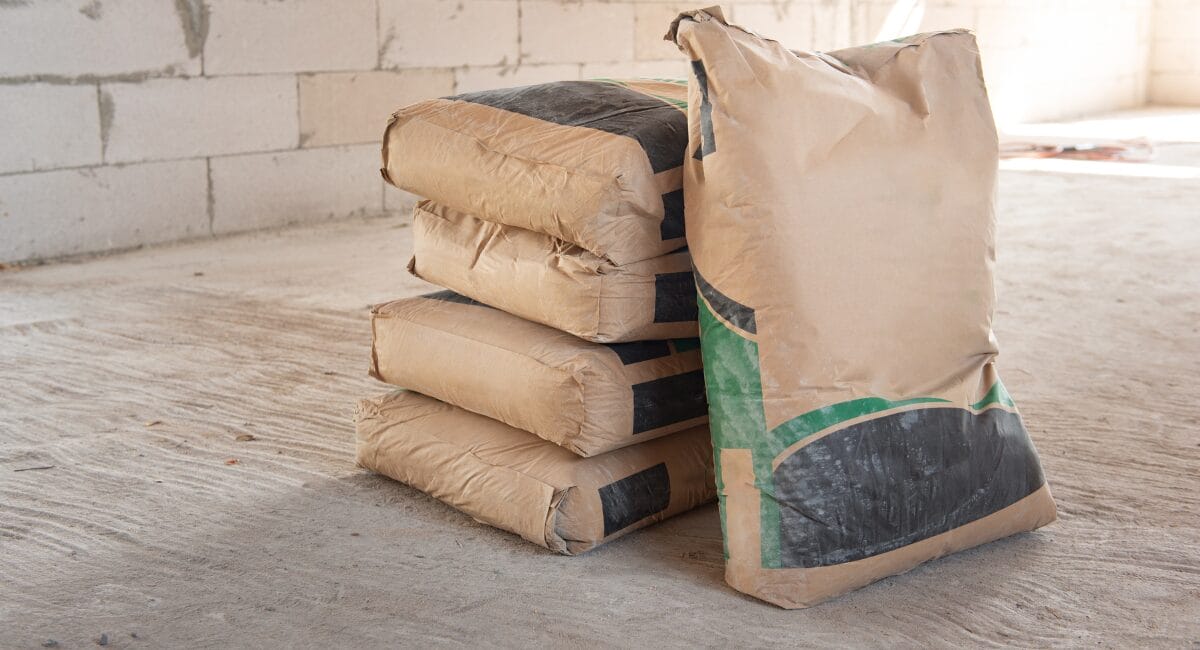
The LCA (Life Cycle Analysis) study recently carried out by the Swedish research organisation RISE shows a steady downward trend in the fossil carbon footprint of the production phase of average kraft paper and paper sacks in Europe. This trend continued from 2018 to 2021: The Carbon footprint per tonne of kraft sack paper improved with a decrease of 442 kg CO2e to 421 kg CO2e by 5 per cent. The CO2-balance for paper bags showed a slight improvement of 1 per cent. The value here fell from 87 g CO2e in 2018 to 86 g CO2e per paper bag in 2021. The emissions from the production of kraft sack paper are 61 per cent. is the most important factor for CO2-footprint of average European paper bags.
The figures from recent years show an impressive development. A comparison of the most recent data with the results of the first LCA study conducted by the European Paper Sack Research Group (ESG) in 2007 shows a significant Reduction in fossil carbon footprint per tonne of kraft sack paper of around 26 per cent - of 570 kg CO2e to 421 kg CO2e. The decrease is primarily due to fewer emissions from net purchased electricity and from the combustion of fuels used in the paper mills. Viewed per paper sack, the reduction of 118 g CO2e per paper bag in 2007 to 86 g CO2e an even more pronounced downward trend in 2021. It represents an improvement of 28 per cent. The reduction is due to a reduction in the weight of paper sacks and the consumption of fossil fuels.
„It's great to see that even small steps can lead to big changes in the long term. Our members are committed to continuously making their manufacturing processes more sustainable. That's why we have been keeping a close eye on energy consumption and emissions in our industry for more than 15 years. The data shows us where we need to start in order to reach the next level in reducing our environmental impact. As the entire value chain is becoming increasingly important for sustainable business practices, more and more players are turning to our data to gain insights into how to manage the path to climate neutrality.“
Catherine Plitzko-Kerninon, General Delegate at EUROSAC
The production of kraft sack paper is less dependent on fossil fuels and the External consumption of fossil fuels was reduced by 9 per cent between 2015 and 2021. In 2021, renewable energies account for a high proportion of the fuels used. Overall, biofuels account for 92 per cent of all fuels used in the companies, 78 per cent of which are produced as part of the manufacturing processes in the paper mills. Furthermore the paper mills generate 59 per cent of the electricity they need themselves. In 2021, 29 per cent of the electricity consumed by paper mills and drawn from the power grid was classified as „green“ energy.

When young trees grow, they absorb carbon dioxide (CO2) from the atmosphere. Forestry products such as paper sacks store carbon throughout their entire life cycle. If the biogenic degradation from the „cradle-to-gate“ production phase were included in the calculation alongside the emissions, the CO2-even a negative result.
„This proves once again that paper bags are a low-carbon solution with a potentially even negative carbon footprint,“ explains Catherine Plitzko-Kerninon. An even more complete picture of the entire life cycle („cradle-to-grave“) would be obtained if the system boundaries were extended and the end of life of the paper sacks were included in the analyses. However, this method is not entirely unproblematic due to the questionable accuracy of the data.
„In a circular economy, recycling is of course the best way forward. Recycling paper and cardboard products has another advantage: it delays the return of the stored CO2 into the atmosphere. That is why our industry is committed to promoting and advancing the recycling of paper bags after use.“
Catherine Plitzko-Kerninon
Source: eurosac