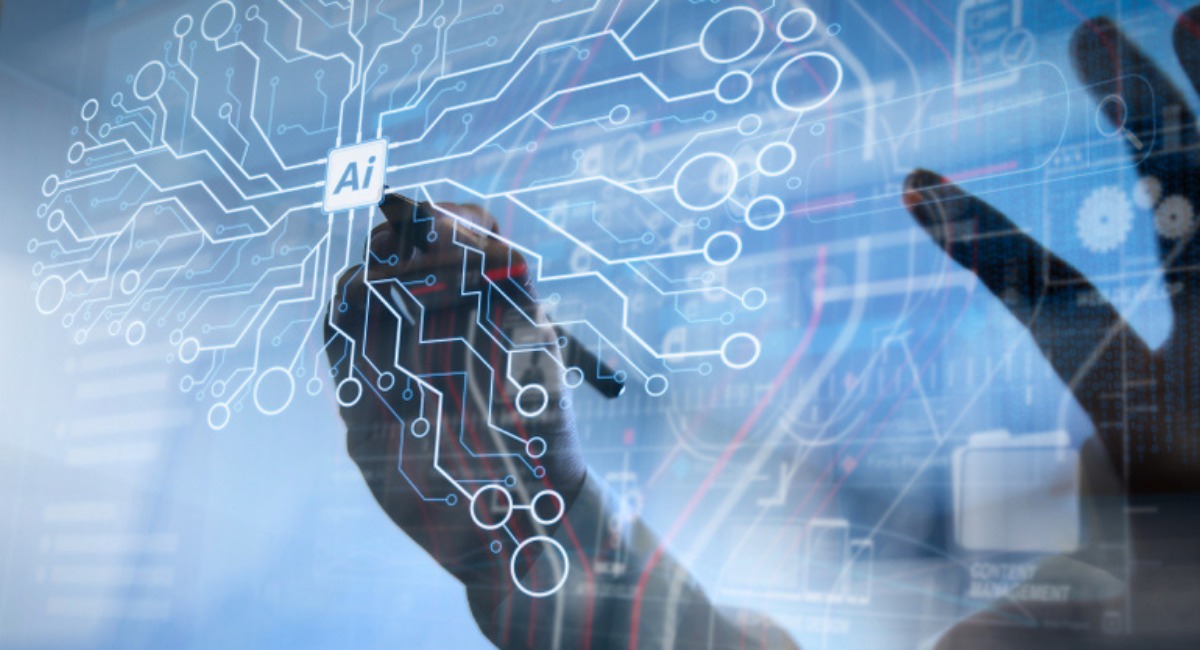
The topic of artificial intelligence and its integration into current product and solution developments will dominate large parts of the trade fair at LogiMAT 2024. This key technology is an integral part of intralogistics and this year will shape both the wide range of applications for the new and further developments on show and the trade fair's supporting programme.
According to a representative study conducted by the digital association Bitkom in autumn 2023, a good two thirds (68 per cent) of companies in Germany consider AI to be the most important technology of the future. AI-based applications are already well established as a supporting tool for evaluations, efficiency and optimisation. In intralogistics, AI has become an integral part of the rapidly advancing technological development of systems and solutions.
„Artificial intelligence, as exhibitors from all industry segments at LogiMAT will demonstrate, supports the automation of complex applications, enables fast and precise problem analyses in real time and accelerates processes. This strengthens the competitiveness of companies and optimises the use and consumption of resources.“
Michael Ruchty, Exhibition Director, Euroexpo Messe- und Kongress-GmbH
The various aspects under which AI acts as a driver of developments in intralogistics are highlighted in the LogiMAT supporting programme by five Expert-Forums in the East Entrance Atrium. Michael ten Hompel, Managing Director of the Fraunhofer IML, will be presenting three start-ups that develop new technologies in the areas of AI, blockchain and platforms-as-a-service and shape the future of intralogistics. Robert Schulz, Head of the Institute of Materials Handling and Logistics (IFT) at the University of Stuttgart, explains how AI-based simulation increases process reliability from the planning to the operation of production/logistics systems. And Michael Lickefett, Head of Department at Fraunhofer IPA, uses a quick check of order management to show how software with AI supports optimisation analyses to identify potential weak points.

Solutions for future-proof warehousing
The use of artificial intelligence initially involves software processes. AI applications are based on specially programmed algorithms, individual steps for solving a target. Favoured by extremely high computing speeds and storage capacities, computer programs with AI algorithms carry out calculations at breakneck speed, that identify patterns and deliver results in the shortest possible time. In this way, AI-supported functionalities open up a wide range of application areas for the analysis, provision, processing and visualisation of data for optimised process control in intralogistics.
AI algorithms support automation options ranging from „reaching into the box“ of autonomous picking robots using image recognition and AI-based analysis to AI-supported, coordinated process control of order fulfilment. Depending on the software specification, the analysis results can, for example, automatically trigger real-time operations or analyse complex data volumes and create reliable forecast material. The focus is therefore on the applications and functionalities of the software developers who want to utilise their current AI-based solutions for future-proof warehouse, transport and supply chain management in Hall 8 at the Stuttgart Exhibition Centre.
Scenarios with AI and mobile robotics solutions
Alongside the software companies, plant manufacturers and system integrators will be presenting AI-based new developments. In Hall 1, for example, scenarios with AI and mobile robotics solutions will showcase innovative Software and automation technologies for end-to-end supply chains will be presented. An AI tool for predicting order loads and bottlenecks in the material flow will also be on show there as an AI-based assistant for logistics systems. AI-based software programmes and the latest advances in accompanying technologies such as sensor technology will also determine the new and further developments on show at the exhibitors in the areas of automated guided vehicles (AGVs), shuttles and autonomous mobile (transport) robots (AMRs) in Hall 6. AI algorithms and machine learning characterise navigation and image processing technologies. New fleet management and navigation systems for the mobile work and transport assistants.
„For generative AI applications there will certainly have to be characterising regulations in the future. In general, however, artificial intelligence is a key technology and an integral part of the development of current products and solutions for efficient intralogistics,“ summarises Exhibition Director Ruchty.
Source: LogiMAT