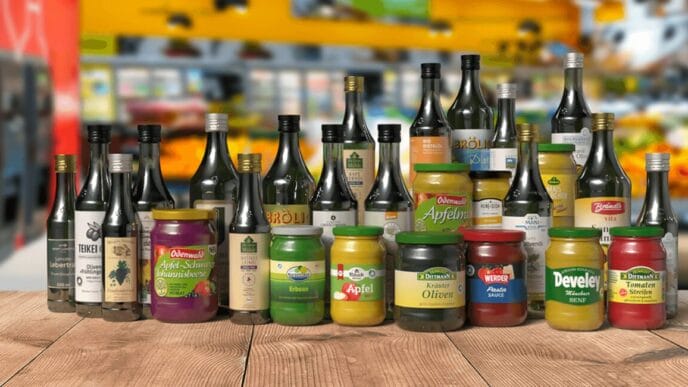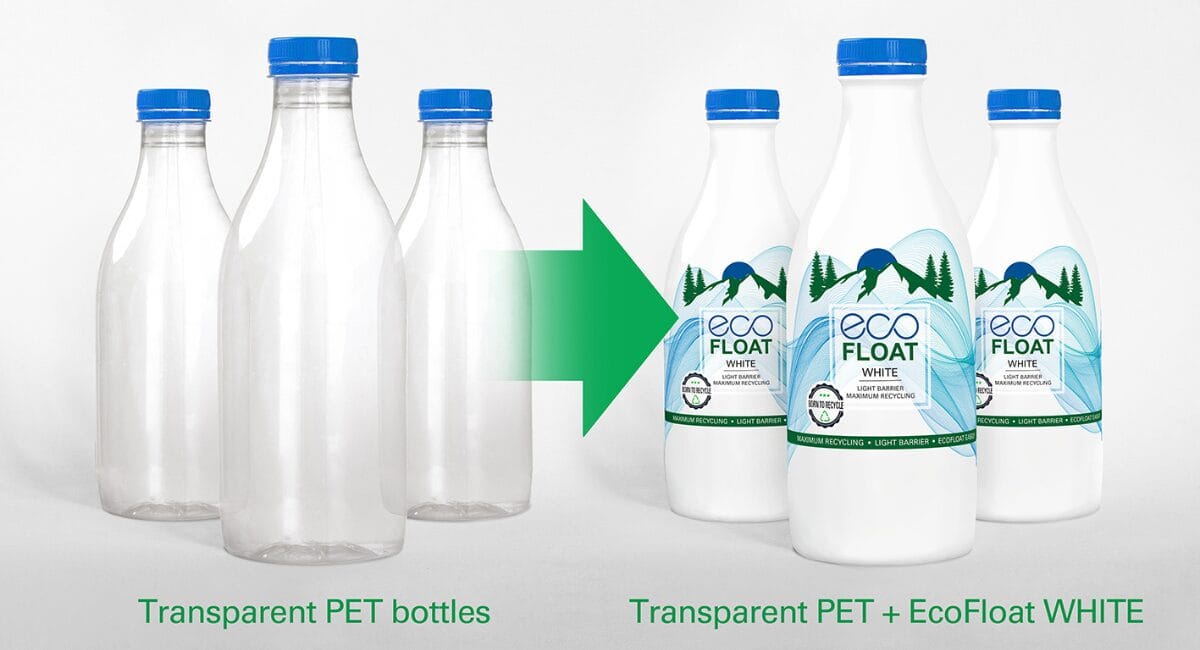
CCL Label is launching a solution for PET bottles that is designed to support recycling. EcoFloat WHITE is a white, opaque, low-density sleeve that separates easily from the bottle during the recycling process.
„EcoFloat WHITE will improve the recyclability of packaging for dairy and other light-sensitive products - we expect this to be a game changer. The dairy industry often uses bottles made from opaque materials such as HDPE for yoghurt, probiotic drinks or similar products. However, these white bottles are rarely recycled for food-grade applications for a number of reasons, including strict food contact regulations - so the bottles leave the packaging cycle. We have seen a big trend in the food and beverage industry, but also in the household and personal care industry, towards transparent PET packaging, which already has an established food recycling loop. Our aim is to support this with functional product decoration.“
Günther Birkner, Member of the Management Board at CCL
By using transparent PET bottles with a white sleeve, companies achieve two advantages at the same time. The entire Bottle is fully recyclable, while at the same time having the same look and feel that marketing is aiming for - to maximise the messages and mandatory information given to consumers on the bottle. Millions of additional PET bottles are recycled and made into a new bottle, giving the packaging many „extra lives“.
Protection of sensitive products
An important requirement for dairy products is the Light shielding to keep the product fresh and extend shelf life to maximise the light barrier. In the past, this light barrier was often achieved with a layer of black or silver ink, which is essential to protect the products but can also be detrimental to sorting and recycling, as the commonly used near infrared (NIR) detection system has difficulty recognising the underlying material.

„With 80 per cent of recycling being sorting, we needed to ensure that our solution could be recognised with the standard technology used in the recycling industry today. We can use carbon-free inks to create additional light-blocking properties on the sleeve. These work well in NIR detection, as we have seen in tests. The rigid PET bottle underneath is recognised and the bottle is sorted into the correct waste stream.“
Norbert Fenkart, Head of the Research and Development Department (R&D) at the CCL Centre for Sustainable Banderoles in Dornbirn, Austria
The sleeve also helps with the crucial process step of sinking/floating in PET recycling, as it consists of a buoyant polyolefin material with low density consists of. It separates automatically from the PET bottle flakes and the density separation is very simple and clean: the heavier PET flakes sink to the bottom of the container, while the floatable material collects at the top of the container and can be easily collected and removed. The recycler receives High-quality, clean PET flakes, which can be recycled into food-grade packaging for the dairy industry and other sectors.
Source: CCL Label