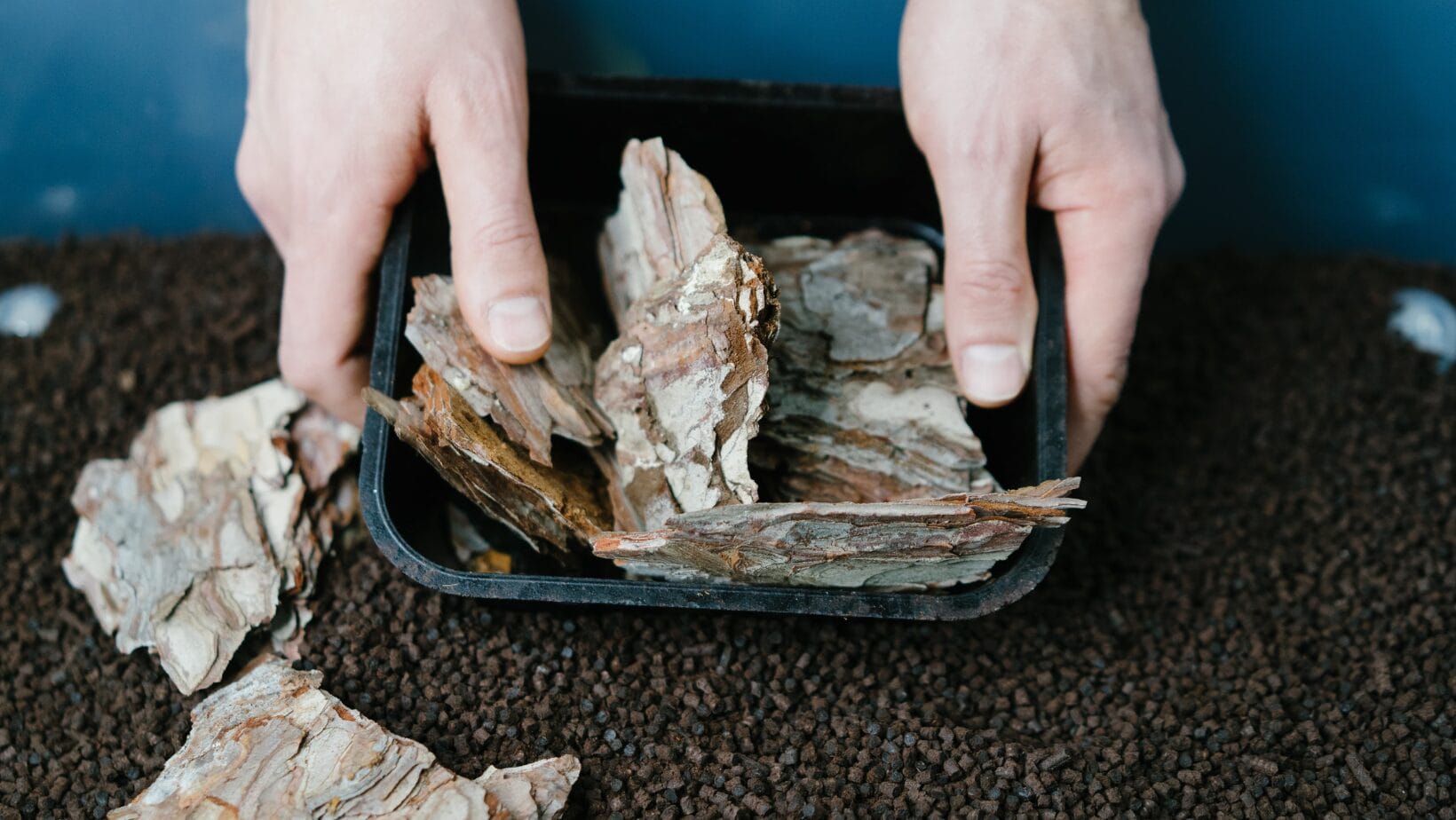
The start-up Bpacks has developed a new type of packaging technology that produces a material based on tree bark to seamlessly replace plastic materials. The new material can be seamlessly integrated into existing systems for the production of plastic packaging.
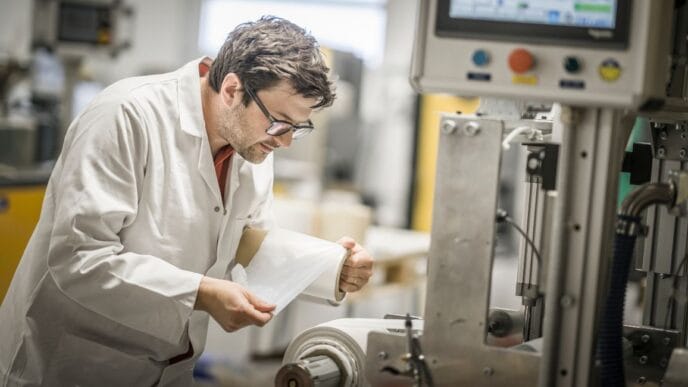
Headquartered in London, the start-up has a 300 square metre research and development centre in Belgrade, Serbia. Both finished packaging and granulate as a substitute for plastic granulate can be produced there. The production process for tree bark-based pellets is similar to that for polymers and requires no investment, as the manufacturing process is similar to that of plastic production. The production process of Bpacks begins with compounding, followed by the production of pellets or sheets and ends with the moulding of solid packaging, which is either by injection moulding or thermoforming can be produced.
The material should be able to settle in moist soil decompose completely within one to two months. In an active environment, it even turns into compost within a week, enriching it with valuable nutrients.

„Conventional bio-packaging often cannot compete with its plastic counterparts in terms of price and complexity of integration. Our bio-based plastic substitute can be produced using existing plastic production facilities, so there is no need to invest in new equipment. Our packaging is 100 per cent bio-based, with up to 75 per cent of the materials being obtained from production waste. We also work with used machines, which helps to reduce our CO2 emissions.“
Mikhail Skalkin, Co-founder and CEO of Bpacks
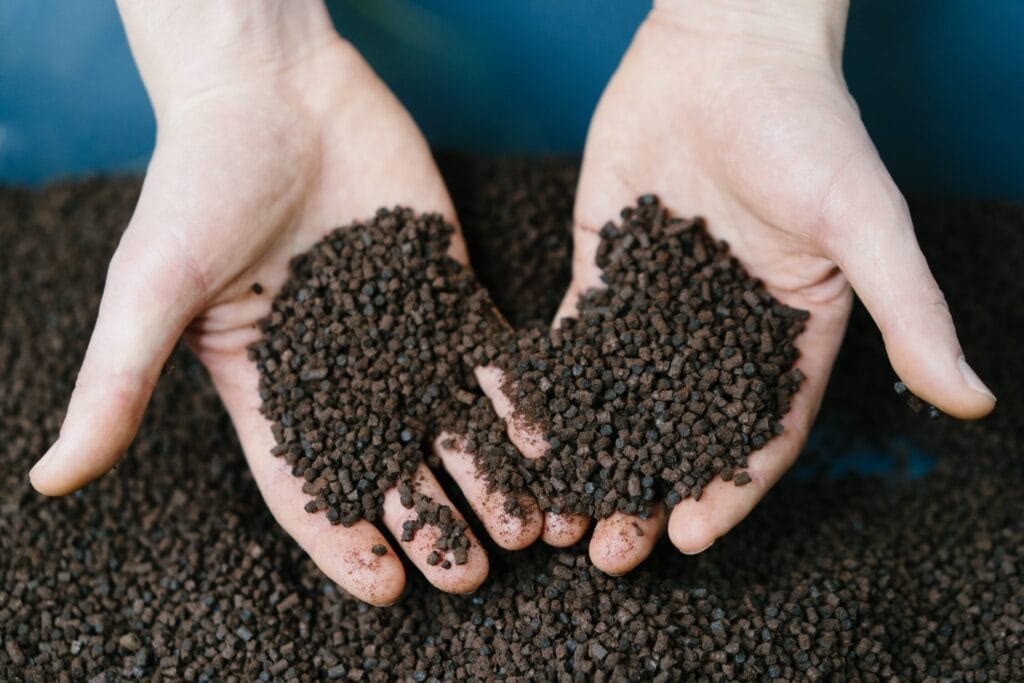
Through the use of bark, a waste product of wood production, As the main raw material, Bpacks wants to ensure that forest resources are not further impacted. With an estimated bark production of 300 to 400 million cubic metres per year, the startup uses this abundant resource to develop environmentally friendly packaging solutions. In addition, studies have highlighted the antimicrobial potential of bark extracts from various tree species, which further enhances the functionality of the Bpacks technology.
Bpacks was developed by an experienced Team of entrepreneurs and scientists with doctorates and is supported by an international advisory board. The start-up is active in Europe and the UK.
Source: Bpacks