In retail, transport packaging often generates large amounts of packaging waste. Reusable solutions, on the other hand, follow the principles of reduce, reuse, recycle and repurpose. Sustainability is no longer a „nice to have“ for companies, says Thomas Estock, Director of Sustainability at Orbis Corporation.
Mr Estock, the circular economy aims to keep products and resources in circulation for as long as possible. How does your reusable plastic transport packaging fit into this?
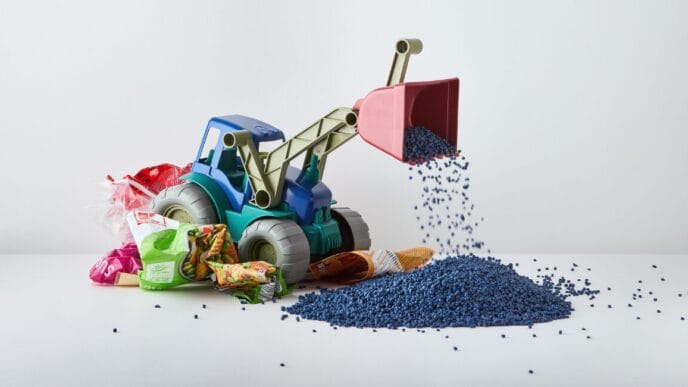
We design load carriers to be as durable as possible and to last many cycles in the supply chain before they are recycled and reused at the end of their service life. We then use the material to manufacture new products.
If the emission of CO2 in the EU, companies must review their entire supply chain, including Scope 3 greenhouse gas emissions. Companies can indirectly reduce these emissions caused by suppliers by introducing circular products or working with selected suppliers that take ESG criteria into account. This is where Orbis can be the right partner and solution provider. Our products are fully recyclable at the end of their life cycle. We process the material into post-consumer resin pallets, which are used as the starting point for new load carriers.
What other benefits do companies generate with reusable solutions?
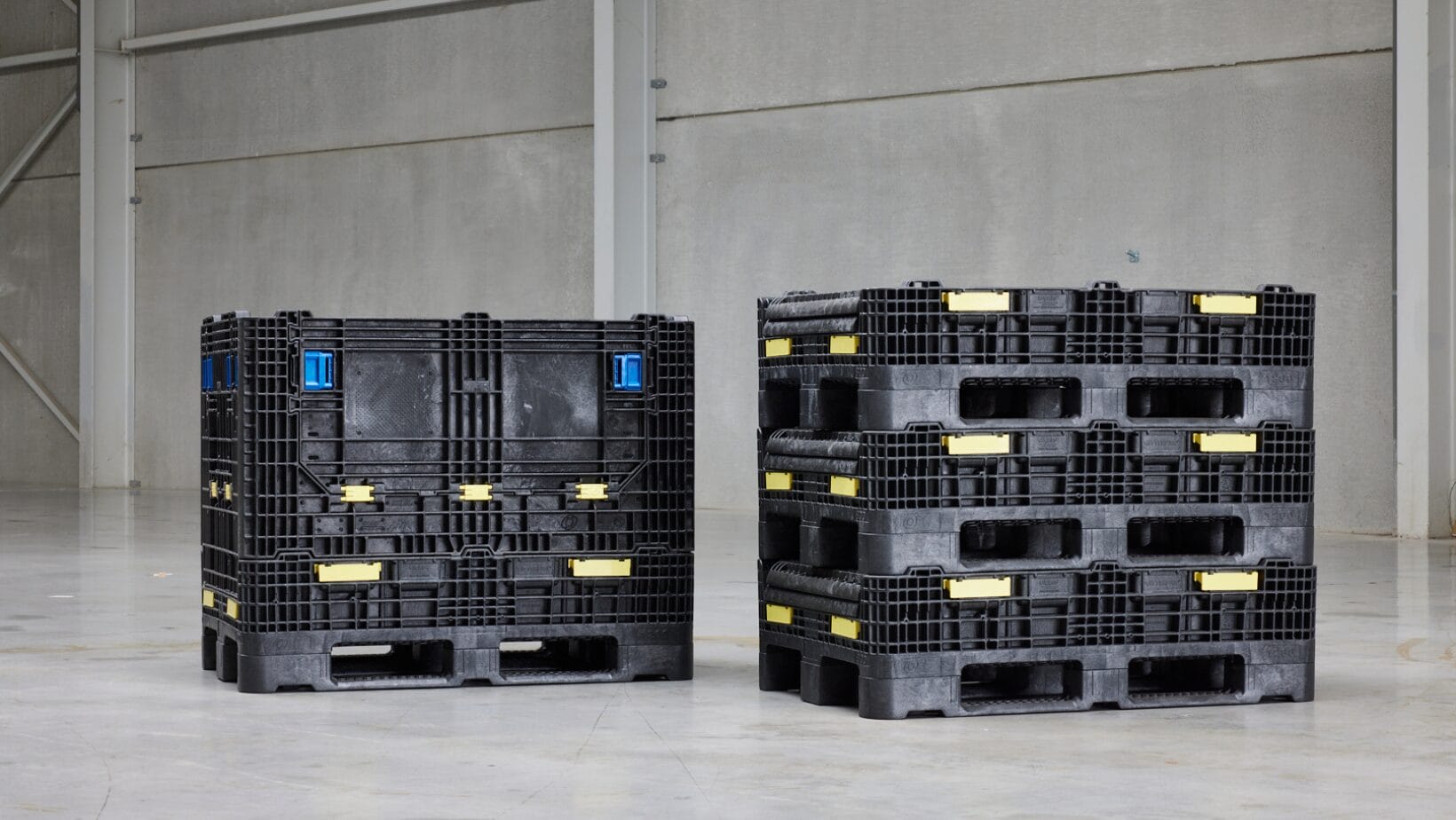
To remain competitive, companies need to increase their operational efficiency. Reusable packaging can help with this. Although the initial investment is often higher, this is offset by the high resistance and the associated long service life of the load carriers. For example, our Odyssey pallet, which we developed in our in-house innovation centre in the USA, can withstand 400 rotations in the supply chain. Under the same conditions, a wooden pallet only manages eleven rotations. At the end of their life cycle, Orbis buys back the pallets and offers a credit note for future pallet purchases. At the same time, disposal costs are eliminated, as is downtime due to inconsistent packaging.

What recyclable solutions does Orbis currently have in its portfolio?
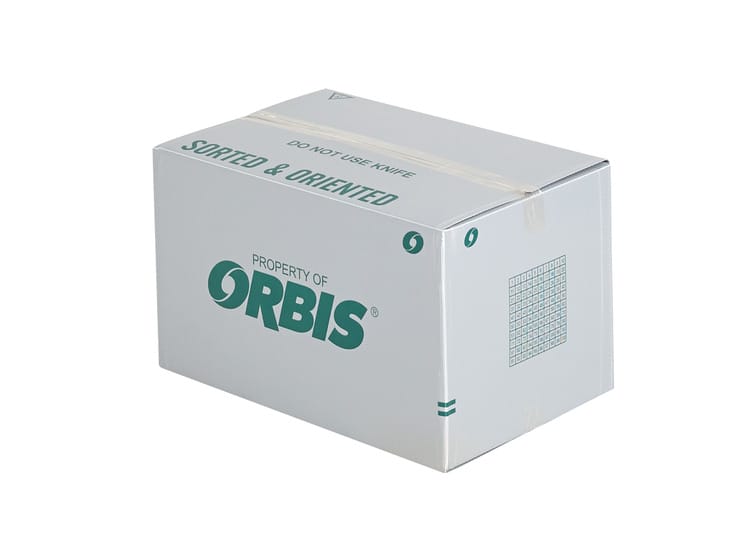
Our portfolio includes the aforementioned Odyssey pallet, whose pallet design we have further developed with the 3-runner Odyssey pallet in order to integrate it into automated systems and provide additional durability and longevity. With PlastiCorr, we offer a reusable plastic solution that can be used as a one-to-one replacement for corrugated and cardboard boxes in the FMCG industry. And for transporting heavy loads in the manufacturing and automotive sectors, there is the foldable GitterPak large load carrier as a recyclable alternative to steel mesh boxes.
How do you support customers on their way to greater sustainability?
In order to fulfil the current legal regulations, companies need to understand the environmental impact of their decisions. This is the only way to reduce the environmental footprint and cut costs in the long term. With our „Packaging Lifecycle Assessment Tool“, for example, we have developed a calculator that provides guidance by showing and comparing the environmental impact and costs of reusable transport packaging compared to disposable packaging made from different materials, from the extraction of natural resources to the end of the life cycle. The tool analyses factors such as CO2-emissions, energy and water consumption and waste generation. Our product managers use this data to develop a customised solution and a plan for a sustainable and economical supply chain.
At our innovation centre in the USA, we are also able to test alternative materials such as hemp or bamboo. We want to find out whether these offer equivalent or even better properties for our products. These include durability, cost efficiency and simplified recycling.