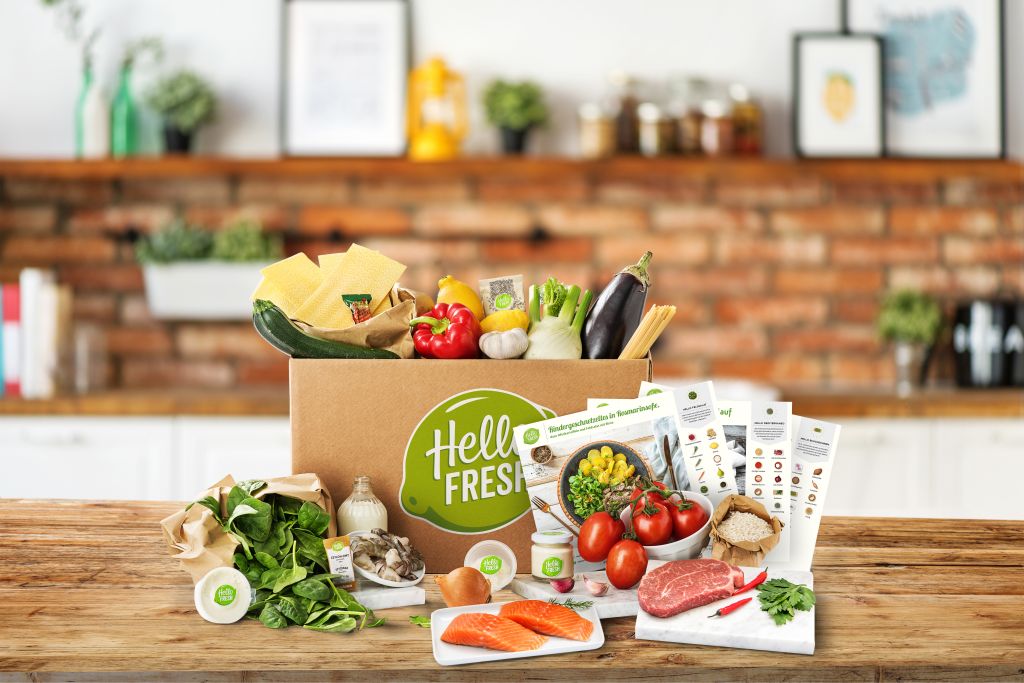
E-commerce in food retail has only had a small market share in Germany to date. Online cooking box providers such as „HelloFresh“ show the direction in which online food delivery could develop. Behind this is a sophisticated logistics and packaging concept.
Cooking is still a trend. Working people, young families, but also active, older couples often have too little time to put together delicious recipes for the next few days. In rural areas in particular, it is also difficult to get hold of all the ingredients you need. Customers like these Online delivery services from „Cooking boxes“. Ambitious amateur chefs will find all the ingredients precisely portioned with detailed preparation instructions.
One of the best-known providers is „HelloFresh“ from Berlin. Over the course of the company's seven-year history, the culinary mail order company has become a packaging specialist. The founders soon secured the services of the Thimm Group from Northeim for the packaging. Initially, the focus was on the robustness of the packaging. In the meantime Thimm and the company with the lime in its logo on many other aspects.


The shipping box should also impress the neighbours
„From experience, I can say that it naturally also makes the neighbours curious when an attractively designed and eye-catching box is regularly placed in the hallway.“ Nils Herrmann, Managing Director and COO Germany and Austria at HelloFresh, cites one key aspect of the Packaging and shipping concept. The cooking boxes are delivered directly to the customer's home or can be left on the doorstep by the delivery service if the recipient is not at home. The box then acts as an advertising space. This is ensured by the eye-catching company logo with the lime and references to seasonal promotions and other product benefits of the online offer.
The fact that Thimm and HelloFresh are focusing so intensively on the flawless external appearance of the packaging is not only for the desired advertising effect, but also for tangible economic reasons. When asked about this topic, Michael Weber, Head of Corporate Marketing at Thimm, points out that it is also about avoiding returns. Although these are Food e-commerce only possible to a limited extent, but you don't want to waste any food either. In addition, the aim is to further bind the Kochbox customers to the product: „The first impression is particularly important when shipping food, because you don't want to eat something that is delivered in a completely unappealing container.“
[infotext icon]This is the HelloFresh companyHelloFresh was founded in Berlin in 2011 by Thomas Griesel, Jessica Nilsson and Dominic Richter. Richter and Griesel are CEOs. The start-up company, in which Rocket Internet has a stake, has been listed on the stock exchange since November 2017. The company is now also active internationally in countries such as the UK, Belgium, the Netherlands, Switzerland and Australia. According to wallstreet-online.de, the company generated a turnover of more than 900 million euros in 2017 with a pre-tax loss of 95.1 million euros[/infotext].
E-commerce consumers want three things at once
Modern e-commerce customers also expect a lot from packaging beyond this (the „packaging journal“ recently reported on this in Issue 2/2018). You want simple handling, full Recyclability and as little waste as possible. Of course, all components must also be approved for direct contact with food. HelloFresh communicates all of this proactively. Detailed information about ingredients and recycling options is provided on the packaging itself and on the internet.
HelloFresh switched to a new, second generation of packaging in summer 2017. In cooperation with Thimm, a more compact, more stable, more cost-effective Single-material solution made from corrugated cardboard found. In total, there are three sizes of shipping boxes based on the FEFCO 0201 standard. According to HelloFresh, the average amount of cardboard used has been reduced by 38.8 per cent and the average weight by 28 per cent. The FSC-certified paper used consists of around 80 per cent recycled material.
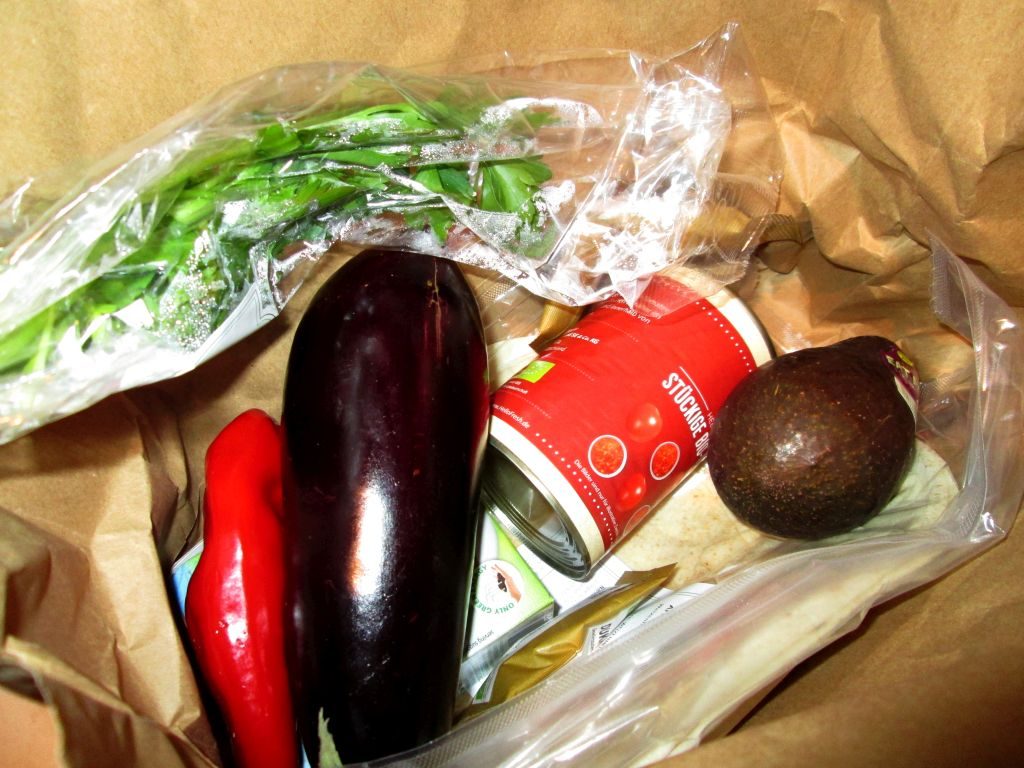
How does the tomato reach its destination undamaged?
But how are the contents protected in the HelloFresh carton? How does the shipper ensure that a tomato does not arrive at the customer completely crushed? To find out, it's worth taking a look at a sample cookery box shipment. You can recognise a Three-stage packing and protection system, which the company describes to „packaging journal“ as follows: Firstly, the outer cover, the sturdy shipping carton, serves as protection against transport damage. Inside is one box per selected dish. Paper bag with all the necessary ingredients, from vegetables, spices and baked goods to dishes such as rice or pasta. The bags, which are sealed with two paper seals, prevent the individual ingredients from flying around in the box.
The „Cool Pouch“ cools and secures the ingredients
The „Cool Pouch“ immediately catches the eye when you open the box. This large bag, filled with a thick layer of insulating wool made from 80 per cent recycled PET bottle material, contains all the ingredients that need to be chilled, such as meat and dairy products, along with a few cool packs.
Finally, the Packing pattern even the safe transport of the goods inside. Nils Herrmann describes it as follows: „Here, care is taken to ensure that the tomato is not placed next to the tin of chickpeas, for example, which could damage the tomato.“
Economic and sustainability aspects mean that the experts at HelloFresh and Thimm are constantly optimising packaging. The latest example: fragile plastic containers for yoghurt or crème fraîche will be a thing of the past in future. As they are transported in the Cool Pouch, they were previously protected from the hard cool packs by additionally placing the plastic cup in a more robust paper cup. At the same time, the cooling elements held the cups in place. The additional paper cup will be dispensed with in future. Yoghurt will then be supplied in more robust pouches, as consumers are already familiar with from dressings for ready-made salads.
[infotext icon]How to place an order with HelloFreshHelloFresh customers use the website or a smartphone app to select the dishes they want to prepare for the coming week, which starts on Saturday, by Wednesday night. There is a choice of six vegetarian and four meat dishes every week. All packages are put together at the production and logistics centre in Verden/Aller. Producers and suppliers deliver the required ingredients fresh to the centre as needed. Very little is stored. The cookery boxes, which are put together the morning of the previous day, are then delivered Monday to Friday mornings, depending on the order, using the delivery services „DPD Fresh“ or „Liefery“[/infotext].