Bioplastics are gaining ground in the packaging sector
The packaging sector is and will remain by far the strongest market segment for bioplastics, currently accounting for almost 40 per cent of total global bioplastics production. In the coming years up to 2021, this share will increase further to 44% and around 2.5 million tonnes. What explains its rapid rise?
25. June 2018
The packaging sector is and remains by far the strongest market segment for bioplastics, currently accounting for almost 40% of total global bioplastics production (1.6 million tonnes in 2016). In the coming years up to 2021, this share will increase further to 44 per cent and around 2.5 million tonnes. What explains their rapid rise?
Bioplastics are currently experiencing a veritable renaissance. According to the latest market data analysis by European Bioplastics (in collaboration with the nova-Institute), the global market for bioplastics will continue to grow by around 50 per cent in the coming years, from the current 4.16 million tonnes to around 6.11 million tonnes in 2021.
Katrin Schwede
„In the coming years, we expect a strong increase in PEF, a new innovative material similar to PET, but 100 per cent bio-based and equipped with improved barrier properties that make it possible to reduce the thickness of the material and thus conserve resources,“ says Katrin Schwede, Head of Communications at European Bioplastics, the European bioplastics industry association.
The trend in the packaging sector was also confirmed at this year's interpack, where three main topics dominated in 2017: Innovation, Resource efficiency and Sustainability. In addition to the more than 30 bioplastics companies that presented their innovative bio-based and/or biodegradable materials and products at the trade fair, many conventional packaging producers also showcased bio-based or biodegradable alternatives in addition to their conventional packaging range. These companies have recognised that it is not only worthwhile to offer bio-based packaging solutions, but that there is a growing demand for more sustainable packaging solutions from customers, retailers and consumers. Indispensable changeover is.
Display
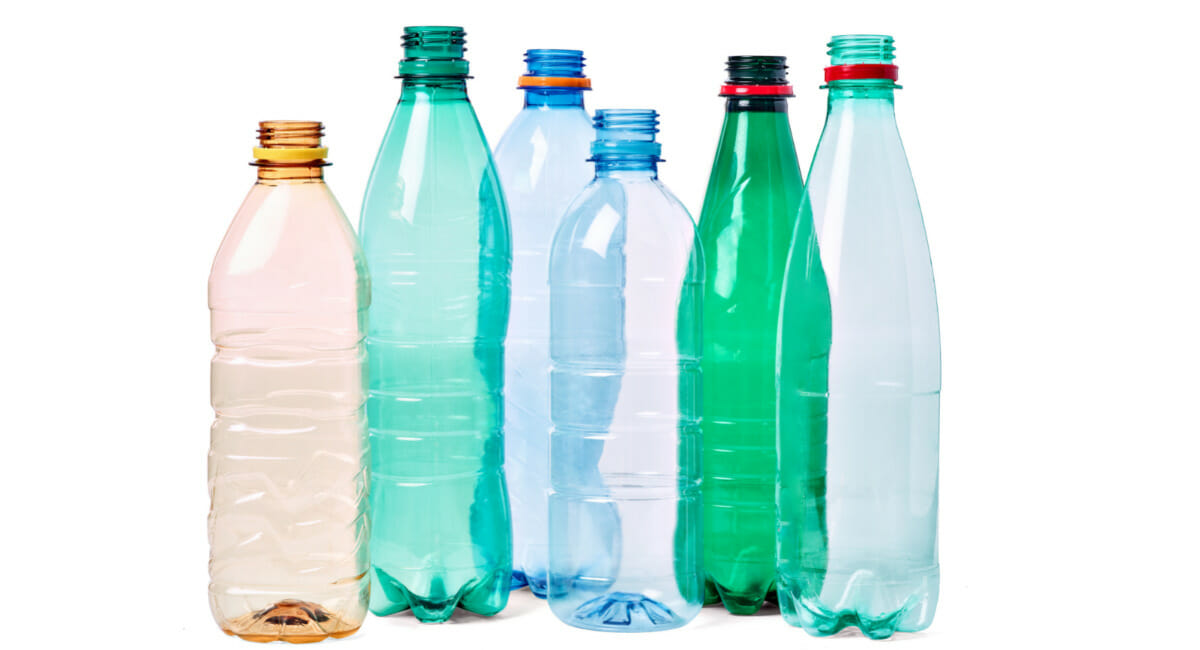
A lot of packaging is already made from bio-based plastics, for example in the cosmetics and cleaning products sector for shampoo or detergent bottles, but also in the food sector for drinks bottles or packaging for chocolate bars, coffee, muesli and teas. Materials such as PLA, bio-based PE or bio-based PET are mainly used here.
PLA is a key factor in the field of bio-based and biodegradable plastics. PLA has excellent barrier properties and is versatile, especially in the packaging sector. In addition, some companies are offering new high-performance PLA grades that can withstand very high temperatures. Permanent applications are suitable.
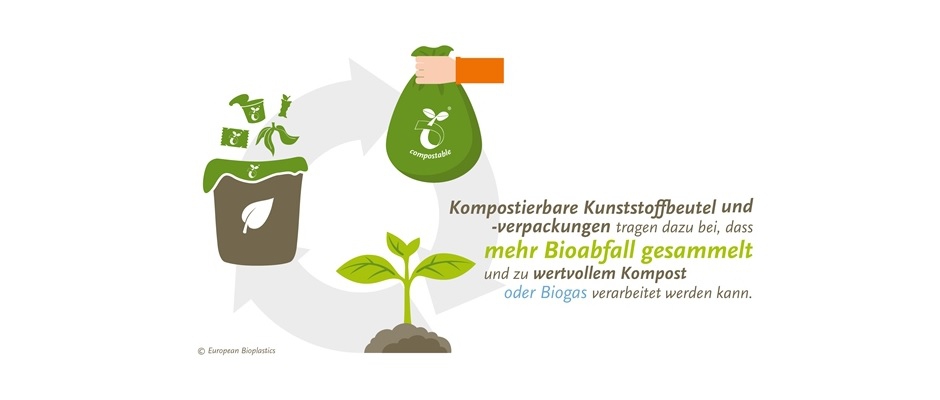
Biodegradable packaging is becoming increasingly popular, especially in the fresh food sector. Flexible packaging solutions made from PLA, PHA, PBAT, PBS and starch blends are particularly suitable for fresh foods such as fruit or vegetables, as they extend the shelf life of the products and thus reduce food waste. In addition, the use of compostable plastic packaging is a clear advantage if the packaging is mixed with spoilt food or food waste. Under these conditions, mechanical recycling of the packaging is not possible. The Compostable packaging can, however, be sent for organic recycling together with the food waste. On the one hand, this makes it possible to switch from energy recovery or even landfill to recycling, which is favoured in the EU waste hierarchy. On the other hand, the use of compostable packaging and organic waste bags helps to ensure that more organic waste is collected separately and processed into valuable compost or biogas.
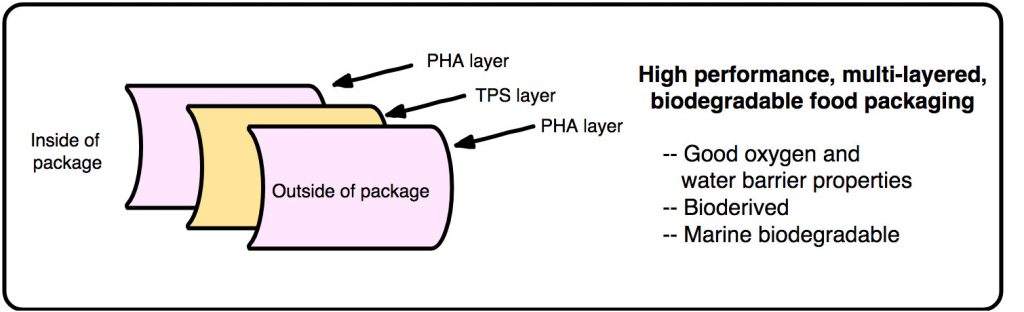
Multilayer film made of thermoplastic starch (TPS) and PHA with excellent barrier properties for use in food packaging. Image: School of Chemical Engineering, University of Queensland
Rethinking the packaging industry
There are many reasons for the increasing shift in the packaging industry towards bio-based and biodegradable packaging solutions. On the one hand, the demand for sustainable products and packaging is growing due to increased awareness of the impact of fossil raw materials on the environment and climate. The decisive advantage of bioplastics over conventional plastics lies in their potential to reduce dependence on finite fossil raw materials, as the switch from conventional plastics to bioplastics replaces fossil raw materials with renewable raw materials, thereby reducing greenhouse gas emissions. This not only protects the climate, but also the Resources.
On the other hand, more and more companies are looking for innovative ways to meet the ever-increasing demand for sustainable packaging solutions without having to compromise on properties and profitability. There is already an equivalent (or even better) alternative to almost every conventional plastic material and for almost every application of conventional plastics. Alternative made from bioplastics. Packaging made from bio-based plastics offers the same level of quality and technical properties as conventional packaging. For example, they keep food safely fresh, are heat-resistant and offer optimum barrier properties.
In recent years, the bioplastics industry has also invested heavily in the development of new, innovative materials with improved properties and greater functionality. Functional biodegradable coatings for example, offer a sustainable alternative to multi-layer composite packaging, as only one film is needed to protect fresh food and the amount of packaging material can be further reduced.
[infotext icon]Some of these latest developments will be presented on 28 and 29 November 2017 in Berlin at the 12th European Bioplastics Conference organised by European Bioplastics.
The Fraunhofer Institute for Silicate Research ISC will present new functional coatings for biodegradable packaging that have excellent barrier properties against water vapour, oxygen and aromas and are proven to be suitable for food.
The University of Queensland will also present the latest developments in the field of biodegradable multilayer packaging. The Australian research team is developing layered materials made from thermoplastic starch (TPS) and PHA for use in food packaging with high barrier properties. Studies on the life cycle assessment of the material promise excellent values for the reduction of greenhouse gas emissions.
Under the motto „Making the Difference“ the two-day conference will be dedicated to the contribution of the bioplastics industry to a more sustainable and resource-conserving plastics industry. It will focus on current political developments at EU level, material and product innovations, disposal and insights into the brand and consumer perspective.
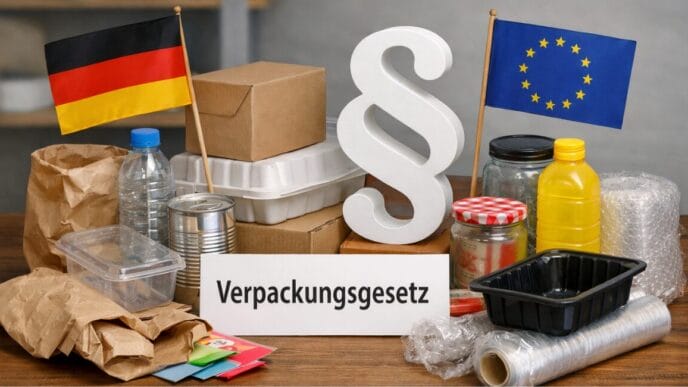
Last but not least EU regulationsThe German government's efforts to promote the market development of bioplastics, such as the reduction of plastic bags or the support of bio-based materials in packaging, are helping to boost the market development of bioplastics. The German law passed at the beginning of the year Packaging Act for example, explicitly supports the use of recycled material or material from renewable raw materials for the production of packaging. This is an important signal for the bioplastics industry because, for the first time, bio-based and recycled materials are recognised as equal solutions for more sustainable packaging and reducing our dependence on fossil resources. France also passed a law for green growth and the energy transition in 2016, stipulating that certain plastic applications, including thin carrier bags in supermarkets, fruit and vegetable bags, packaging for direct mail and disposable tableware, must be bio-based and home compostable.
These decisions represent an important opportunity for the European bioplastics industry, which has invested heavily in the development of innovative materials in recent decades and has made suitable bio-based and biodegradable materials available for products such as food packaging, bags and disposable tableware. The European Commission's commitment to shifting from a linear economic model to a Circular economy will also contribute to a further increase in demand for sustainable solutions made from bioplastics in the packaging sector and beyond in the coming years.