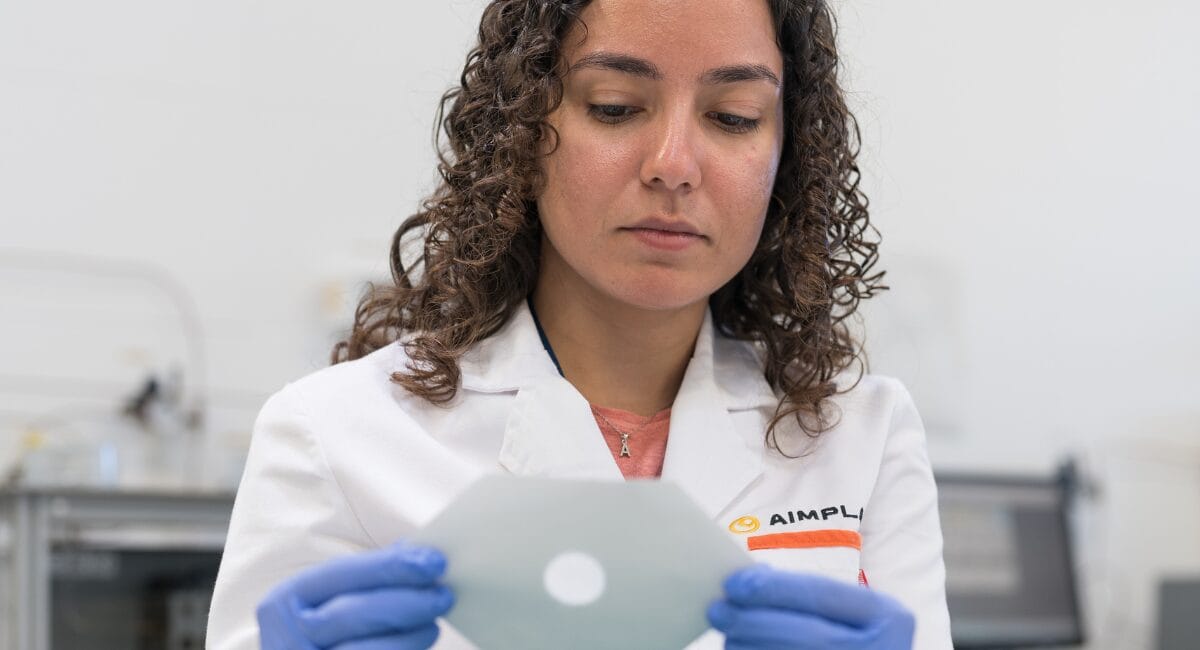

The BIOPROCESS project, funded by IVACE+i and the EU and led by AIMPLAS, is investigating how the mechanical and barrier properties of bioplastics can be improved. The aim is to produce high-performance, biodegradable packaging films for various branches of industry.
The use of bioplastics as a sustainable alternative to conventional, non-degradable plastics from fossil sources is becoming increasingly important in the packaging industry. However, further research is needed to ensure sufficient product quality and durability.
As part of the BIOPROCESS project, the plastics technology centre AIMPLAS is pursuing the goal of optimising the mechanical and barrier properties of bioplastics. The aim is to produce flexible high-performance packaging for sectors such as food, cosmetics, personal care, cleaning agents and detergents. The companies involved in the project are Potato Bioplastics, a manufacturer of bio-based plastics, and Gaviplas, which specialises in the production of flexible films.

According to AIMPLAS researcher Alicia Naderpour, BIOPROCESS uses a one-step manufacturing approach with natural polymers. This enables more efficient and sustainable processing without compromising the biological properties of the material. The aim is to align the polymer chains in such a way that the films are suitable for packaging purposes without losing their degradability.
By-products from algae, maize or potato processing
The project also tested machine direction orientation (MDO) extrusion with commercial bioplastics. AIMPLAS also developed new formulations based on natural polymers such as polysaccharides and proteins from plant and animal sources, including by-products from algae, maize and potato processing. Due to their availability and low cost, these materials offer great potential for sustainable packaging solutions, as the saying goes.
Rosa González, Head of the Packaging Cluster at AIMPLAS, emphasises that chemically unmodified natural polymers are increasingly being considered for packaging that is banned under the EU Single-Use Plastics Directive. However, these materials must be compatible with common production technologies such as extrusion and at the same time fulfil the requirements for product durability.
The BIOPROCESS project is part of the IVACE+i 2024 funding line for R&D projects in collaboration between technology centres and companies in the Valencia region. It is co-financed by the European Regional Development Fund (ERDF) as part of the 2021-2027 Operational Programme.
Source: AIMPLAS