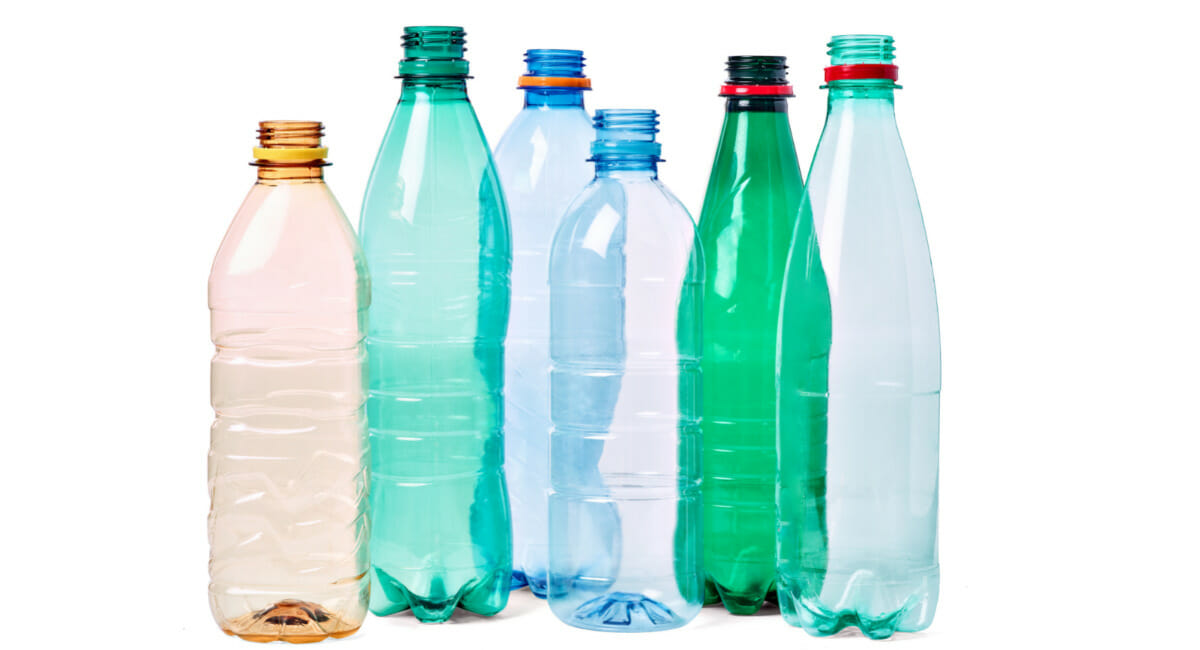
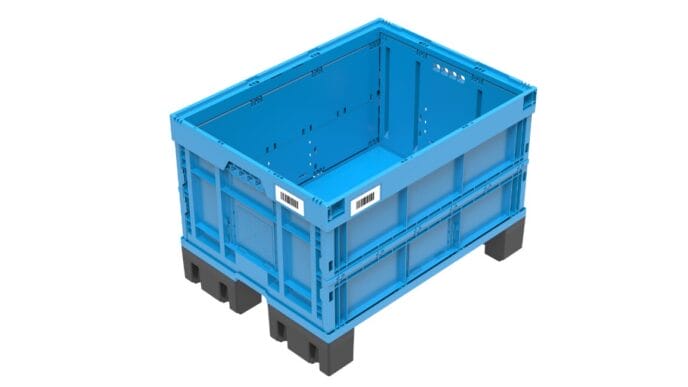
On today's Earth Overshoot Day, recycling specialist Alba is calling for the circular economy to be strengthened, including through uniform industry standards and a statutory minimum quota for the use of recyclates.
We are living well beyond our means: According to calculations by the Global Footprint Network, today, 29 July, the world's population all natural resources for this year.
„Earth Overshoot Day should shake us all up. In order to preserve the basis of life for future generations, a change of course is absolutely necessary - away from the current linear economy and towards a circular economy that conserves natural resources and protects the climate.“ Dr Axel Schweitzer, CEO of the Alba Group.
The technical prerequisites and expertise for closing raw material cycles are available at a high level in Germany. „In view of the dwindling primary resources, we need to realise the idea of sustainability. must be included in all production steps, starting with ‚design for recycling‘. And we need to increase both the use of recyclates and the demand for products that use recyclates.

This is where politics comes in: We need Uniform industry standards and a statutory minimum quota for the use of recyclates. This is the only way we can utilise the full potential of recycling.“
It is also important to raise the awareness of those responsible in the manufacturing industry for the Use of recycled materials to sharpen its focus. The use of recycled raw materials offers clear advantages - from both an ecological and economic perspective. Take plastic recyclates, for example: they offer companies a practicable answer to the ever-increasing demands of efficient raw materials management and an ambitious sustainability balance.
The extent to which the use of plastic recyclates reduces the burden on our planet is demonstrated by a recent study by the Fraunhofer Institute Prudence on behalf of the Alba Group subsidiary Interseroh Dienstleistungs GmbH: According to this study, the use of the Interseroh produced from recycled plastic Procyclen compared to primary plastics made from crude oil, an average of 1,002 kg of greenhouse gases per tonne. These are 56 per cent fewer climate-damaging emissions. At the same time, the consumption of primary energy per tonne is reduced by an average of 21,199 kWh - the equivalent of 14,133 wash loads. In the case of the recycled plastic Recythen, the savings even amount to 1,100 kg of greenhouse gases and 22,254 kWh of primary energy per tonne.
SourceAlba Group