The global packaging manufacturer Alpla is reporting on its sustainability activities online for the first time. The Austrian company has published its latest sustainability report, now in its third year, on the internet. In it, the family-owned company reports on the progress made in sustainable development between 2016 and 2018.
Particularly emphasises Alpla in the communication on the Sustainability report The report emphasises that energy consumption and fresh water consumption have been reduced. In relation to production volume, energy consumption fell by 6.6 per cent. In relation to the use of materials, the consumption of fresh water was even reduced by 40 per cent. The targets for the use of Recycled material, Alpla reports further.
CO2 footprint remains larger than hoped for
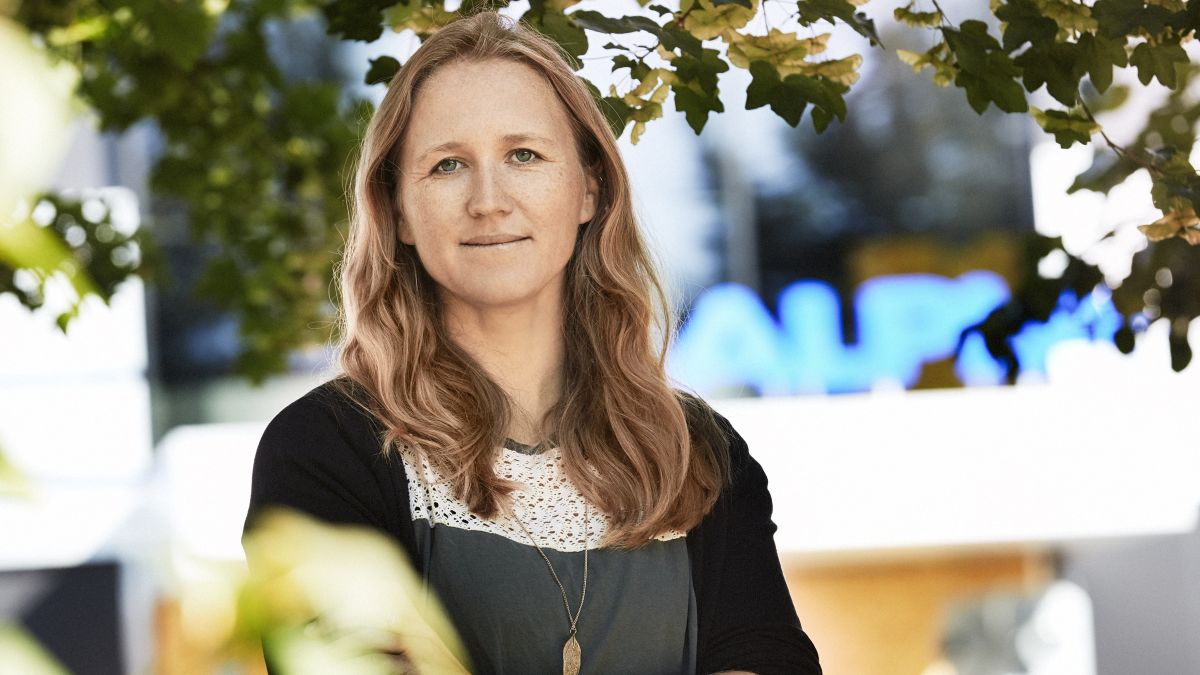
In addition, the growth in the CO2-footprint of the Group, which is headquartered in Hard, Austria, has been downsized. The reason for this is explained by Sustainability Officer Linda Mauksch: „We are active in countries with CO2-intensive electricity production than planned.“ Nevertheless, in the coming years up to 2022, the absolute CO2-footprint by ten per cent, although the company anticipates annual growth of three per cent.

To Resources Alpla is also optimising its corporate structure in order to save costs. According to the company, it now operates over 178 plants in 46 countries. 72 of these are located „in-house“ directly at the customers. This saves transport routes and emissions. In addition, many plants, for example in India, Brazil and Portugal, have individualised Sustainability projects defined.
Three product innovations per year
Alpla has established itself in the Product development has set itself the goal of launching at least three sustainability innovations in the near future by 2022. The company is already pointing to several Lighthouse projectsfrom bottles made from 100 per cent recyclate via the Home compostable coffee capsule up to „The Simple One“, a bottle that is up to 60 per cent lighter than standard bottles. HDPE bottle.
In principle, Alpla has committed itself to the „Global Commitment“ of the „New Plastics Economy“ commitment. This means that all products should be recyclable by 2025. The Recycled content, measured in terms of material usage, is to be increased to 25 per cent by then. In addition, 50 million euros will be invested in the expansion of recycling activities.
Last year, the three PET recycling plants, which Alpla operates in Mexico, Austria and Poland. A corresponding co-operation project was launched in Wolfen, Germany. The four sites supply 70,000 tonnes of food-grade PET recyclate per year, writes Alpla.
[infotext icon]Here you can find the Alpla sustainability report
You can find Alpla's sustainability report on the Company homepage. The report has been prepared in accordance with the Sustainability Reporting Standards and the Global Reporting Initiative (GRI). Printed abridged versions are available in German, English and Spanish.
[/infotext]