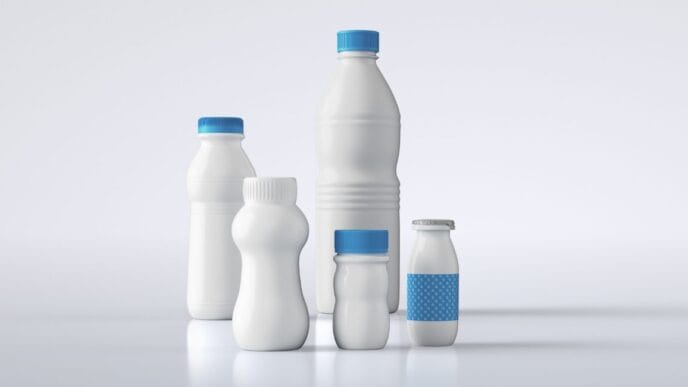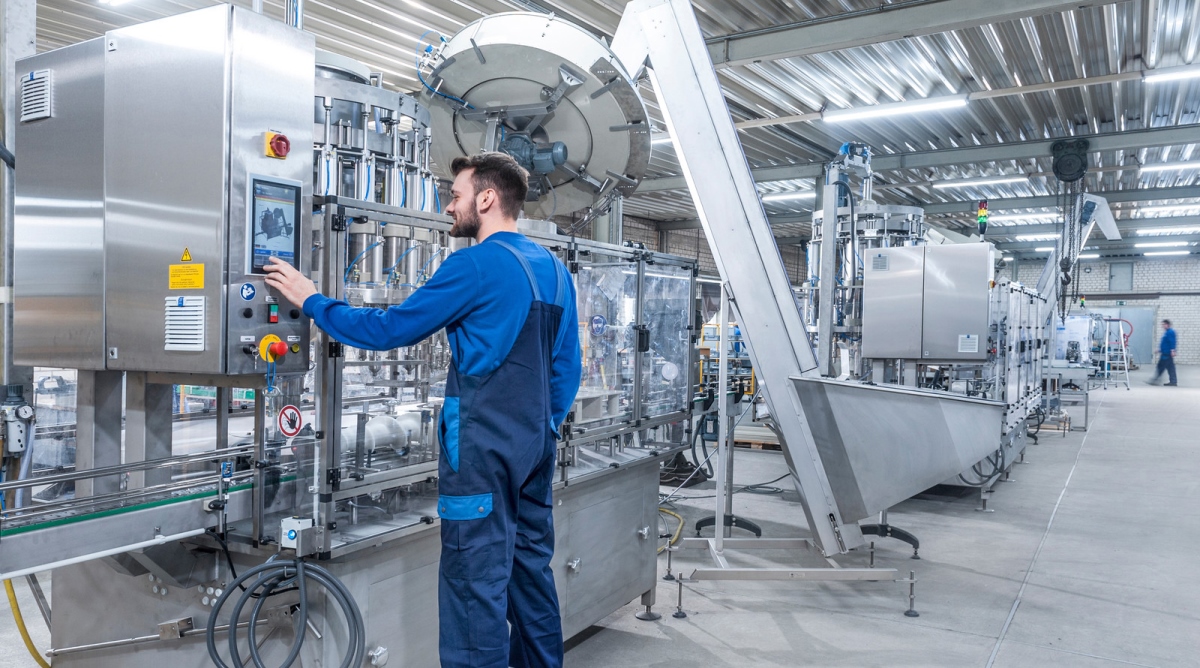
If you take a look at the stocked shelves in the supermarket, health food store or petrol station, you will discover many different liquids or pastes in various containers, which are sealed with a wide variety of lids. Very few shoppers think about how the products get into the containers and how they are sealed. However, Alwin Wieferig from Dinklage thought about this very early on and gained experience with it throughout his life.
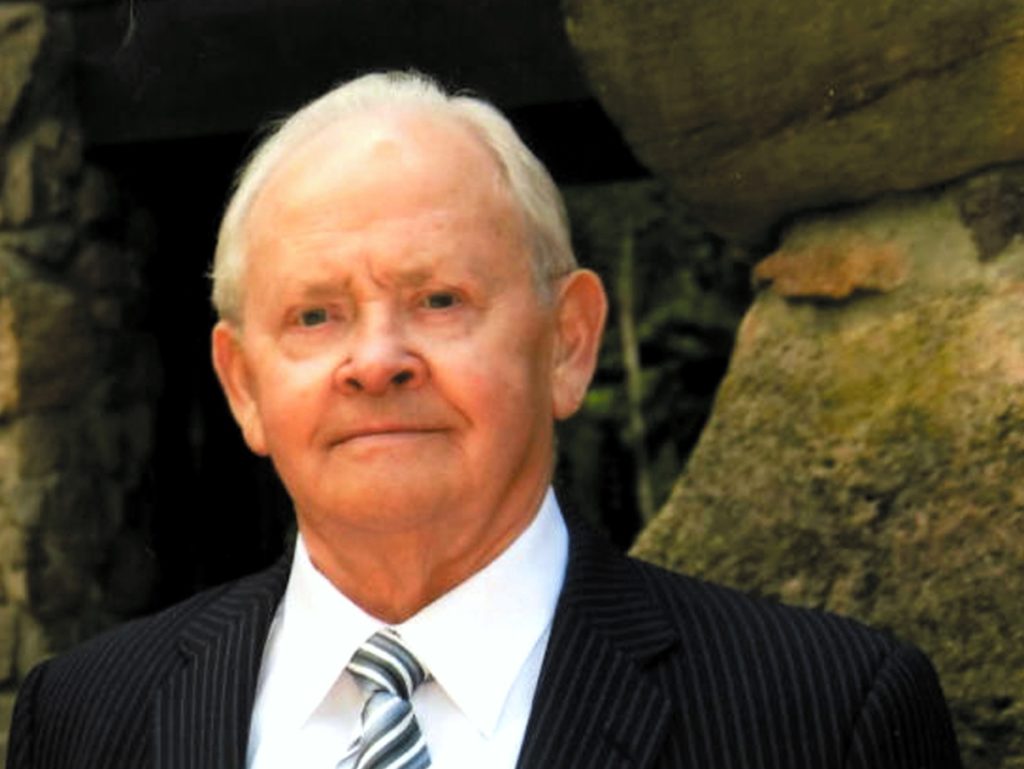
As Alwin Wieferig When he set up his own mechanical engineering business under his own name in Dinklage, between Bremen and Osnabrück, in 1964, he would probably never have imagined that his company would be proud of its long history. 55-year history can look back on. As an employee of a closure manufacturer, he had already worked with closures before taking this step. He quickly recognised the need and the great opportunity for growing automation in the filling sector.
As a master craftsman in mechanical engineering, he developed the first own technical Filling and capping solutions, which met with great interest. Spirits, cooking oils, shampoos, lotions, motor oils, cleaning agents, antifreeze, honey, spices and many other products were literally waiting to be discovered.

Clever brand presence
After the first machines went into operation, Alwin Wieferig developed the company name ALWID, which is derived from the initials ALwin WIeferig Ding the company name. A particular advantage of the choice of name was that the name occupied a top position in the manufacturer directories, which were almost always organised alphabetically at the time. In today's world, where search engines are indispensable, this consideration would probably never have been made. However, further enquiries and orders followed precisely on this basis.
The forward-thinking founder also developed the concise „Cogwheel logo“, which had a very high recognition value and is still used today as the official logo of ALWID GmbH. It was registered as a trade mark with the German Patent Office in 1974.
The company is growing
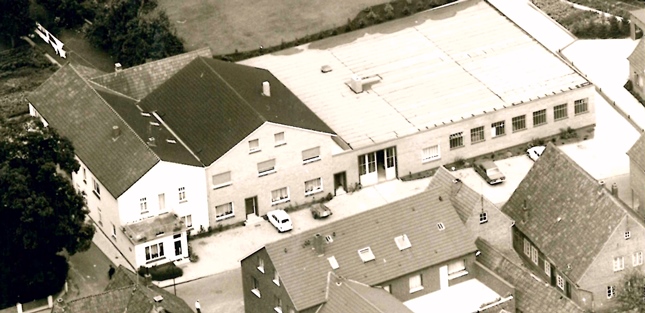
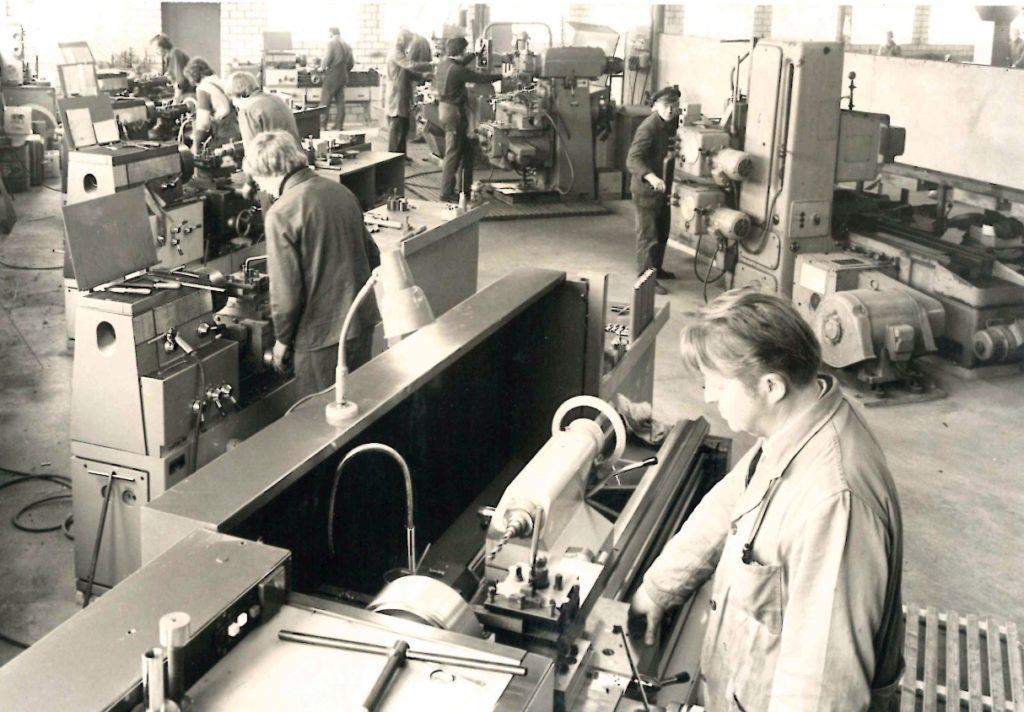
The first machines were developed and built in a small hall right next to the family home, which was repeatedly extended in various construction phases. At the beginning of the 1980s, a new building became necessary: firstly, the hall was bursting at the seams, and secondly, the location in the centre of Dinklage was increasingly becoming a logistical problem. In 1982, the current Wild Pool„ location“ moved into a new building, which was extended in 1989 to include a further hall and office building.
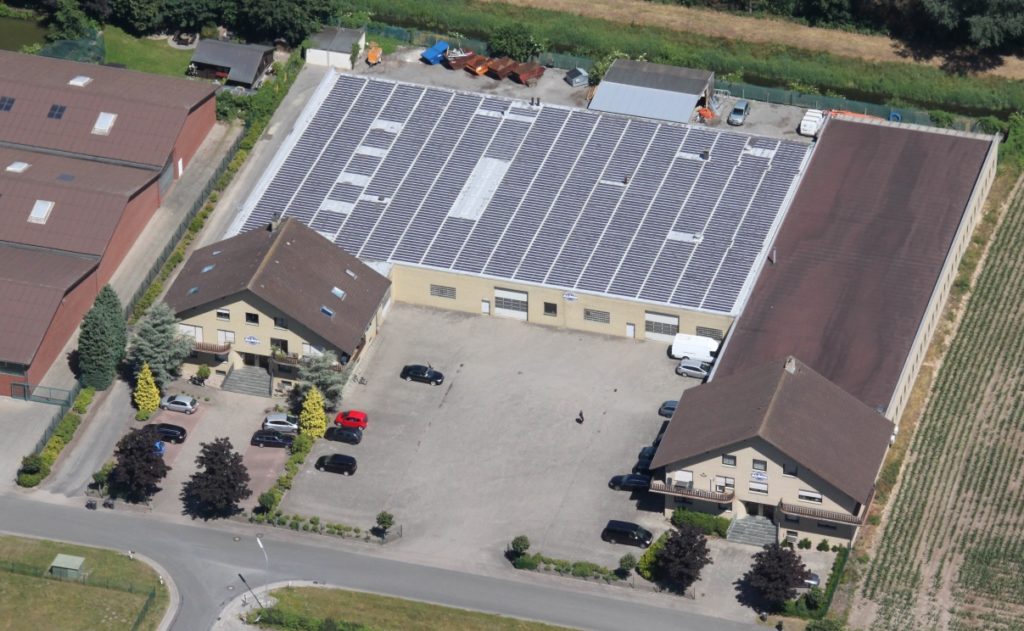
From the very beginning, the company has shown foresight by not turning a blind eye to technical progress, but combining state-of-the-art technology with a great deal of craftsmanship in its machines. The speciality also lies in the Bandwidth, that hardly any other company can match.
From the very beginning, the focus was Young skilled labour set. On average, three graduates per year were trained as precision mechanics, mechatronics engineers, technical product designers and industrial clerks. Back in 1984, Alwin Wieferig was presented with a certificate of honour for special training achievements by the then Federal President Karl Carstens.
[infotext icon]CHRONICLE
1964 - Founded by Alwin Wieferig, location „Lange Straße“ in Dinklage
1974 - Registration of the ALWID trademark
1982 - Relocation of the production site to the street „Wilder Pool“ in Dinklage
1989 - Expansion of the site with an additional hall and office building
2014 - „50 years of ALWID“ anniversary with 53 employees
2015 - Delivery of a machine to the 60th country worldwide
2018 - Commissioning of the first 5-axis machining centre
2019 - 75 employees work at the site
2020/2021 - Relocation to the newly built production hall with administration building[/infotext]
Flexible filling process
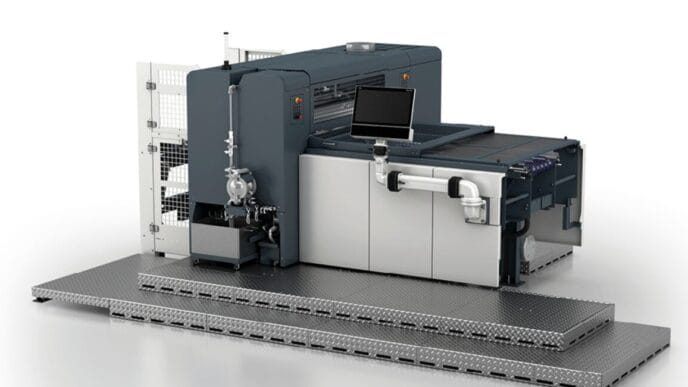
The company's filling machines work with a wide variety of filling methods so that the desired goal can always be achieved: a constant fill level in the bottles, a constant volume or a constant weight. In addition to classic vacuum fillers and piston fillers, inductive flow meters, mass flow meters, dosing pumps and weighing technology are also used.
Thanks to a servo-controlled filling valve stroke movement and cleverly designed filling valves, even highly foaming products can be processed with ALWID machines. Even the filling of highly flammable products is possible with the company's Atex solutions.
Many components have changed over the years: Today, there are faster changeover times thanks to the tool-free format changeover and more flexible options in filling thanks to the use of servo drives, which also results in lower compressed air consumption. In addition, more precise filling dosages are possible and certificates are available for all components that come into contact with the product to ensure suitability for filling the respective products.
Secure locking
Secure capping takes place immediately after the filling process. Whether roll-on, screw-on, press-in or capping, ALWID machines can process a wide variety of screw caps, PP caps, roll-on caps, press-in and press-on caps, twist-off caps, crown corks, grip corks, trigger and pump caps.
By integrating additional components, the company also plans and realises Complete packaging lines. However, the portfolio also includes small applications for low outputs, where the container is set up and removed by hand.
Today, torques can be determined and controlled more precisely by using servo and magnetic technology. This minimises wear compared to mechanical solutions. New closure types and new requirements for the closures have been added, for which a solution has been developed. This means that the closures can be better aligned and positioned, and the safety technology for semi-automatic and fully automatic machines has been improved.
International business
Over the course of its 55-year history, ALWID machines have made a name for themselves in the food, chemical and petrochemical, cosmetics and pharmaceutical industries. The special challenges include the customer's space conditions as well as the special features of the products (e.g. particularly aggressive, abrasive or highly foaming), cap sorting, feeding and alignment, tolerances within the containers, challenging container contours and shapes as well as different requirements for the connection to existing machines.
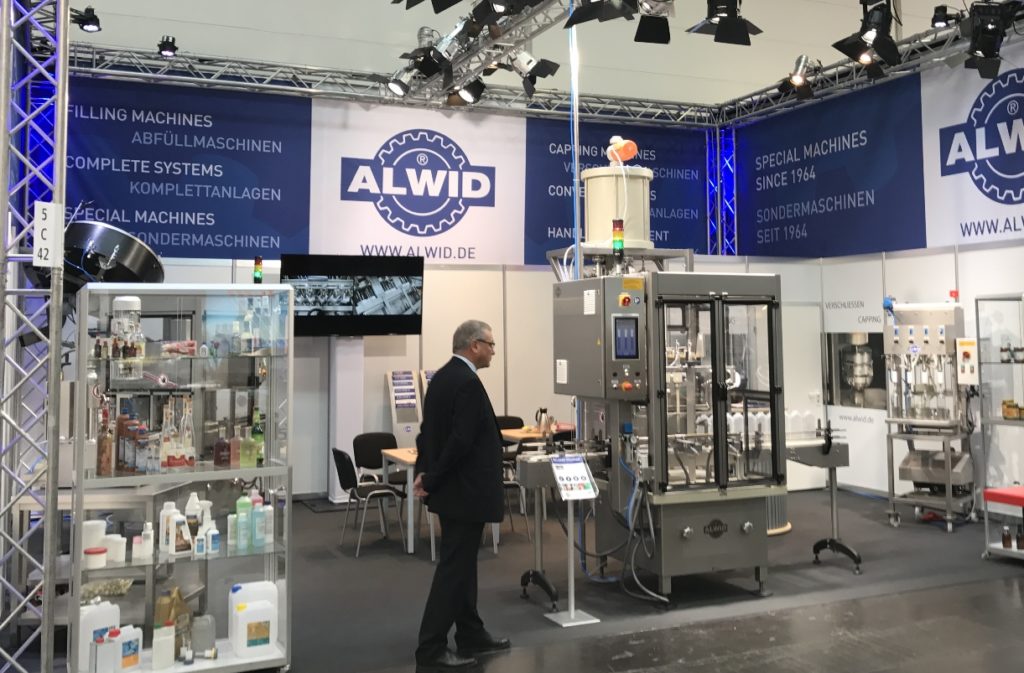
By participating in national and international trade fairs, including the interpack in Düsseldorf, the export share has also continued to grow since the 1970s. In 2015, the company exported to the 60th country in the world, and the figure is now even higher, with even countries such as Mongolia relying on technology from Dinklage. However, the company has never forgotten its roots in craftsmanship. Thanks to a high level of vertical integration, many individual parts and assemblies can be produced in-house.
The family tradition lives on
ALWID was and is a family-run company. Aloys Wieferig, the eldest son of the founder, has worked for the company since 1989, including as Managing Director from 1996 to 2014. Jürgen Wieferig, the youngest son, has been with the company since 1999. He has been one of the managing directors since 2009. He is supported by Alexander Haskamp, who has been a further Managing Director of ALWID GmbH since 2018. As the grandson of Alwin Wieferig, he held the third generation Moving into the family business.
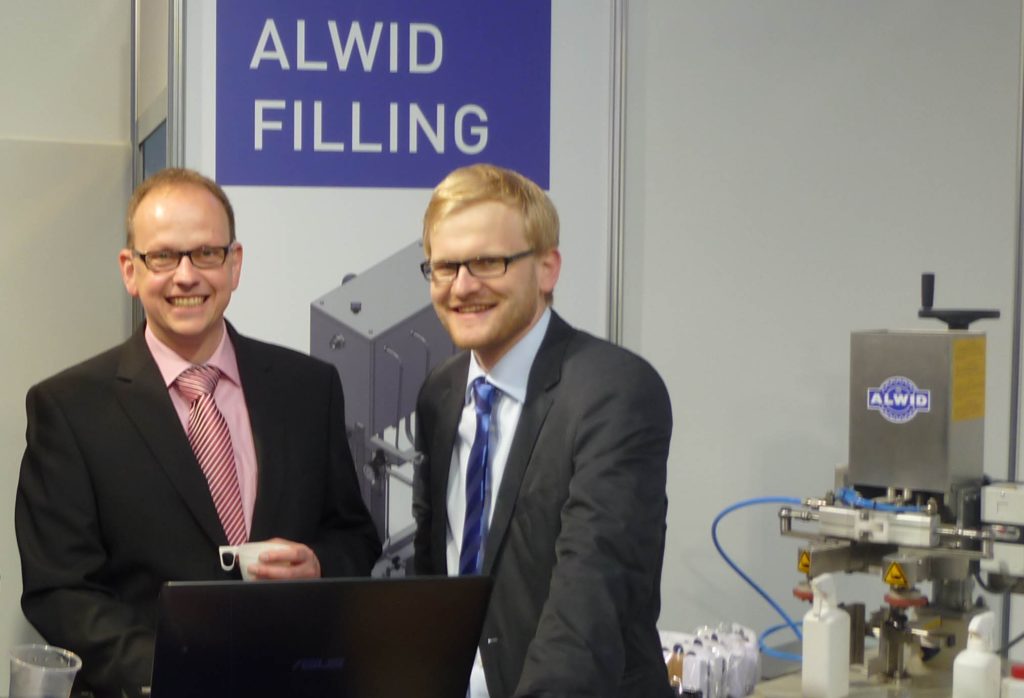
Healthy growth
The company has grown considerably since its foundation. After starting out as a one-man operation, around 50 employees were already working at the site by the 50th anniversary in 2014. Unfortunately, Alwin Wieferig was no longer able to experience the big anniversary celebrations himself. He passed away on 1 April of the same year. What remains is his outstanding life's work, which will be continued in his spirit.
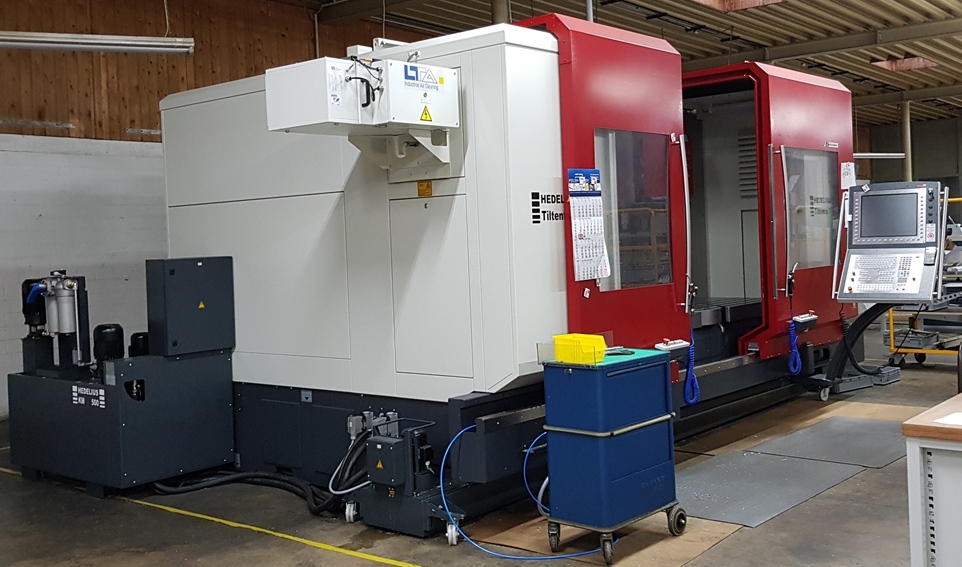
The company currently employs around 75 people. It is therefore only logical and consistent that further investments have been and will be necessary. At the beginning of 2018, the company invested in a fully automated 5-axis machining centre invested. This enables precise production in a continuous machining process, where previously the workpieces had to be distributed across several machines and tools. The tool change is fully automatic. In addition, highly complex individual parts can now be manufactured in-house, which previously had to be sourced from specialised suppliers.
However, the company's biggest investment is yet to come: the complete relocation to a new building is planned for 2020/2021. New and modern production hall with administration building is planned, another milestone in the company's history.
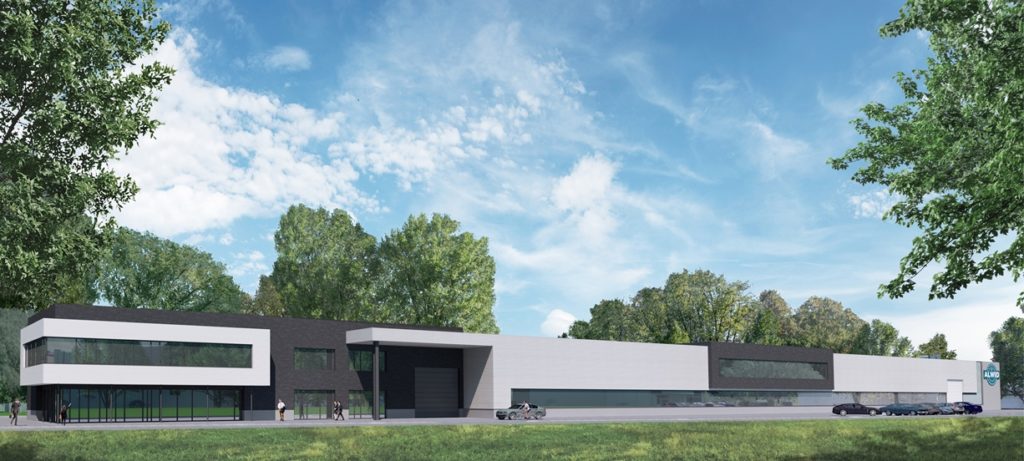
It goes on
The development of machines is progressing continuously. The focus is increasingly shifting to aspects such as Data analysis, energy consumption or even Security technologies. For example, machines must be able to be maintained remotely, collect production data, fulfil increasing safety and hygiene requirements and be increasingly intuitive to operate.
„By using state-of-the-art servo and robot technology, we will further optimise the valued quality of our machines. The rapid development of this technology will soon make it possible to economically integrate robotics into the filling and capping process. We look forward to driving this development forward together with our employees and business partners as an artisan family business,“ said Jürgen Wieferig and Alexander Haskamp a joint outlook for the future.